




What's Happening?
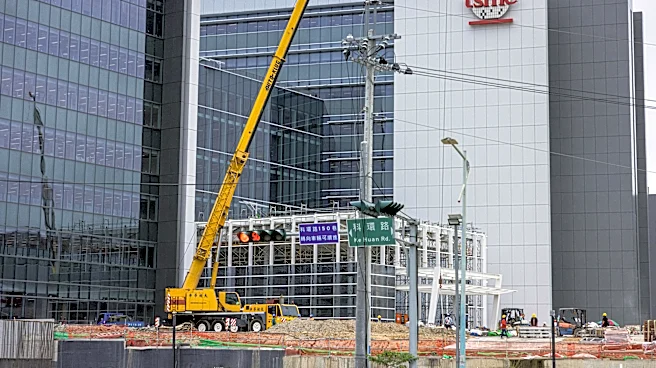
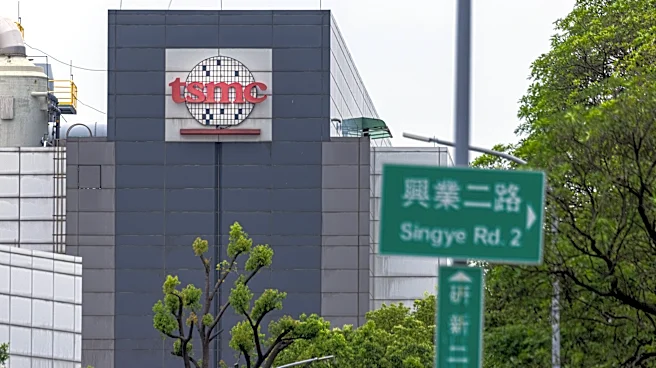
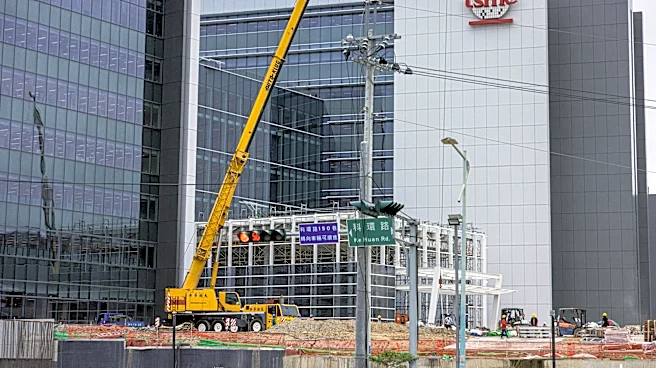
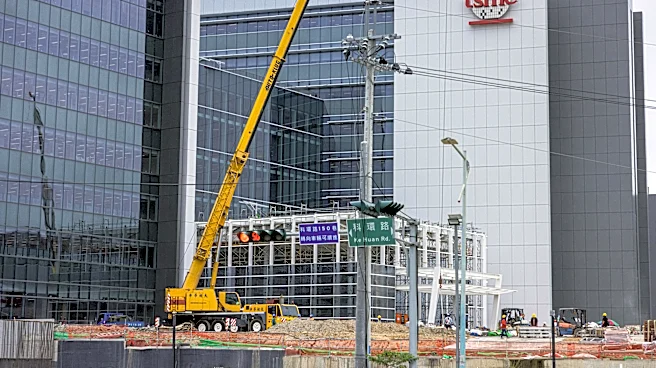
Taiwan Semiconductor Manufacturing Company (TSMC) is seeking two tax abatements to proceed with its proposed $22.6 billion fabrication plant in Brazos County, Texas. The project's approval is now dependent on these incentives, with College Station ISD
scheduled to hold a hearing on December 10 regarding one of the abatements. This development highlights a trend where incentive terms are increasingly dictating the location of large industrial sites, even over traditional factors like land availability or labor costs. The Business Journal reported that the plan is entirely contingent on both tax breaks being secured. This situation also puts additional pressure on Samsung's existing chip manufacturing operations in Texas, as reported by Chosunbiz.
Why It's Important?
This situation underscores a significant shift in how major industrial investments are secured in the U.S., particularly in the semiconductor sector. The reliance on substantial tax abatements means that local and state governments are playing a crucial role in attracting high-value manufacturing, potentially leading to increased competition among regions to offer the most attractive incentive packages. For Texas, securing this TSMC fab would represent a massive economic boost, creating jobs and solidifying its position as a hub for advanced manufacturing. However, it also raises questions about the long-term financial implications for local communities that grant these abatements. The increased pressure on Samsung suggests a growing competitive landscape within the U.S. semiconductor industry, driven by both foreign investment and government incentives aimed at bolstering domestic chip production.
What's Next?
The immediate next step is the College Station ISD hearing on December 10, where one of the crucial tax abatements for TSMC's project will be discussed. The outcome of this hearing, along with the decision on the second abatement, will determine the future of the $22.6 billion fab. If the abatements are approved, TSMC is expected to move forward with its investment, leading to significant construction and job creation in Brazos County. Conversely, a denial could lead TSMC to reconsider its plans for the Texas site. This situation may also prompt other regions vying for similar large-scale industrial projects to re-evaluate their incentive strategies, potentially leading to a more aggressive pursuit of tax breaks to attract major corporations.
Beyond the Headlines
The reliance on tax abatements for such a substantial investment raises broader questions about economic development strategies and corporate responsibility. While incentives can attract significant capital and create jobs, they can also strain local public services if the long-term benefits do not outweigh the foregone tax revenue. This trend could lead to a 'race to the bottom' among states and localities, where the most generous incentive packages win, potentially at the expense of public funding for education, infrastructure, and other essential services. Furthermore, the increasing influence of incentives over site selection suggests a need for greater transparency and public discourse regarding the true costs and benefits of such deals, ensuring that the interests of both corporations and communities are adequately served.