



What's Happening?
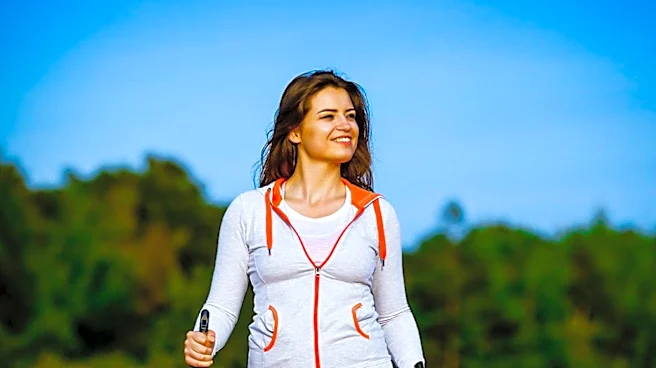
Active recovery involves engaging in low-intensity physical activities such as walking, light cycling, swimming, or yoga. These activities are performed at approximately 30 to 40% of maximum effort, allowing for continuous conversation. The primary goal
of active recovery is to promote blood flow and facilitate muscle recovery without imposing excessive strain on the body. This approach is particularly beneficial for individuals experiencing muscle soreness but who still have sufficient energy. By increasing blood circulation, active recovery helps to clear metabolic waste products from the muscles more efficiently than complete rest. While active recovery is effective for easing soreness, a full rest day is recommended when an individual is genuinely fatigued, stressed, sick, or injured. The distinction between active recovery and a rest day is crucial: active recovery incorporates gentle movement, whereas a rest day involves no structured training, allowing the body to focus solely on repair.
Why It's Important?
The understanding and implementation of active recovery versus complete rest have significant implications for athletes, fitness enthusiasts, and the general public in the U.S. By optimizing recovery strategies, individuals can enhance their training consistency, reduce the incidence of overtraining, and improve overall physical well-being. For industries related to fitness, sports, and healthcare, this distinction informs product development, training programs, and rehabilitation protocols. For instance, fitness centers and personal trainers can design more effective recovery plans, while sports medicine practitioners can better advise patients on post-exercise care. The emphasis on gentle movement for soreness, as opposed to complete inactivity, can lead to faster return to activity and improved performance, benefiting competitive athletes and those seeking to maintain an active lifestyle. Conversely, misinterpreting active recovery as an opportunity for another strenuous workout can lead to injury and burnout, highlighting the importance of proper education on these concepts.
What's Next?
As awareness of optimal recovery strategies grows, there is likely to be an increased focus on personalized recovery plans within the U.S. fitness and wellness sectors. This could lead to the development of more sophisticated wearable technology that monitors recovery metrics and provides tailored active recovery suggestions. Educational initiatives from health organizations and fitness professionals will continue to clarify the benefits and appropriate application of active recovery, helping individuals make informed decisions about their post-exercise routines. Furthermore, research into the physiological mechanisms of active recovery will likely expand, potentially leading to new techniques or modalities that further enhance muscle repair and reduce soreness. The integration of active recovery principles into corporate wellness programs could also see an uptick, as companies recognize the benefits of supporting employee physical health and reducing recovery-related downtime.
Beyond the Headlines
The nuanced approach to recovery, distinguishing between active recovery and complete rest, reflects a broader shift in understanding human physiology and performance. This paradigm moves beyond the traditional 'no pain, no gain' mentality, recognizing that recovery is an integral part of the training process, not merely an absence of activity. Ethically, this promotes a healthier relationship with exercise, encouraging individuals to listen to their bodies and prioritize well-being over relentless exertion. Culturally, it challenges the notion that rest is a sign of weakness, instead framing it as a strategic component of strength and resilience. The long-term implications include a potential reduction in chronic injuries associated with overtraining and an increase in sustainable, lifelong physical activity. This shift also underscores the importance of interdisciplinary approaches, combining insights from exercise science, nutrition, and psychology to foster holistic health practices.