






What's Happening?
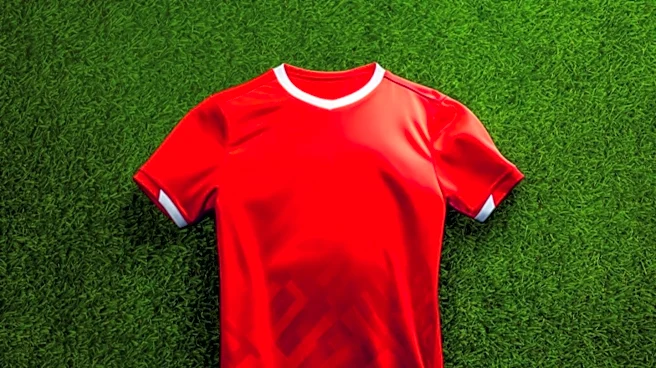
AI-generated logos and designs, while visually complex and appealing on screen, present significant challenges when translated into physical labels for apparel and soft goods. The primary difficulty lies in replicating features like gradients, depth,
gloss, and texture using traditional manufacturing materials. AI images are often pixel-based and lack the defined colors and outlines required for production. Manufacturers frequently need to redraw these designs. To overcome these limitations, a 'mixed-material approach' is becoming essential, where different parts of an AI-generated artwork are assigned to materials that best reproduce their specific characteristics, such as printed TPU for gradients or silicone for raised elements. This method ensures that the intricate details of AI designs can be realized in physical form, even for small production runs.
Why It's Important?
This issue highlights a critical gap between digital design capabilities and physical manufacturing realities within the U.S. fashion and soft goods industries. While AI tools offer unprecedented creative freedom, the practicalities of production, especially for small businesses or custom orders, remain complex. This necessitates a collaborative approach between designers and manufacturers, emphasizing material science and production techniques. For consumers, this means that the innovative designs seen digitally can indeed become tangible products, but at a potential cost in terms of development time and specialized manufacturing. For businesses, understanding these limitations and adopting mixed-material strategies is crucial for bringing AI-driven designs to market effectively and efficiently.
What's Next?
The industry will likely see continued innovation in material science and manufacturing processes to better accommodate complex AI-generated designs. There will be an increased demand for manufacturers capable of handling mixed-material applications and offering specialized services for translating digital artwork into production-ready files. Designers will need to become more aware of material properties and manufacturing constraints during the initial AI design phase to streamline the production process. Furthermore, the development of more sophisticated AI tools that can account for physical material properties during the design stage could emerge, bridging the gap between digital creation and physical realization. This will also drive the need for standardized testing of mixed-material labels on various fabrics to ensure durability and quality.
Beyond the Headlines
The challenges of translating AI-generated designs into physical products underscore a broader theme in the digital age: the interaction between virtual creativity and physical reality. While AI can conjure limitless visual possibilities, the constraints of the physical world, such as material properties and manufacturing processes, still dictate what can be produced. This dynamic highlights the enduring value of craftsmanship and material expertise in an increasingly digital design landscape. It also raises questions about sustainability, as complex mixed-material products might have different recycling or disposal implications. The need for human intervention to 'redraw' AI designs for production also suggests that human interpretation and technical skill remain indispensable, even as AI tools become more advanced.