




What's Happening?
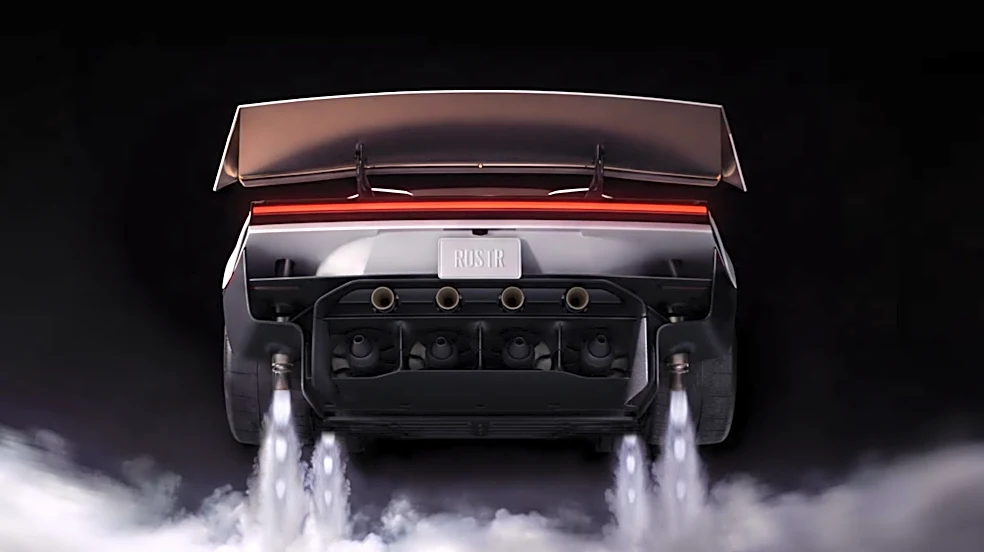
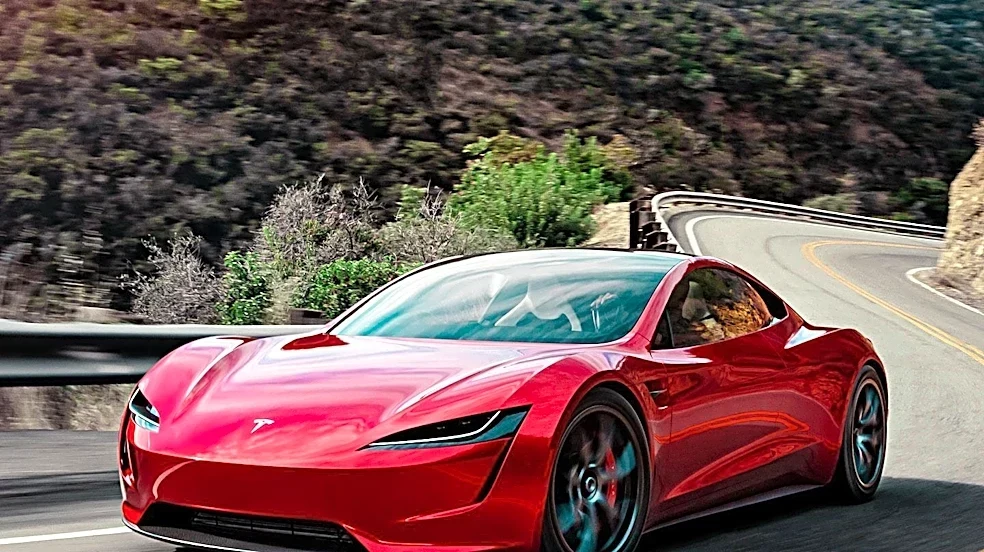
Tesla's recent demonstration of its next-generation Roadster on October 15, 2026, at a SpaceX test facility in McGregor, Texas, showcased a car performing a brief aerial maneuver using air-jet thrusters. Central to this propulsion system are two carbon-fiber
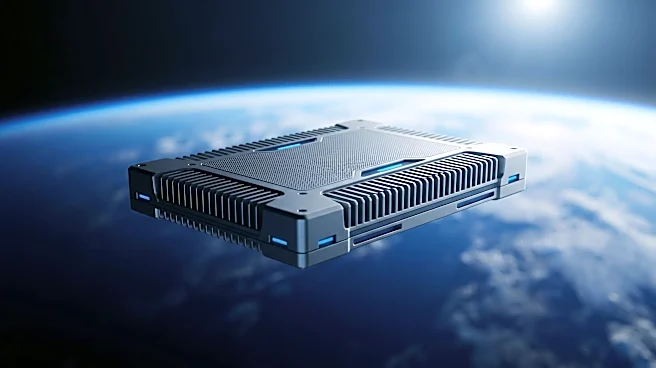
pressure tanks designed to hold approximately 250 kilograms of compressed air. While Tesla has not publicly confirmed the exact pressure rating, engineering estimates, derived from the disclosed figures of 600 liters of combined tank volume and 250 kilograms of air, suggest an average fill density around 417 kilograms per cubic meter, implying a pressure of approximately 440 bar (6,400 psi). This pressure significantly exceeds that of typical paintball cylinders (207-310 bar) and firefighting SCBA tanks (around 310 bar), placing it closer to specialized high-pressure industrial gas-storage hardware. The tanks are Composite Overwrapped Pressure Vessels (COPVs), a technology conceptually borrowed from SpaceX rocket hardware, which has a history of a 2016 tank failure that grounded a Falcon 9 for months.
Why It's Important?
The estimated 440-bar pressure in the Tesla Roadster's air tanks presents significant engineering and regulatory challenges for a mass-production vehicle. The use of COPVs, derived from aerospace applications, introduces concerns about their long-term durability and safety in a consumer automotive context. Unlike rocket components that undergo infrequent use and rigorous pre-flight inspections, automotive tanks must withstand years of road vibrations, extreme temperature fluctuations, impacts, and repeated pressure cycling from refilling. This demands a different level of fatigue performance and certification. The lack of a direct regulatory framework for such a novel cold-gas propulsion system in a passenger vehicle means Tesla will likely need to navigate a complex certification pathway, potentially blending existing Department of Transportation (DOT) pressure-vessel rules, ISO standards, and new automotive crash-safety requirements. This development could influence future automotive safety standards and the integration of aerospace technology into consumer products, impacting both Tesla's production timeline and the broader automotive industry's approach to advanced propulsion systems.
What's Next?
Tesla is expected to face increasing pressure from automotive safety regulators and independent engineers to publicly disclose critical specifications of the Roadster's air tanks, including the actual pressure rating, liner material, and burst ratio, well in advance of its stated 2028 production target. The history of SpaceX's 2016 Amos-6 COPV failure will likely remain a recurring point of discussion in any new propulsion details released by Tesla, necessitating transparent communication regarding safety measures and design improvements. A dedicated certification pathway will need to be established, potentially requiring negotiations with regulatory bodies to create a new framework that addresses the unique aspects of this technology, as existing standards do not fully cover this application. Furthermore, the engineering challenges associated with the onboard or external compressor system required to refill the 440-bar tanks, including capacity, fill time, thermal management, and moisture control, are anticipated to become the next major undisclosed hardware questions Tesla will need to address. Given the Roadster's history of production delays, the 2028 target remains subject to change as these complex engineering and regulatory hurdles are navigated.
Beyond the Headlines
The integration of SpaceX-derived COPV technology into a consumer vehicle like the Tesla Roadster signifies a broader trend of aerospace-grade hardware migrating into consumer products, potentially blurring the lines between automotive and aerospace engineering. This move could accelerate vertical integration within Tesla, pushing the company to incorporate rocket-grade pressure-vessel manufacturing into its automotive supply chains rather than relying on traditional industrial gas-cylinder makers. Ethically, the deployment of such high-pressure systems in a mass-market vehicle raises questions about public safety and the responsibility of manufacturers to ensure unprecedented levels of reliability and durability under everyday conditions. Legally, the absence of clear regulatory standards for this specific application highlights a gap in current automotive safety frameworks, which may necessitate the creation of entirely new regulatory categories and testing protocols. Culturally, the 'flying car' concept, long a staple of science fiction, is inching closer to reality, potentially reshaping public perception of personal transportation and pushing the boundaries of what consumers expect from their vehicles, while also demanding a re-evaluation of infrastructure and safety paradigms.