






What's Happening?
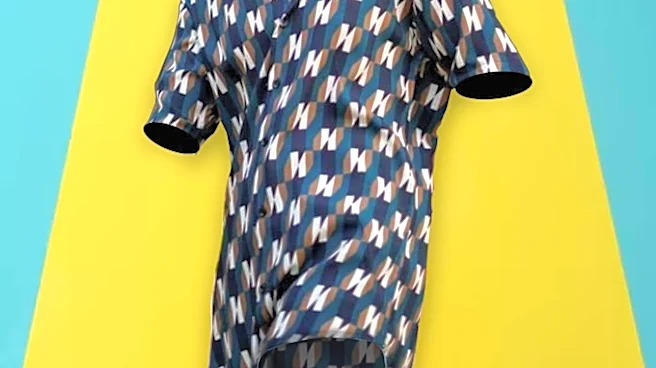
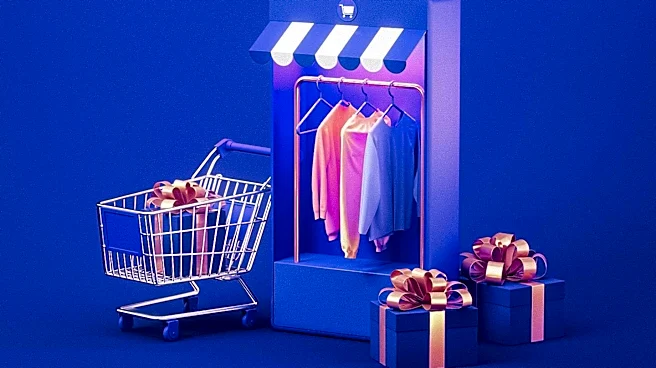
OpenAI has launched two new shopping features globally within ChatGPT: virtual try-ons for clothing and accessories, and a favoriting function. These additions allow users to upload a selfie or full-body photo to visualize how an item might look on them,
or to upload an image of an item and ask ChatGPT to apply it virtually. The favoriting feature enables users to save desired products to a library within the ChatGPT app, creating a virtual wardrobe. These capabilities are powered by OpenAI's new Images 2.5 model, which reportedly offers more natural lighting, richer textures in generated images, improved adherence to editing instructions, and reduced image generation latency. ChatGPT can also assist users by suggesting complementary styles based on descriptions or by identifying purchasable items from celebrity outfits.
Why It's Important?
The integration of virtual try-on and favoriting features into ChatGPT signifies a notable advancement in AI's role in e-commerce and personal styling. This development could streamline the online shopping experience for consumers, potentially reducing returns due to ill-fitting or unsuitable items, and offering a more personalized and interactive way to explore fashion. For retailers and brands, it presents an opportunity to enhance customer engagement and conversion rates by providing a more immersive product visualization tool. The underlying improvements in OpenAI's Images 2.5 model suggest a broader trend towards more sophisticated and realistic AI-generated imagery, which has implications across various industries beyond fashion, including advertising and design. The success of these features could influence how other AI platforms and e-commerce sites integrate similar functionalities, pushing the boundaries of virtual consumer experiences.
What's Next?
The adoption rate of ChatGPT's new shopping features will be a key indicator of their future impact. While Google introduced a similar virtual wardrobe feature in Google Photos last year, it remains to be seen if ChatGPT users will embrace this functionality. OpenAI's continued expansion into practical applications, alongside its recent launch of a ChatGPT plugin for Apple Messages and collaboration with Jony Ive on a smart speaker, suggests a strategic push to integrate AI into daily consumer technology. Future developments may include further refinements to the virtual try-on technology, such as more accurate fabric simulation and personalized styling recommendations based on user preferences and body types. The competitive landscape among AI developers will likely drive continuous innovation in virtual shopping experiences, potentially leading to more sophisticated and seamless integrations with online retail platforms.
Beyond the Headlines
These new features touch upon deeper implications regarding the intersection of artificial intelligence, consumer behavior, and the fashion industry. The ability to virtually try on clothes could alter traditional shopping habits, potentially diminishing the need for physical retail experiences for certain purchases. This shift could also raise questions about data privacy, particularly concerning the use of personal photos for virtual try-ons. Furthermore, the increasing sophistication of AI in generating realistic images and styling suggestions could influence fashion trends and consumer aesthetics, as AI models might inadvertently shape preferences. The ethical considerations of AI-driven personalization and the potential for algorithmic bias in fashion recommendations will become increasingly relevant as these technologies become more widespread. The long-term impact could include a more sustainable fashion industry due to reduced physical sampling and returns, but also a more digitized and potentially less tactile consumer relationship with clothing.