







What's Happening?
On July 23, 2026, U.S. Treasury yields increased, driven by rising oil prices and anticipation of jobless claims data. The 10-year Treasury note yield rose to 4.707%, its highest since January 2025, as Brent crude oil prices surpassed $100 per barrel.
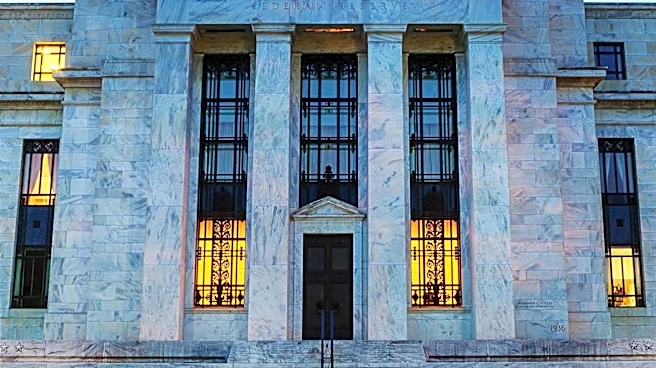
This surge in oil prices, partly due to geopolitical tensions in the Middle East, has rekindled inflation fears. Concurrently, jobless claims fell below expectations, indicating a potentially strengthening labor market. These developments are influencing investor sentiment and could impact Federal Reserve interest rate decisions.
Why It's Important?
The rise in Treasury yields reflects market concerns about inflation, which could lead to higher borrowing costs for consumers and businesses. As oil prices influence inflation, their increase could pressure the Federal Reserve to adjust interest rates to manage economic stability. This situation affects various economic stakeholders, including investors, policymakers, and consumers, as it could lead to changes in monetary policy and economic growth forecasts. The interplay between energy prices and economic indicators underscores the complexity of managing economic policy in a volatile global environment.
What's Next?
Investors are closely watching upcoming economic reports, such as the S&P Global Flash U.S. purchasing managers index, for further insights into the economic outlook. The Federal Reserve's response to inflationary pressures will be critical, with potential rate hikes on the horizon. Additionally, geopolitical developments in the Middle East could continue to influence oil prices and, by extension, inflation expectations. Stakeholders will need to navigate these uncertainties as they assess the implications for financial markets and economic policy.