






What's Happening?
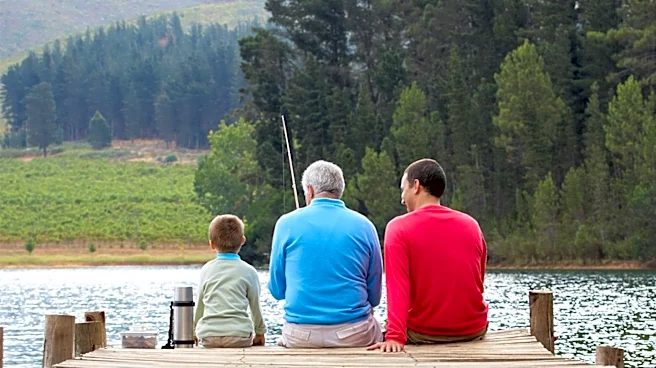
Brushy Creek Lake Park, located near Austin, Texas, provides a family-friendly destination for freshwater fishing and various recreational activities. While not a major Gulf Coast fishing spot, it offers a quiet environment for catching bass, catfish,
and crappies from the shoreline or by canoe/kayak. Visitors are required to follow catch-and-release regulations, size and bag limits, and obtain a fishing license. Beyond fishing, the 90-acre park features a seasonal splash pad, open from May to September, and sits along the Brushy Creek Regional Trail, a mixed-surface path suitable for biking, hiking, jogging, or leisurely walks. The park also includes amenities like volleyball courts, exercise stations, and picnic tables. Access to the park from Austin is a 30-minute drive, and it is open from dawn to 10 p.m., with most amenities, including the splash pad, being free to use.
Why It's Important?
Brushy Creek Lake Park serves as a vital community resource, offering accessible outdoor recreation and promoting engagement with nature for families in the Austin area. Its focus on freshwater fishing provides an opportunity for residents to participate in a popular pastime, while the emphasis on catch-and-release and adherence to regulations promotes responsible angling and conservation awareness. The park's diverse amenities, including trails and sports facilities, contribute to public health and well-being by encouraging physical activity. As urban areas expand, the availability of such green spaces becomes increasingly important for providing ecological benefits, such as habitat for local wildlife, and for offering residents a respite from city life. The park's free access to most facilities also ensures that outdoor recreation is available to a broad demographic, fostering community cohesion and quality of life.
What's Next?
Brushy Creek Lake Park will continue to serve as a recreational hub for the Austin community, with its seasonal splash pad and year-round trails and fishing opportunities. Ongoing maintenance and potential future enhancements will likely focus on preserving the park's natural environment and improving visitor experience. The park's integration with the Brushy Creek Regional Trail suggests a broader regional commitment to interconnected green spaces, which may see further development or expansion. Educational programs related to fishing regulations, local ecology, and outdoor ethics could be implemented to further promote responsible use of the park's resources. The park's popularity may also lead to increased visitor numbers, necessitating careful management to balance recreational demand with environmental preservation.
Beyond the Headlines
Brushy Creek Lake Park exemplifies the growing trend of urban and suburban areas investing in accessible green infrastructure that supports both recreation and ecological health. The park's success in providing a low-key fishing experience, coupled with its broader recreational offerings, highlights a model for how communities can integrate natural spaces into developed areas. The emphasis on catch-and-release fishing, while a practical measure for resource management, also subtly educates the public on conservation principles and the value of sustainable practices. Furthermore, the park's role as a connector along the Brushy Creek Regional Trail demonstrates the importance of networked green spaces for regional biodiversity and human mobility. This approach to urban planning fosters a deeper connection between residents and their local environment, potentially leading to greater civic engagement in environmental stewardship and advocacy for similar projects.