





What's Happening?
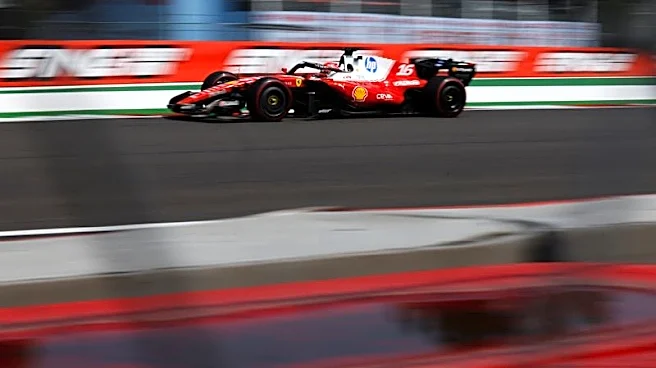
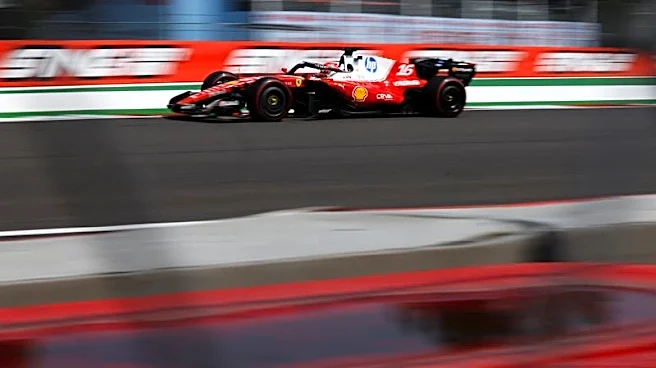
Ferrari team principal Fred Vasseur has publicly accused drivers Lewis Hamilton and Charles Leclerc of showing a 'lack of respect' towards the team following their on-track incident at the Mexico City Grand Prix. The clash occurred on the opening lap
when Hamilton, starting from pole, and Leclerc, starting third, battled for position. Leclerc moved to the outside of Turn 1, then to the inside of Turn 2, eventually running off track with Hamilton at Turn 4. Leclerc gained position by cutting the track, which led to a five-second time penalty from the stewards for gaining a lasting advantage. Max Verstappen capitalized on the Ferrari drivers' battle, moving ahead of Hamilton. Hamilton expressed frustration over the radio, suggesting the penalty was insufficient as Leclerc still benefited from clean air. Vasseur stated he was 'struggling to swallow it' and felt the drivers disrespected the Ferrari brand, its sponsors, and the 2,000 people working for the team, especially after the team had made significant performance improvements. He indicated that throwing away a potential win was tough to accept and that he intended to speak with both drivers about the incident.
Why It's Important?
This public criticism from a team principal highlights significant internal tensions within Ferrari, a prominent Formula 1 team. Such disputes between teammates, especially when they lead to lost opportunities like a potential race win, can severely impact team morale, strategy, and overall performance. For Ferrari, a team under constant scrutiny and pressure to perform, these incidents undermine their efforts to return to championship-winning form. The 'lack of respect' accusation suggests a deeper issue than just a racing incident, potentially indicating a breakdown in communication or trust between the drivers and team management. This could affect future race strategies, driver contracts, and the team's ability to present a united front against competitors. The incident also raises questions about driver discipline and the balance between individual ambition and team objectives, which is crucial for any top-tier racing outfit aiming for consistent success.
What's Next?
Following Fred Vasseur's strong remarks, internal discussions are expected to take place between the Ferrari team principal and both Lewis Hamilton and Charles Leclerc. These talks will likely aim to address the 'lack of respect' and establish clearer guidelines for on-track conduct, especially when battling teammates. The team will need to manage the fallout from this incident to prevent further damage to team cohesion and public image. Future races will be closely watched to see if the drivers' on-track behavior changes and if Ferrari can avoid similar self-inflicted setbacks. The team's performance in upcoming Grand Prix events, starting with Brazil, will be a key indicator of how effectively they have resolved these internal issues. The incident could also influence long-term team dynamics and potentially impact strategic decisions regarding driver roles and priorities within the team.
Beyond the Headlines
The clash between Lewis Hamilton and Charles Leclerc, and the subsequent criticism from Fred Vasseur, points to a recurring challenge in Formula 1: managing highly competitive drivers within a team structure. This incident is not isolated, as Ferrari has experienced similar intra-team tensions in the past. It underscores the delicate balance team principals must strike between allowing drivers to race hard and ensuring they prioritize team objectives, especially when a potential victory is at stake. Ethically, the 'lack of respect' comment raises questions about professional conduct and accountability within elite sports. Legally, while no formal legal action is implied, such public statements can affect driver-team relationships and future contract negotiations. Culturally, it reflects the intense pressure and high stakes in Formula 1, where individual glory often clashes with collective success, leading to moments that can define a team's season or even its era.