





What's Happening?
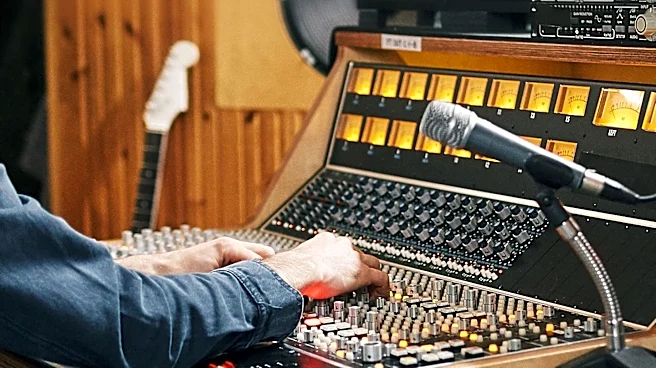
The Country Music Hall of Fame and Museum, an institution accredited by the American Alliance of Museums and recognized with the National Medal of Arts, is actively seeking an Audio Digitization and Metadata Specialist. This full-time, exempt position
falls within the Museum Services department and reports directly to the Director of Library and Archival Collections. The primary responsibility of this role is to organize, digitize, and meticulously describe content from the museum's extensive collection of over 300,000 sound recordings. This initiative is a direct reflection of the Digital & Library Collections Department's mission to preserve and protect its vast collections, utilizing best practices and emerging technologies to ensure appropriate access. The museum, chartered in 1964, is a 501(c)(3) nonprofit educational organization dedicated to documenting and interpreting the history of country music through its collections, educational programs, publications, and exhibitions. Its facilities include 350,000 square feet of exhibition galleries, archival storage, and educational spaces like the Taylor Swift Education Center, alongside operating historic sites such as Hatch Show Print and Historic RCA Studio B.
Why It's Important?
This hiring initiative underscores the critical importance of digital preservation in cultural institutions, particularly for unique and historically significant audio archives. The digitization of 300,000 sound recordings will safeguard invaluable cultural heritage from degradation, ensuring its accessibility for future generations of researchers, musicians, and the public. For the U.S. music industry and cultural sector, this effort contributes to the comprehensive documentation of country music's evolution, a genre deeply embedded in American cultural identity. The role of a metadata specialist is crucial in making these digitized assets discoverable and usable, transforming raw data into an organized, searchable resource. This project also highlights the ongoing investment in technology and specialized expertise required to maintain and expand the reach of cultural institutions in the digital age, setting a precedent for other museums and archives facing similar preservation challenges. The museum's commitment to digital access enhances its educational mission and broad cultural impact.
What's Next?
The Country Music Hall of Fame and Museum will proceed with the recruitment and selection process for the Audio Digitization and Metadata Specialist. Once hired, the specialist will begin the extensive task of digitizing and cataloging the museum's sound recording collection. This will involve implementing established best practices for audio preservation and metadata creation, potentially leading to the development of new digital access platforms or enhancements to existing ones. The successful digitization of this collection could pave the way for new exhibitions, online educational resources, and collaborative projects with other institutions. Furthermore, the project's progress and outcomes may influence future funding and strategic planning for digital initiatives within the museum and potentially serve as a model for other cultural heritage organizations looking to undertake large-scale audio digitization efforts.
Beyond the Headlines
The digitization of the Country Music Hall of Fame and Museum's audio collection extends beyond mere preservation; it represents a significant step in democratizing access to cultural history. By making these recordings digitally available, the museum can reach a global audience, fostering a deeper understanding and appreciation of country music's roots and evolution. This initiative also touches upon the broader ethical considerations of digital archiving, including copyright management, intellectual property rights, and ensuring equitable access for diverse communities. The meticulous metadata creation will not only improve searchability but also provide rich contextual information, allowing for new scholarly interpretations and creative uses of the archived material. Ultimately, this project contributes to the ongoing narrative of how technology can serve as a powerful tool for cultural stewardship, transforming how historical artifacts are preserved, studied, and experienced in the 21st century.