




What's Happening?
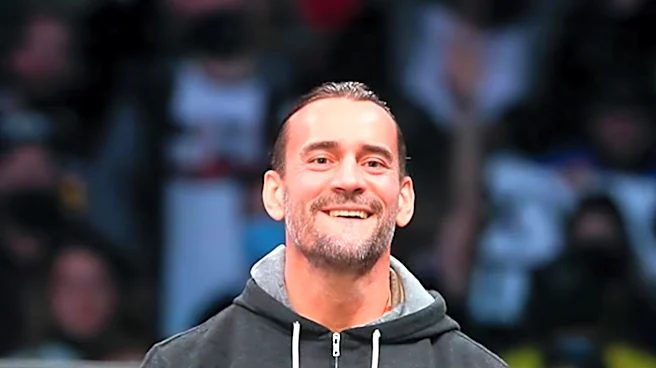
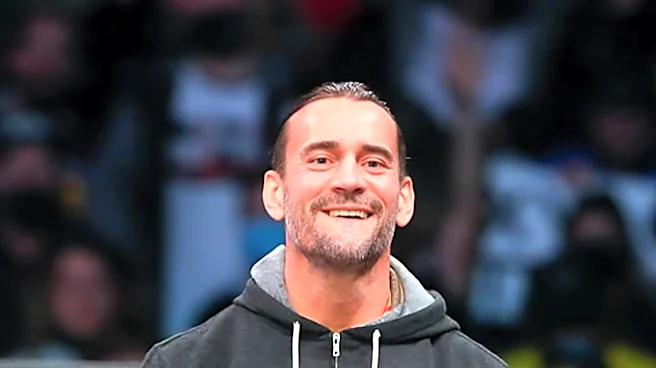
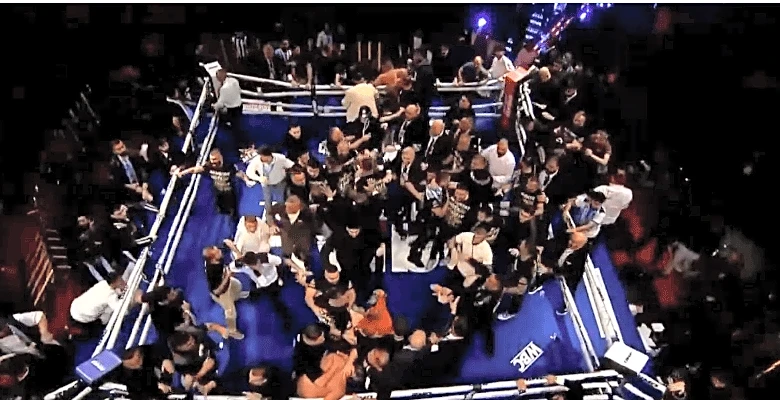
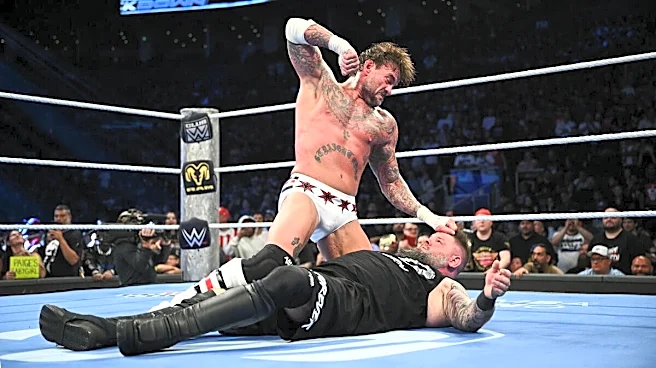
Former WWE writer Robert Karpeles has claimed that All Elite Wrestling (AEW) was characterized by backstage cliques during the period surrounding the CM Punk 'Brawl Out' incident. Speaking on the 'Two Man Power Trip of Wrestling' podcast, Karpeles contrasted
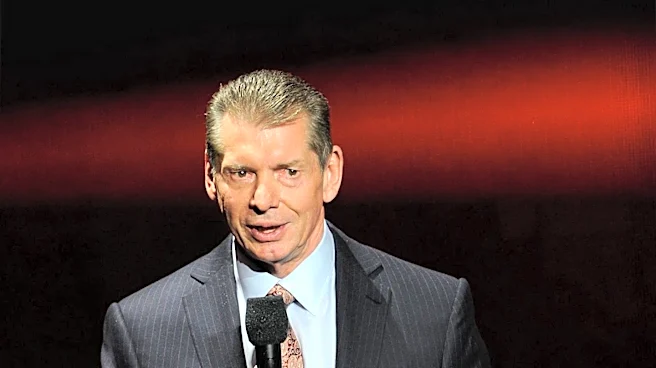
AEW's internal dynamics with Vince McMahon's singular leadership style in WWE. He suggested that AEW's locker room was divided into distinct factions, including groups aligned with Cody Rhodes, Kenny Omega and The Young Bucks, and Chris Jericho, alongside other wrestlers. Karpeles expressed concern that this cliquey environment, particularly evident after CM Punk's post-All Out 2022 media scrum and subsequent brawl, hindered a unified organizational goal. He emphasized the necessity of decisive leadership to ensure everyone works towards a common objective, a quality he felt was lacking in AEW at the time.
Why It's Important?
Karpeles's observations highlight potential internal challenges within AEW, a prominent competitor in the professional wrestling landscape. The existence of backstage cliques can undermine morale, create divisions, and ultimately impact the on-screen product and overall business stability. For fans and stakeholders, such internal strife can lead to a perception of disorganization and a lack of clear direction, potentially affecting viewership, talent retention, and investor confidence. The comparison to Vince McMahon's leadership style underscores a debate within the wrestling industry about the most effective management structures. A fragmented locker room, as described, could impede creative collaboration and the consistent execution of storylines, which are crucial for a wrestling promotion's success and its ability to compete with established entities like WWE.
What's Next?
While Karpeles's comments refer to past events, particularly the CM Punk controversy, they could reignite discussions about AEW's internal culture and leadership. The company has since undergone various changes, and the impact of these alleged past divisions on current operations remains a subject of speculation. Future developments in AEW's talent relations and management strategies will be closely watched by industry observers. The company's ability to foster a cohesive and unified locker room will be critical for its long-term growth and its competitive standing in the professional wrestling market. Any perceived recurrence of such internal issues could lead to further scrutiny from fans and media.
Beyond the Headlines
The allegations of backstage cliques in AEW touch upon broader themes of organizational psychology and leadership within high-pressure, performance-driven environments. In any industry, particularly one as public and personality-driven as professional wrestling, internal dynamics can significantly influence external perception and success. The 'Brawl Out' incident itself, and the subsequent commentary from figures like Karpeles, illustrate how personal conflicts and power struggles can escalate and have far-reaching consequences for a company's brand and reputation. This situation also raises questions about the role of management in mediating disputes and establishing a clear chain of command to prevent such divisions from impacting business operations and public image.