


What's Happening?
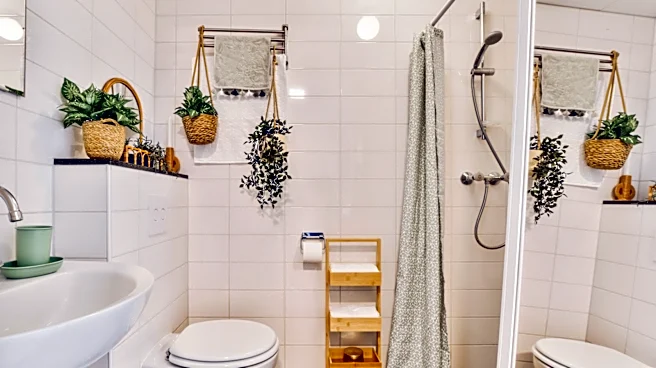
A new trend in home organization involves repurposing kitchen spice racks for bathroom storage, particularly in small living spaces. This innovative approach addresses common issues in tiny bathrooms, such as limited counter space and the difficulty of
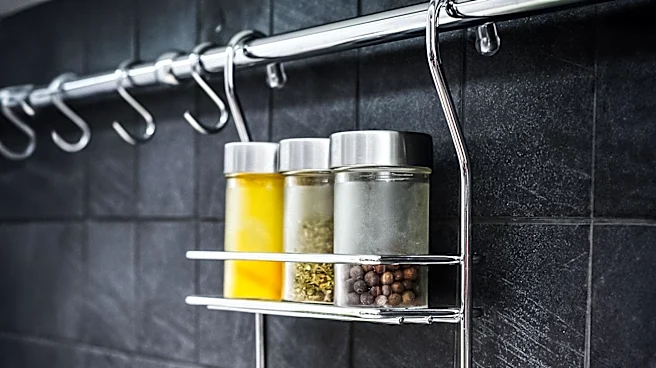
installing wall-mounted organizers on certain tile types. The user in question, living in a pre-war studio apartment in Manhattan, found that traditional shower organizers were impractical. Initially, toiletries were placed on the bathtub rim and a dirty windowsill, leading to grime and water accumulation. Seeking a more effective solution, the individual discovered that durable plastic spice racks, designed to withstand kitchen messes, are highly suitable for the humid and wet environment of a shower. These racks are praised for their ability to keep products off surfaces, prevent waterlogging, and offer a sleek, tiered display that makes items easily accessible and visually appealing. The design of many modern spice racks, often made from robust materials, makes them resistant to moisture and easy to clean, providing a practical and aesthetic upgrade for bathroom organization.
Why It's Important?
This trend highlights a growing consumer need for versatile and space-saving solutions in urban living environments, where small apartments are common. The repurposing of everyday household items, like spice racks, for alternative uses demonstrates a shift towards more creative and functional home design, driven by necessity and a desire for aesthetic appeal. For consumers, this offers an affordable and readily available alternative to specialized bathroom storage, which can often be more expensive or less adaptable to unique spatial constraints. For retailers and manufacturers, this trend could signal an opportunity to market existing products for broader applications or to design new products with multi-functional capabilities. It also underscores the importance of product durability and ease of cleaning, as these features are crucial for items used in high-moisture areas like bathrooms. The emphasis on a 'spa-like' aesthetic, even in small spaces, reflects a broader lifestyle trend where home environments are increasingly viewed as personal sanctuaries, requiring both functionality and visual harmony.
What's Next?
The increasing popularity of such creative home hacks could lead to several developments. Manufacturers of home goods might begin to design products with dual-purpose functionality in mind, explicitly marketing items like spice racks for both kitchen and bathroom use. We may also see an increase in online content, such as DIY guides and social media trends, showcasing similar innovative storage solutions for small spaces. Retailers could start cross-merchandising these items, placing spice racks in both kitchen and bathroom organization aisles. Furthermore, the demand for durable, easy-to-clean materials in home products is likely to grow, influencing product development across various categories. Consumers will likely continue to seek out practical yet stylish solutions that maximize space and enhance the overall aesthetic of their homes, particularly in urban areas where living spaces are often compact.
Beyond the Headlines
This phenomenon extends beyond mere organization; it reflects a broader cultural shift towards resourcefulness and mindful consumption. In an era where sustainability and efficiency are increasingly valued, repurposing items rather than buying new, specialized products aligns with a more eco-conscious mindset. It challenges traditional notions of product categorization and encourages consumers to think outside the box about how everyday objects can serve multiple functions. This approach can also foster a sense of personal agency and creativity in home design, allowing individuals to tailor their living spaces to their specific needs and aesthetic preferences without relying solely on mass-produced, single-purpose items. The 'hack' culture, prevalent on social media, further amplifies these trends, turning practical solutions into aspirational lifestyle choices that blend utility with personal style.