





What's Happening?
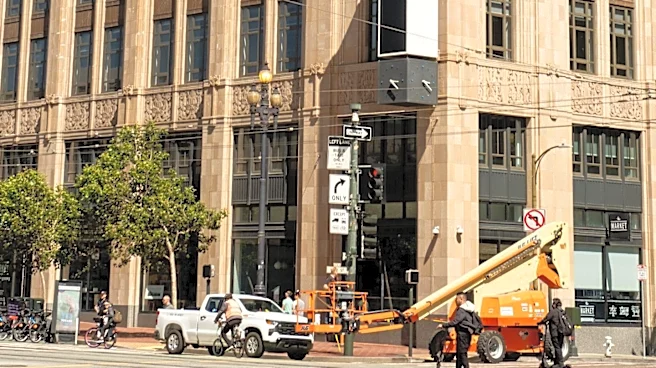
Adaptive reuse has emerged as a significant trend in U.S. development, driven by factors such as office vacancies, housing shortages, and municipal policy shifts. Developers, governments, and investors are increasingly focusing on converting existing
buildings into residential spaces, particularly in major metropolitan areas. A report highlights that over 90,000 apartment conversions are currently in the pipeline, marking a 28% year-over-year increase. This trend is largely concentrated in areas where housing demand intersects with vacant office inventory. The broader redevelopment landscape is also influenced by rising land costs and limited availability, prompting communities to explore mixed-use development opportunities.
Why It's Important?
The shift towards adaptive reuse is crucial in addressing the U.S. housing crisis, particularly in urban areas where land is scarce and expensive. By repurposing existing structures, cities can meet housing demands without the need for new land development, thus preserving green spaces and reducing construction waste. This approach also supports economic development by revitalizing underutilized properties and creating walkable urban neighborhoods. Stakeholders, including developers and local governments, stand to benefit from increased property values and community investment, while residents gain access to more housing options and amenities.
What's Next?
As adaptive reuse projects continue to gain traction, stakeholders will likely focus on overcoming challenges such as preservation requirements, construction complexities, and financing structures. Successful projects will require collaboration among developers, public agencies, and preservation experts. The trend is expected to expand as cities prioritize sustainable development and efficient land use, potentially leading to policy changes that further support adaptive reuse initiatives.