




What's Happening?
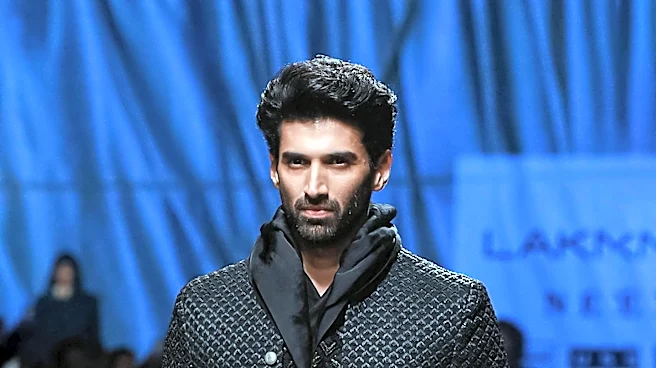
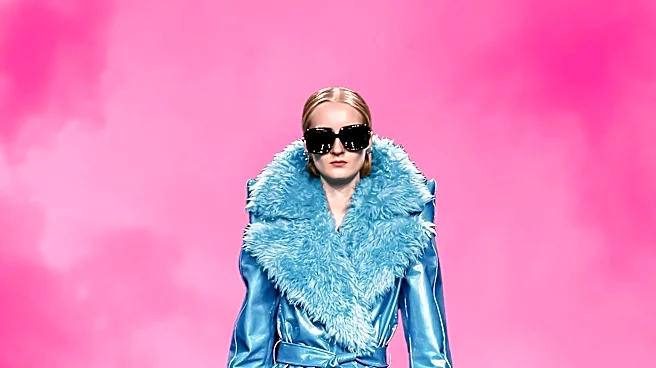
International models are increasingly leveraging their platforms to advocate for social issues, particularly body positivity and sustainability within the fashion industry. These models, who work globally across major fashion capitals like New York, Paris,
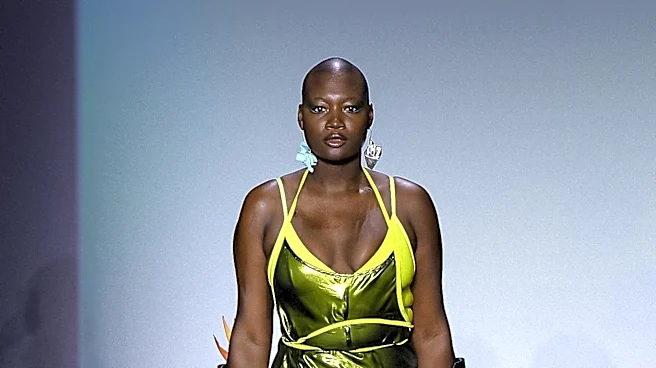
Milan, and Tokyo, are instrumental in promoting diversity by representing various body types, ethnicities, and styles. The rise of movements such as the curve model runway signifies a significant shift towards size inclusivity in fashion. By collaborating with campaigners and brands, international models bring critical attention to these matters, influencing both industry practices and consumer behavior. Their unique styles and ability to set trends also play a crucial role in elevating upcoming designers and styles, often amplified through their visibility and social media presence.
Why It's Important?
The growing influence of international models in advocating for diversity and inclusivity has significant implications for the U.S. fashion industry and broader society. This trend challenges traditional beauty standards, pushing U.S. brands to adopt more inclusive marketing strategies and product offerings. The emphasis on body positivity, for instance, can lead to a more representative portrayal of consumers in advertising, fostering greater self-acceptance and confidence among diverse populations. Economically, brands that embrace size inclusivity and sustainable practices may gain a competitive edge by appealing to a wider consumer base that values ethical and diverse representation. This shift also encourages U.S. fashion houses to re-evaluate their supply chains and production methods to align with global sustainability efforts, potentially leading to more environmentally conscious practices across the industry.
What's Next?
The trajectory suggests a continued push for greater diversity and inclusivity within the U.S. fashion landscape. Brands are likely to further expand their size ranges, feature more diverse models in campaigns, and invest in sustainable production methods to meet evolving consumer demands and ethical expectations. The influence of social media will continue to empower models and advocates to drive these changes, potentially leading to new industry standards and regulations regarding representation and sustainability. Fashion weeks in major U.S. cities may increasingly showcase a broader array of body types and styles, reflecting a more inclusive vision of beauty. Furthermore, collaborations between models, activists, and brands are expected to intensify, fostering a more socially conscious and responsible fashion ecosystem.
Beyond the Headlines
The movement spearheaded by international models extends beyond mere aesthetics, touching upon deeper cultural and ethical dimensions. It challenges the long-standing, often narrow, definitions of beauty perpetuated by the fashion industry, promoting a more holistic understanding of self-expression and identity. This shift can have profound psychological impacts, particularly on younger generations, by fostering a more positive body image and reducing the pressures associated with unrealistic beauty standards. Legally, there could be increased scrutiny on discriminatory practices within the industry, potentially leading to policies that mandate greater diversity in advertising and employment. Culturally, the embrace of diverse body types and ethnicities in fashion reflects a broader societal movement towards acceptance and representation, signaling a progressive evolution in how identity is perceived and celebrated in mainstream media.