
What's Happening?
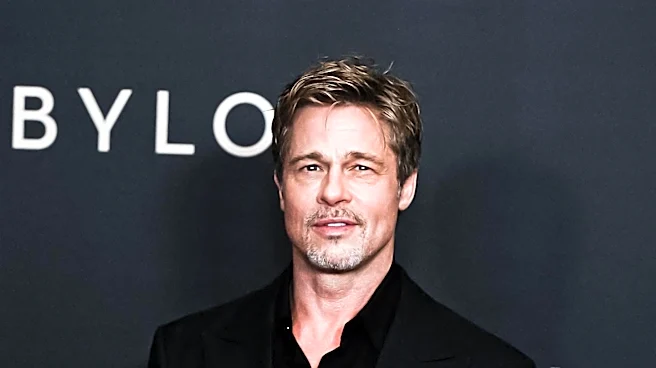
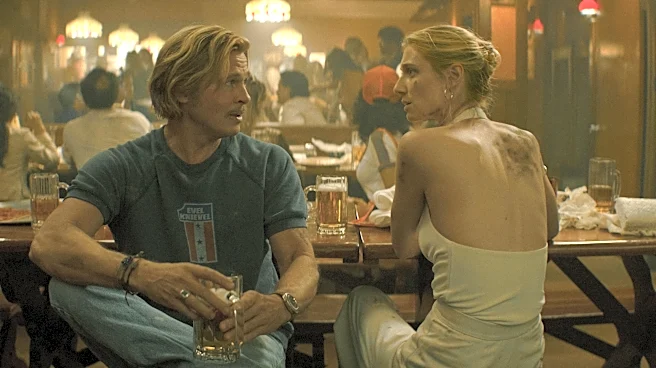
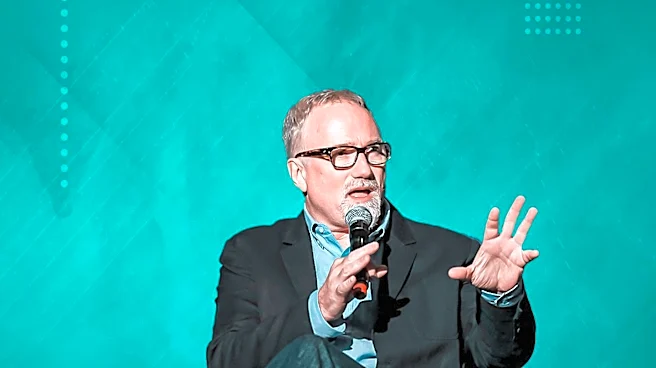
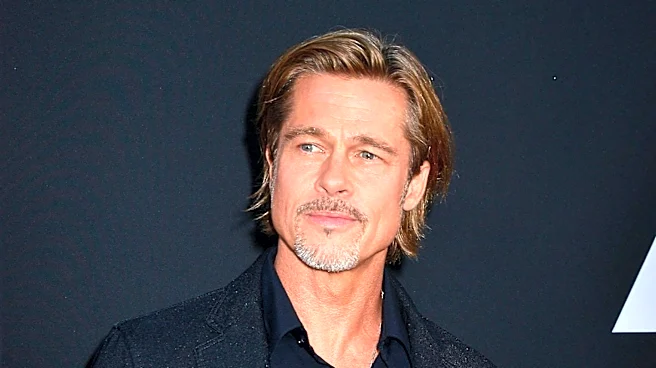
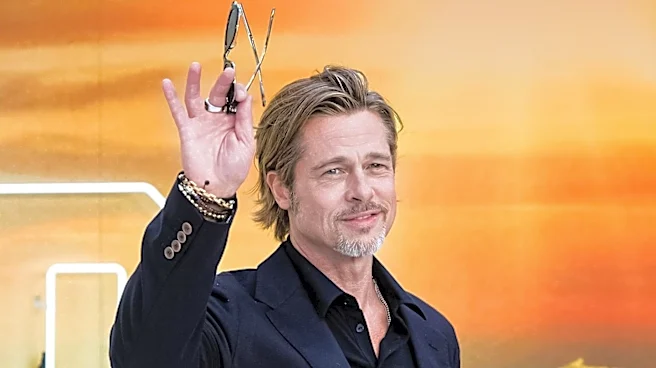
Director David Fincher has helmed 'The Further Mis-Adventures of Cliff Booth,' a sequel to Quentin Tarantino's 'Once Upon a Time in... Hollywood.' The film, based on a 230-page screenplay by Tarantino, revisits Brad Pitt's character, Cliff Booth, eight
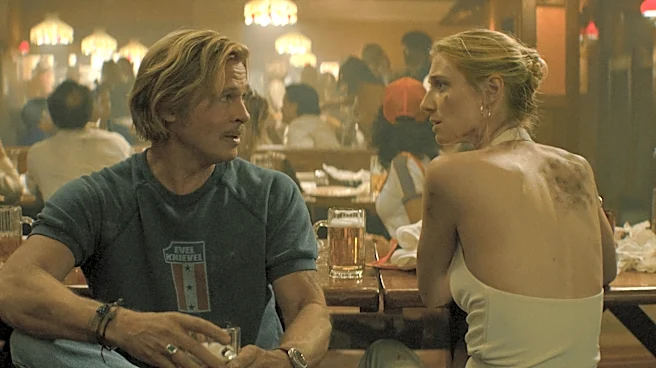
years after the original events. Pitt himself persuaded Fincher to take on the project. The movie, which premiered in London, depicts Booth in 1977 Los Angeles, living with his father and working various jobs, some of which are described as 'criminally dirty' but still connected to the movie business. Fincher, known for his dark and bitter style, cut 60 pages of dialogue from Tarantino's script, focusing on refining existing scenes rather than removing them. The film is set to be released in theaters before becoming available on Netflix, marking the end of Fincher's seven-year relationship with the streaming platform.
Why It's Important?
This collaboration between two prominent filmmakers, David Fincher and Quentin Tarantino, for a Netflix-distributed sequel, signifies a notable event in the entertainment industry. The project's direct-to-streaming availability after a theatrical release highlights the evolving distribution models for major films, potentially influencing how other high-profile projects are brought to audiences. For Netflix, securing a film from a director of Fincher's caliber, even as his contract concludes, underscores its continued investment in premium content. The film's focus on a character from a critically acclaimed and commercially successful movie like 'Once Upon a Time in... Hollywood' suggests a strategy to leverage established intellectual property, which could set a precedent for future sequels or spin-offs of popular films, particularly those with strong directorial voices. The creative process, involving significant script revisions by Fincher, also demonstrates the dynamic nature of film production, where a director's vision can reshape a writer's original material.
What's Next?
Following its theatrical release, 'The Further Mis-Adventures of Cliff Booth' will become available on Netflix, making it accessible to a global streaming audience. This release strategy will be a key indicator of how major films navigate the balance between traditional cinema and digital platforms. The film's reception will likely influence future collaborations between high-profile directors and streaming services. David Fincher, now free of commitments after his Netflix contract, is expected to pursue new projects, and his next moves will be closely watched by the industry. The success of this sequel could also prompt further exploration of characters and narratives from Tarantino's filmography, potentially leading to more spin-offs or continuations of his cinematic universe, even if not directly helmed by him.
Beyond the Headlines
The film's production and release touch upon several deeper implications within the entertainment landscape. The debate surrounding the use of AI in reconstructing the 1977 Los Angeles setting, as mentioned by Fincher, reflects a broader industry discussion about technology's role in filmmaking and its potential impact on creative processes and labor. Fincher's perspective that the AI debate 'masks a culture war' suggests underlying tensions beyond technological advancements. Furthermore, the film's exploration of a character like Cliff Booth, who is 'facing and navigating his retirement,' could resonate with themes of aging, relevance, and the changing nature of work within the entertainment industry itself. The shift towards streaming platforms as primary distribution channels, even for films with significant artistic pedigree, continues to reshape audience consumption habits and the economic models of film production and exhibition.