

What's Happening?
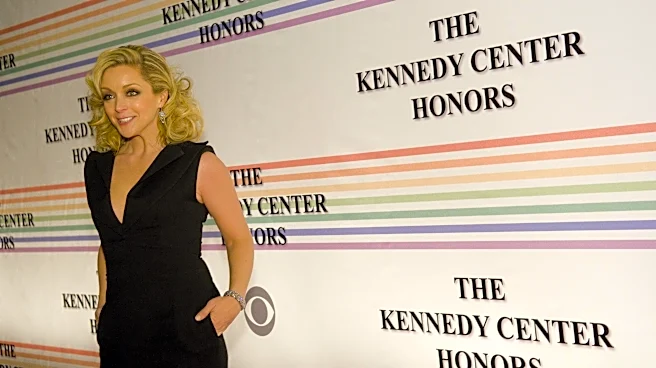
The 2026 Kennedy Center Honors ceremony will be held off-site at the Capital One Arena in Washington, D.C., on December 7, and will be broadcast on CBS on December 27 at 8:30 PM ET, with live streaming available on Paramount+ for premium subscribers.
This marks the first time the event will not take place at the Kennedy Center itself, which remains closed. The honorees for this year include composer David Foster, playwright David Mamet, songwriter Paul Anka, actor Andy Garcia, and country singer Barbara Mandrell, selected by the Kennedy Center board and President Trump. The event is supported by Boeing, Delta Air Lines, and Tiffany & Co. The decision to hold the event off-site comes amidst ongoing disputes regarding the Kennedy Center's closure, which President Trump claims is for extensive renovations. However, court filings from October 31 indicate that Kennedy Center officials recommended closure to address plummeting ticket sales, which have declined significantly since President Trump assumed control of the center in February 2025.
Why It's Important?
The relocation of the Kennedy Center Honors highlights a significant cultural and political struggle surrounding a prominent U.S. arts institution. The reported decline in ticket sales and the refusal of many artists to perform at the venue since President Trump's involvement suggest a broader impact on the arts community and its relationship with political leadership. This situation could influence future funding for cultural institutions and the willingness of artists to engage with government-affiliated venues. The involvement of major corporate sponsors like Boeing, Delta Air Lines, and Tiffany & Co. underscores the event's continued commercial importance despite the internal turmoil. The ongoing legal battles, including an injunction against the center's closure and a ruling preventing President Trump from renaming the venue, demonstrate the checks and balances at play when political decisions intersect with cultural heritage and institutional autonomy. The controversy could also affect public perception of the Kennedy Center and its role in national cultural life.
What's Next?
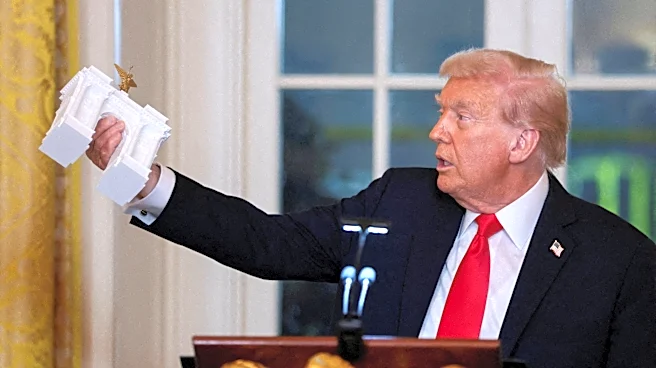
The broadcast of the Kennedy Center Honors on CBS and Paramount+ will proceed as scheduled, bringing the event to a national audience despite its off-site location. Following the 2026 Midterm Election, which saw Democrats retaking both houses of Congress, lawmakers have expressed intentions to investigate President Trump’s handling of the Kennedy Center. A hearing on November 19 addressed an injunction blocking President Trump's proposed two-year closure. Federal judge Christopher Cooper previously ruled that the Kennedy Center leadership must provide 30 days' notice before making any changes to the building, including demolition, after President Trump was observed with a poster board suggesting the center's demolition. The legal and political scrutiny surrounding the Kennedy Center is expected to continue, potentially influencing its future operations, funding, and leadership. The ongoing situation could also impact the willingness of artists to participate in future events associated with the center.
Beyond the Headlines
The controversy surrounding the Kennedy Center extends beyond its immediate operational challenges, touching upon deeper issues of artistic freedom, political influence over cultural institutions, and the preservation of national heritage. The reported refusal of artists to perform at the venue reflects a broader sentiment within the arts community regarding political affiliations and artistic integrity. This situation raises questions about the autonomy of cultural institutions and their vulnerability to political pressures. The legal battles, including the injunctions against closure and renaming, underscore the importance of judicial oversight in protecting established cultural entities from unilateral executive actions. The potential for Congress to investigate President Trump's actions suggests a long-term re-evaluation of how such institutions are governed and funded, potentially leading to new policies designed to safeguard their independence and ensure their continued role in fostering American arts and culture. The public's engagement with the off-site Honors ceremony will also be a key indicator of how these broader implications resonate with the audience.