



What's Happening?
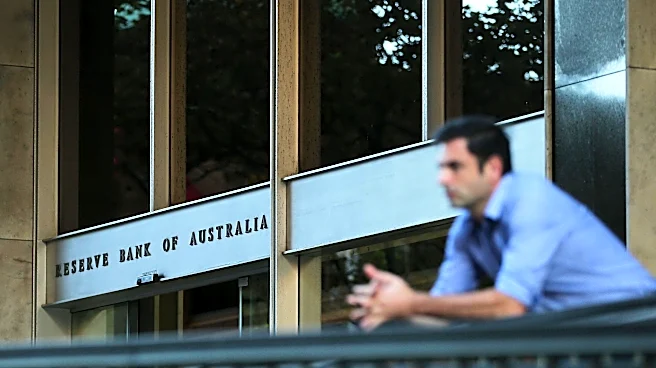
Australian households are facing a significant increase in mortgage repayments, with an average cumulative rise of $600 per month in 2026. This surge is a direct result of the Reserve Bank of Australia's (RBA) fifth interest rate hike of the year, which
has elevated the cash rate to 4.85%. This level marks the highest since November 2008, during the global financial crisis, as reported by 7NEWS Australia. The RBA's decision to raise the benchmark by a quarter of a percentage point from 4.6% is part of its strategy to curb inflation, which remains above 4%, outside the central bank's target range of 2% to 3%. In addition to the escalating mortgage costs, households are also grappling with soaring gasoline prices, contributing to a broader cost-of-living crisis across the country. The report highlights that the latest rate increase alone adds an extra $120 to monthly repayments for the average Australian mortgage.
Why It's Important?
The continuous rise in interest rates and the resulting increase in mortgage payments have a profound impact on the financial stability of Australian households. The cumulative $600 monthly increase in average mortgage repayments places considerable strain on household budgets, potentially leading to reduced discretionary spending and a decline in overall economic activity. This situation is exacerbated by high gasoline prices, further squeezing household finances. The RBA's aggressive stance on interest rates, aimed at bringing inflation down, indicates a challenging economic environment where the cost of living is a primary concern. For many Australians, this means re-evaluating their spending habits and potentially cutting back on essential goods and services, which could have ripple effects across various sectors of the economy. The comparison to 2008 levels underscores the severity of the current financial pressures.
What's Next?
The RBA's ongoing efforts to bring inflation within its target range suggest that further monetary policy adjustments could be on the horizon, depending on economic indicators. Households will likely continue to face financial pressures as long as inflation remains elevated and interest rates are used as a primary tool to manage it. The focus for many Australians will be on managing their budgets, with potential shifts in consumer behavior towards more conservative spending. The government and financial institutions may face increased calls for support or relief measures for mortgage holders and those struggling with the cost of living. The trajectory of global economic factors, such as oil prices and international conflicts, will also play a role in shaping the future economic landscape and the RBA's policy decisions.
Beyond the Headlines
The current cost-of-living crisis in Australia extends beyond immediate financial burdens, touching upon broader societal implications. The sustained pressure on household budgets can lead to increased financial stress, impacting mental health and overall well-being. The necessity for families to cut back on essential spending, as highlighted by the struggle to afford basic school essentials for disadvantaged families, points to a widening gap in economic equality. The situation also raises questions about the long-term sustainability of current economic policies and the balance between controlling inflation and supporting household financial health. The comparison of current interest rates to those during the 2008 global financial crisis suggests a period of significant economic adjustment, potentially leading to shifts in consumer confidence and investment patterns.