







What's Happening?
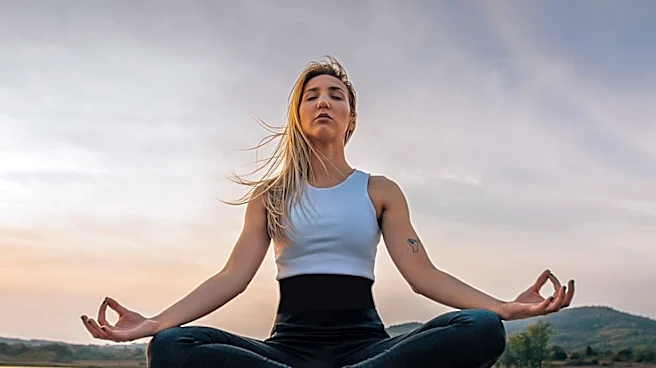
Mindfulness meditation is defined as the deliberate attention to present-moment experiences, such as breath, sound, sensation, thought, or movement, approached with curiosity rather than judgment. Its core aim is not to achieve constant calm, but to foster
a steadier relationship with current reality. This practice draws heavily from Buddhist contemplative traditions, while also incorporating elements from Hindu, Jain, Taoist, Christian, Islamic, and secular meditation streams. Modern teaching emphasizes practical, immediately usable instructions, such as noticing the breath or the feeling of feet on the floor, and gently returning attention when it wanders. The discipline is built through repeated re-centering, gradually cultivating steadiness. While it may help some individuals feel less overwhelmed, less reactive, or more capable of pausing before acting, it is not presented as a guaranteed solution for all issues. Research suggests modest benefits for stress reduction in some adults, though results can vary. Ethical communication about mindfulness highlights its role in building attention, awareness, steadiness, and choice, rather than promising miraculous outcomes.
Why It's Important?
The growing interest in mindfulness meditation reflects a societal need for tools to manage stress and improve mental well-being in an increasingly demanding world. For individuals, the practice offers a pathway to enhanced self-awareness, emotional balance, and a reduced tendency to react impulsively. This can lead to improved personal relationships and a greater sense of control over one's internal state. In professional settings, mindfulness can boost focus, productivity, and communication by training individuals to notice distractions without reacting and to listen actively. The emphasis on gradual cultivation of skills rather than instant fixes promotes a sustainable approach to mental health, aligning with broader public health initiatives that advocate for preventative and self-management strategies. The acknowledgment of its diverse contemplative roots also underscores the universal human quest for inner peace and understanding, making it relevant across various cultural and spiritual contexts.
What's Next?
The continued integration of mindfulness practices into various sectors, including healthcare, education, and corporate wellness programs, is anticipated. As research further clarifies its benefits and limitations, there will likely be a greater emphasis on responsible communication and ethical teaching practices to manage expectations and ensure safe engagement. The development of more tailored mindfulness programs, potentially addressing specific needs like anxiety, sleep improvement, or workplace stress, is also probable. Furthermore, the accessibility of mindfulness through virtual platforms and community-based initiatives is expected to expand, making these practices available to a wider audience. The ongoing dialogue between traditional wisdom and modern scientific evidence will continue to shape how mindfulness is understood, taught, and applied in contemporary society.
Beyond the Headlines
Beyond its immediate benefits for stress and focus, mindfulness meditation carries deeper implications for how individuals navigate change and impermanence. The practice encourages an 'allowing' mindset, where pleasant and unpleasant experiences are met with open awareness rather than struggle or resistance. This can foster greater resilience in the face of life's inevitable challenges, from minor daily frustrations to significant losses. By cultivating a non-judgmental observation of thoughts and sensations, individuals can develop a more detached perspective, reducing the emotional impact of negative experiences. This shift in perspective can lead to a profound re-evaluation of what constitutes happiness and well-being, moving beyond external circumstances to an internal state of acceptance. The practice also subtly challenges the modern inclination towards constant stimulation and instant gratification, promoting a return to present-moment engagement and a deeper appreciation for the subtle rhythms of life.