





What's Happening?
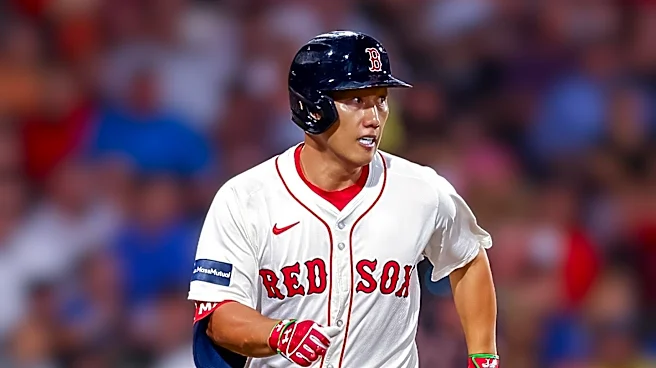
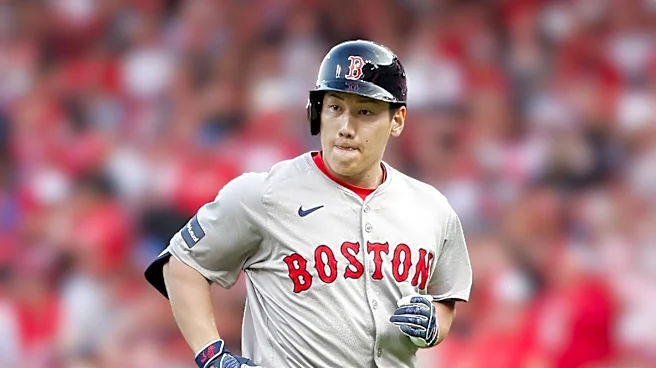
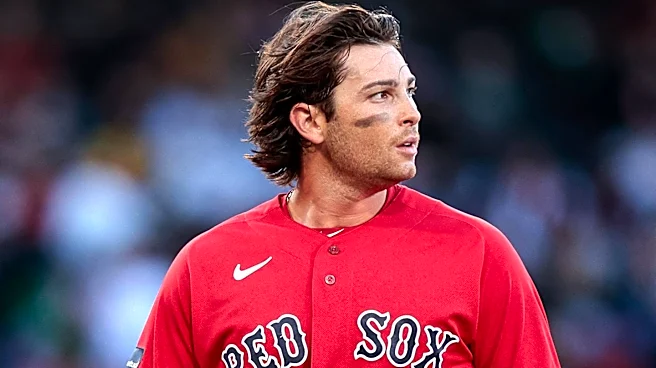
The Boston Red Sox have added Mead to their infield lineup, a move that reflects their confidence in his potential despite his average defensive capabilities. Mead, who has shown promise with a .254/.352/.500 batting line and 17 home runs for the Nationals,
is expected to serve primarily as a designated hitter. This acquisition comes at the cost of Early, a decision that has raised some eyebrows given Mead's defensive limitations. The Red Sox are likely to use Mead's offensive skills to bolster their lineup, especially against left-handed pitchers.
Why It's Important?
This strategic move by the Red Sox highlights their focus on enhancing their offensive capabilities, even at the expense of defensive strength. By acquiring Mead, the Red Sox aim to add depth to their batting lineup, which could be crucial in tight games. However, the decision to part with Early may impact their defensive options, potentially affecting their performance in the field. This trade reflects the ongoing balancing act teams face between offense and defense in building a competitive roster.
What's Next?
The Red Sox will integrate Mead into their lineup, likely as a designated hitter, while assessing his impact on the team's overall performance. They may also explore additional trades or roster adjustments to address any defensive gaps left by Early's departure. As the season progresses, the effectiveness of this trade will be evaluated based on Mead's contributions and the team's success in upcoming games.