






What's Happening?
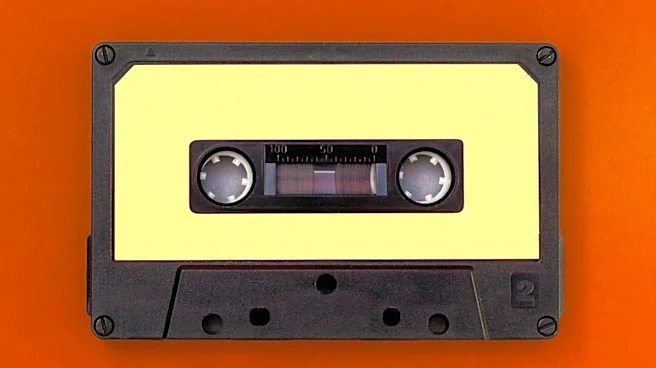
Maxell, in collaboration with Disk Union, has re-released special edition UD-60U cassette tapes, originally launched in 1970. These tapes are designed to appeal to consumers seeking nostalgia for the era when cassette tapes were a primary medium for sharing
music and culture. The new UD-60U tapes utilize a 1970s ferric formula, which is particularly suited for vintage PC data drives like the C64 Datassette, as well as for creating home recordings from vinyl. Disk Union's press release emphasizes the product's ability to evoke a sense of nostalgia for those who grew up with the original UD series. While not ideal for high-fidelity audio, these normal-position (Type I ferric) tapes are well-suited for the square-ish digital pulses used to encode data on 8-bit home computers. This marks a continuation of UD tape revivals, with previous retro-packaged releases by Maxell starting in 2016, and a successful collaboration with Disk Union on the first batch of UD-60U tapes last year. The tapes are priced at 990 yen ($6.25) each or 2,900 yen ($18.28) for a triple pack, distributed by Denkyosha Co.
Why It's Important?
This re-release signifies a growing trend in the consumer electronics market towards retro technology and nostalgia-driven products. For enthusiasts of vintage computing and audio, these tapes provide an authentic medium for operating classic hardware and experiencing media as it was originally intended. The specific ferric formulation makes them ideal for older data storage systems, potentially revitalizing interest in retro computing hobbies. Economically, this niche market demonstrates that there is demand for older formats, even in a digitally dominated world, creating opportunities for manufacturers to re-introduce legacy products. The collaboration between Maxell and Disk Union highlights how brands can leverage historical product lines to tap into consumer sentiment and create new revenue streams. This move also underscores the cultural significance of physical media, offering a tangible connection to past technological eras that digital formats cannot replicate.
What's Next?
The success of this re-release could encourage other manufacturers to explore similar revivals of vintage technology and media formats. If demand remains strong, Maxell and Disk Union may continue to produce these tapes or even expand into other retro audio or data storage solutions. The market response will likely influence future product development in the nostalgia sector, potentially leading to more collaborations between heritage brands and distributors. Consumers can expect continued availability of these tapes, and possibly other related accessories, as long as the nostalgic appeal holds. This trend might also spur innovation in compatible modern devices that can interface with these older formats, bridging the gap between vintage technology and contemporary usage.
Beyond the Headlines
The re-emergence of cassette tapes, particularly those designed for specific vintage applications, points to a broader cultural appreciation for analog experiences in an increasingly digital world. This isn't just about nostalgia; it's about the tactile experience, the perceived authenticity, and the unique limitations that define older technologies. For some, using these tapes with vintage computers or audio equipment offers a more engaging and hands-on interaction than modern digital alternatives. It also highlights the cyclical nature of technology trends, where formats once considered obsolete can find new relevance and value. This phenomenon challenges the notion of continuous technological advancement as the sole driver of consumer preference, suggesting that emotional connection and historical context play significant roles in market demand.