


What's Happening?
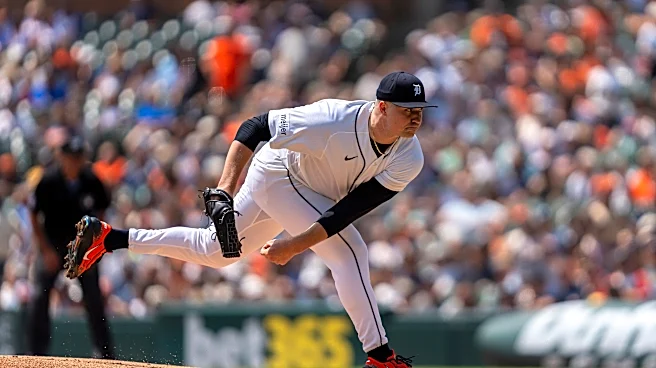
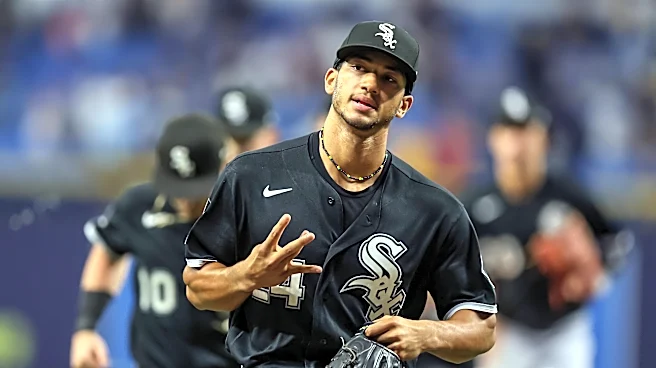
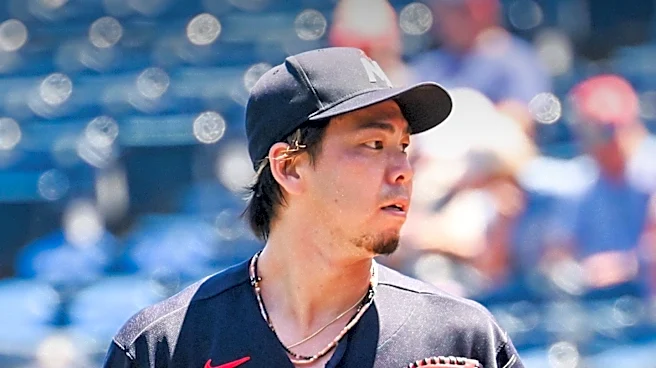
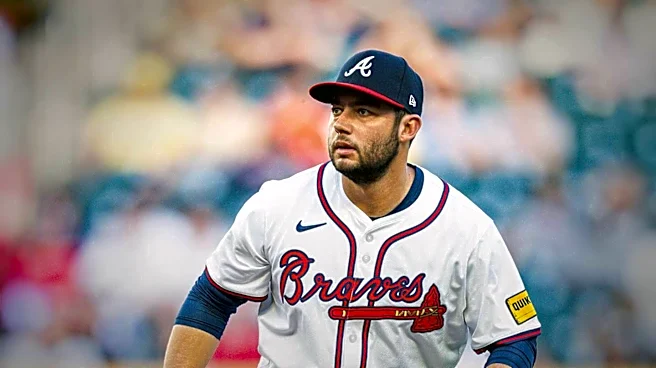
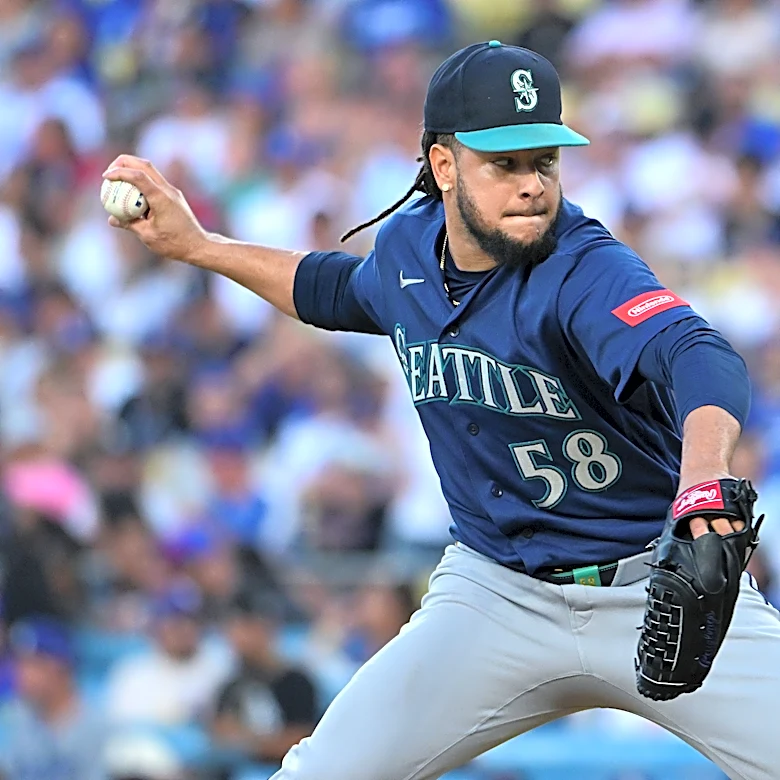
As the MLB trade deadline looms, teams across the league are actively engaging in trade discussions to bolster their rosters. The Arizona Diamondbacks have demoted closer Paul Sewald and are seeking relief pitching, highlighting their need for bullpen
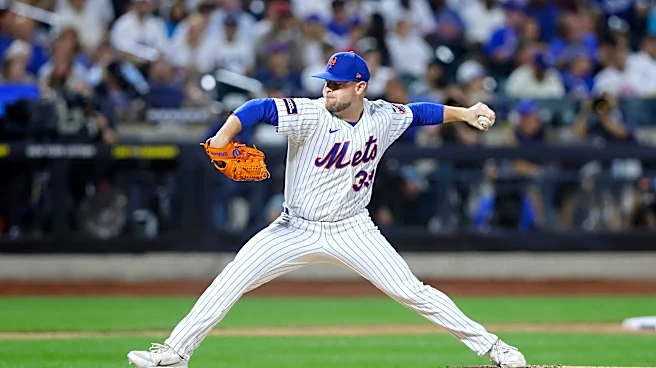
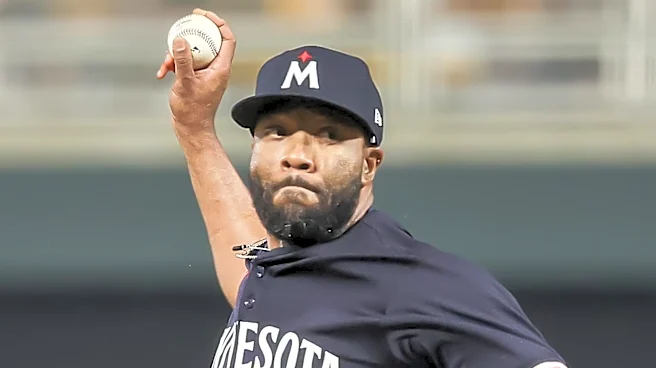
support. Meanwhile, the New York Yankees are under significant pressure to make strategic acquisitions, particularly in the outfield, due to injuries affecting key players like Aaron Judge. The Minnesota Twins have acquired left-handed pitcher A.J. Minter from the New York Mets, who in return receive minor league infielders. Additionally, the San Francisco Giants are willing to cover part of Robbie Ray's salary to facilitate a trade, aiming to acquire better prospects. These moves are part of a broader strategy by teams to strengthen their lineups before the deadline, which is set for August 3 at 6 p.m. ET.
Why It's Important?
The trade deadline is a critical period for MLB teams to address weaknesses and enhance their chances of success in the postseason. For teams like the Yankees, who are struggling offensively, acquiring new talent is essential to remain competitive. The Diamondbacks' focus on relief pitching underscores the importance of a strong bullpen in securing wins. The willingness of teams like the Giants to absorb salary costs indicates a strategic approach to acquiring high-value prospects, which can have long-term benefits. These trades not only impact the current season but also shape the future dynamics of the teams involved, influencing their competitive edge in the league.
What's Next?
As the deadline approaches, teams will continue to negotiate and finalize deals to meet their strategic needs. The outcomes of these trades will be closely watched, as they can significantly alter the playoff landscape. Teams like the Yankees and Diamondbacks will need to integrate new players quickly to maximize their impact. The decisions made during this period will also set the stage for future seasons, as teams balance immediate needs with long-term planning. Stakeholders, including fans and analysts, will be keenly observing how these trades affect team performance and playoff prospects.