






What's Happening?
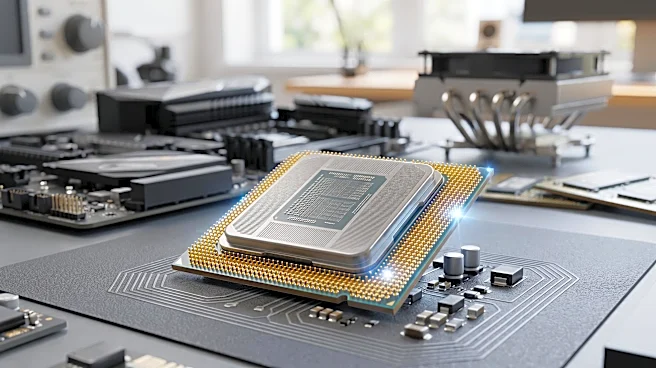
Intel has confirmed the existence of its Core Ultra 7 260K desktop processor, which is currently available only as a component within ABS prebuilt gaming computers sold through Newegg. According to Livemint, this limited availability means consumers cannot
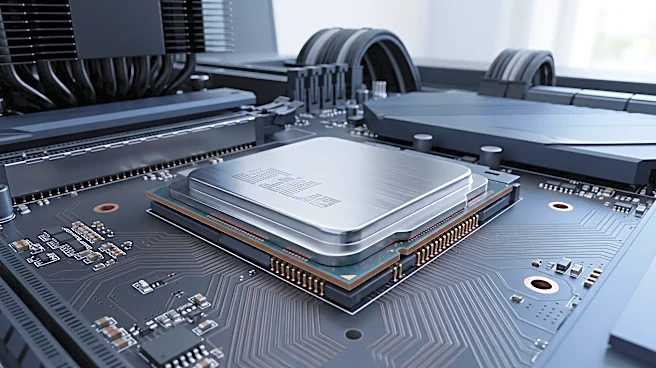
purchase the CPU separately. The processor first appeared in Newegg listings for two ABS gaming desktops, one paired with an Nvidia GeForce RTX 5060 and another with an RTX 5070 graphics card. Intel later confirmed to Tom's Hardware that the 260K is a limited-availability model, and its specifications have since been published on Intel's official product page. The Core Ultra 7 260K features 20 cores (eight performance, 12 efficiency), a maximum turbo frequency of 5.4 GHz, 30 MB of Intel Smart Cache, and supports up to 256 GB of DDR5 memory at 6400 MT/s, along with integrated Intel Graphics.
Why It's Important?
The exclusive availability of the Intel Core Ultra 7 260K in Newegg's ABS prebuilt systems has significant implications for the U.S. PC hardware market and consumers. This strategy limits consumer choice, forcing those interested in the 260K to purchase an entire gaming desktop rather than upgrading an existing system or building a custom PC. As Livemint notes, this approach could be a way for Intel to clear inventory of a slightly modified version of an existing Arrow Lake processor, as the 260K is not part of the newer Arrow Lake Refresh range which supports faster DDR5-7200 memory. For Newegg and ABS, this exclusivity provides a unique selling point for their prebuilt systems, potentially driving sales in a competitive market. However, it may frustrate PC enthusiasts who prefer the flexibility of purchasing individual components.
What's Next?
Intel has not announced plans to make the Core Ultra 7 260K available as a standalone retail processor. Therefore, consumers wishing to acquire this specific chip will likely need to continue purchasing the ABS prebuilt gaming desktops from Newegg. This situation may persist until Intel decides to release the processor more broadly or discontinues it in favor of newer models from the Arrow Lake Refresh range. The market will be watching to see if this limited-release strategy impacts sales of the prebuilt systems or if consumer demand for standalone CPUs eventually prompts a change in Intel's distribution approach for such models. The ongoing confusion regarding processor naming, as highlighted by Livemint, also suggests a need for clearer communication from Intel regarding its product lines.
Beyond the Headlines
The strategy of bundling a new processor exclusively within prebuilt systems, as seen with the Intel Core Ultra 7 260K, reflects a growing trend in the technology industry where manufacturers exert greater control over product distribution and integration. This approach can simplify the purchasing process for less tech-savvy consumers but can alienate the enthusiast community that values modularity and customization. Ethically, it raises questions about consumer choice and market transparency, especially when the processor is a slightly older variant compared to newer refresh models. This move could also be a tactic to boost sales of prebuilt systems during peak shopping seasons, leveraging the appeal of a 'new' processor. The long-term impact could be a shift in how consumers perceive and acquire PC hardware, potentially favoring integrated solutions over component-level purchases.