






What's Happening?
The Colonial Heights City Council has approved the sale of a 38-acre site at 301 Charles H Dimmock Parkway to Sina Hospitality for a $180 million sports complex project. The Henrico-based hotelier plans to develop the Sina Sports Complex, which will feature
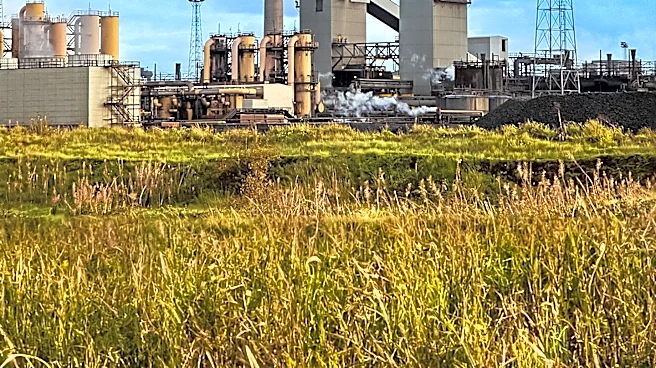
a minimum of six synthetic turf fields for soccer and other sports, a 130-room SpringHill Suites by Marriott, a Mellow Mushroom restaurant, concessions, and parking. Sina CEO Ravi Patel envisions a larger project with full-buildout costs potentially reaching $180 million, including multiple hotels with a total of 390 rooms, 300 apartments, and an additional restaurant. The project's general contractor is Chesapeake-based Hemmis Construction, with A4B Architecture designing and The Site Design Co. as the civil engineer. The council voted 6-1 in favor of the land sale, with Councilman John Wood casting the sole dissenting vote due to concerns about the project's terms and timeline for field development. The land, a former landfill, will require environmental mitigation, which Sina Hospitality will handle at an estimated cost of up to $7 million.
Why It's Important?
This project represents a significant economic development for Colonial Heights, a landlocked city seeking new investment and growth. Councilwoman Tricia Palmer highlighted the potential for the complex to generate substantial economic power by keeping visitors, particularly those attending youth sports tournaments, within the city to spend tax dollars on amenities like hotels and restaurants. This integrated approach, with on-site accommodations and dining, is expected to maximize local revenue capture. The development is projected to create 380 to 590 permanent, seasonal, and recurring jobs in operations, hospitality, and retail. However, the project also faces public criticism regarding the types of sports fields proposed and potential traffic impacts, indicating a need for careful planning and community engagement to ensure broad benefits and address concerns. The environmental mitigation of the brownfield site also underscores the complexities and costs associated with developing previously contaminated land.
What's Next?
Following the City Council's approval, the city manager is authorized to finalize the purchase agreement with Sina Hospitality, which is expected to acquire the land for $1. Sina Hospitality has committed a $1.8 million performance bond, allowing the city to claim compensation if obligations are not met, and the city retains the option to buy back the land for the fields if certain conditions are unfulfilled. Construction of the project's hotel and restaurant is slated to begin in January, with the fields expected to be completed within four years of the property's acquisition. The project will require rezoning. Sina Sports Travel, owned by Patel, will operate the fields, and Sina Hospitality will manage the hotels and restaurants. Discussions are ongoing regarding a revenue-splitting agreement between Sina and the city. The project will also involve relocating a city animal shelter and building a new road to retain public access to Roslyn Landing Park's Appomattox River launch.
Beyond the Headlines
The approval of the Sina Sports Complex project in Colonial Heights reflects a growing trend in regional economic development strategies that leverage sports tourism. Cities are increasingly investing in large-scale sports facilities to attract out-of-town visitors, generate revenue, and create jobs. This approach aims to diversify local economies and provide recreational opportunities for residents. However, such projects often spark debate regarding public investment, environmental considerations, and community needs. The concerns raised by Councilman John Wood and the public about the project's terms and the types of fields highlight the importance of aligning development with community expectations and ensuring accountability from developers. The project's success will depend not only on its economic impact but also on its ability to integrate seamlessly into the existing community, address traffic concerns, and provide facilities that genuinely benefit local youth and residents.