


What's Happening?
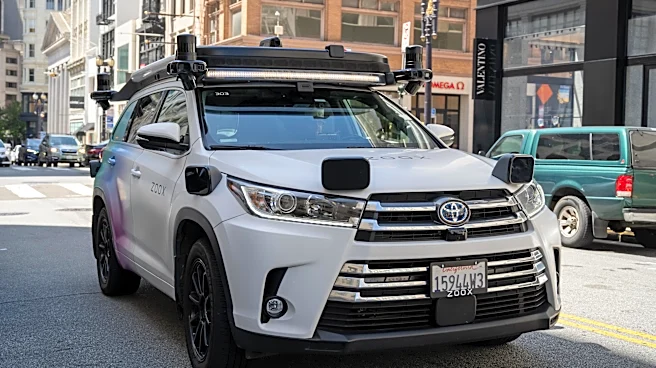
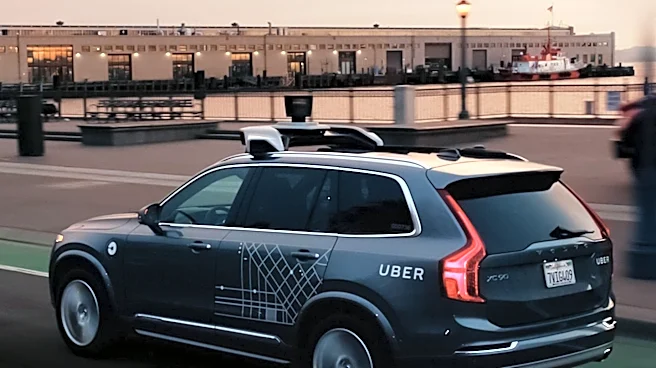
Uber is preparing to launch a dedicated autonomous vehicle option within its app, with Las Vegas slated to be the first U.S. city where riders can access this feature. According to Uber CEO Dara Khosrowshahi, this will occur as the availability and reliability
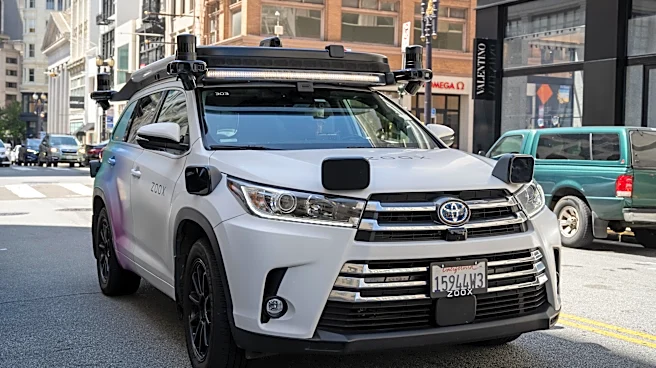
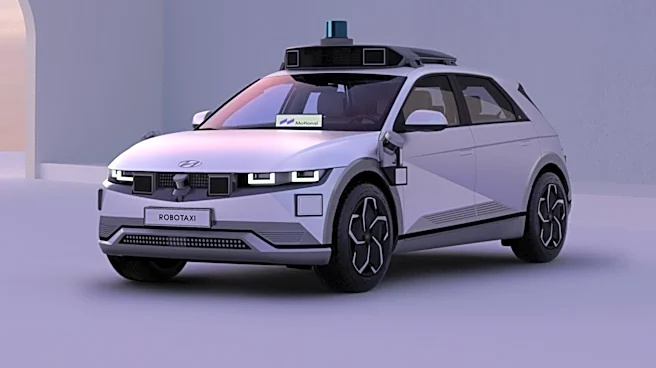
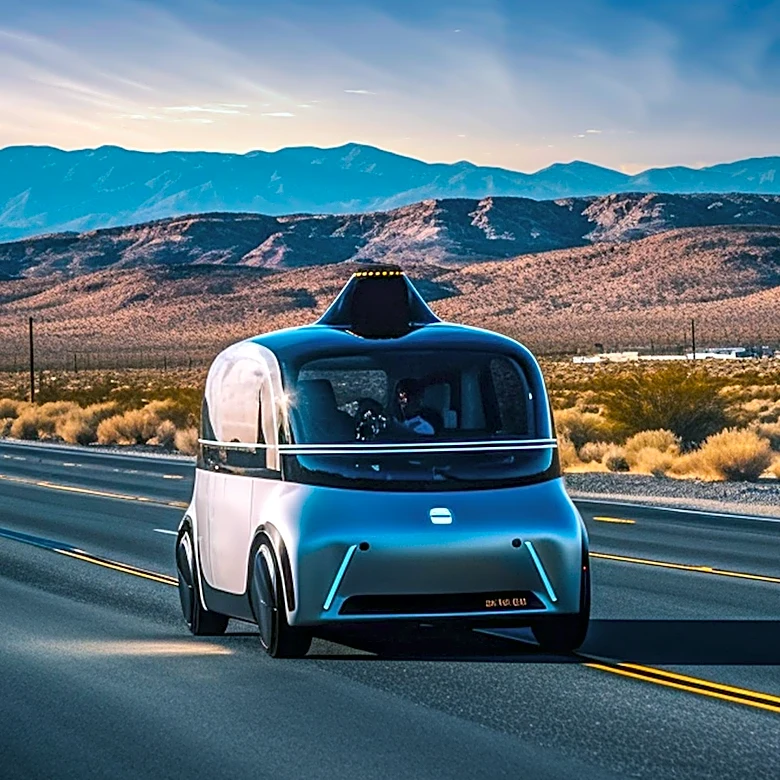
of self-driving technology improve. Currently, riders in Las Vegas using the Uber app may be matched with a robotaxi if one is available, but they cannot directly select it. The upcoming change will allow users to specifically choose a fully driverless ride. This initiative includes partnerships with two autonomous vehicle providers: Zoox, which has already launched on the Uber app in Las Vegas, and Motional, Hyundai's self-driving subsidiary. This move signifies a strategic shift for Uber, aiming to integrate autonomous services more prominently into its ride-hailing platform and offer consumers a direct choice between human-driven and robotaxi services.
Why It's Important?
This development is significant for the U.S. transportation industry, particularly for the future of ride-hailing and the adoption of autonomous vehicles. By offering a dedicated robotaxi option, Uber is creating a real-world 'A/B test' to gauge consumer preference between human drivers and self-driving cars. This could have profound implications for the gig economy and the livelihoods of human drivers, as price may become a key differentiator for customers. Las Vegas, a major tourist destination, will serve as a crucial proving ground for the commercial viability and public acceptance of robotaxis. The success or challenges encountered in Las Vegas could influence the rollout of similar services in other U.S. cities, potentially accelerating or decelerating the broader integration of autonomous technology into daily life. Furthermore, this move could intensify the debate around organized labor in the transportation sector as robotaxis compete directly with human drivers.
What's Next?
As Uber rolls out its dedicated autonomous option, the immediate focus will be on monitoring rider adoption and satisfaction in Las Vegas. The company will likely analyze data on ride preferences, pricing sensitivity, and operational efficiency to refine its autonomous vehicle strategy. This initiative could also prompt other ride-hailing companies and autonomous vehicle developers to accelerate their own deployment plans and competitive offerings. The potential impact on human drivers in Las Vegas will be closely watched, possibly leading to discussions or actions from labor organizations regarding job security and fair competition. The regulatory landscape for autonomous vehicles, which varies by state and city, may also face increased scrutiny and potential adjustments as these services become more prevalent and directly selectable by consumers.
Beyond the Headlines
The introduction of a dedicated robotaxi option by Uber in Las Vegas extends beyond mere technological advancement; it touches upon deeper societal and economic transformations. Ethically, it raises questions about the future of work and the displacement of human labor by automation, particularly in service industries. Legally, it could necessitate clearer frameworks for liability in autonomous vehicle accidents and the regulation of pricing models that differentiate between human and robotaxi services. Culturally, it represents a significant step in normalizing autonomous technology for everyday use, potentially shifting public perception and trust in self-driving cars. This move could also trigger long-term shifts in urban planning, traffic management, and the overall infrastructure required to support a widespread autonomous transportation network, fundamentally altering how people move within U.S. cities.