
What's Happening?
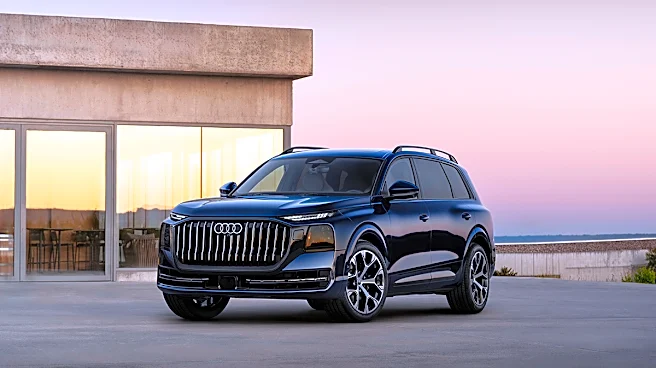
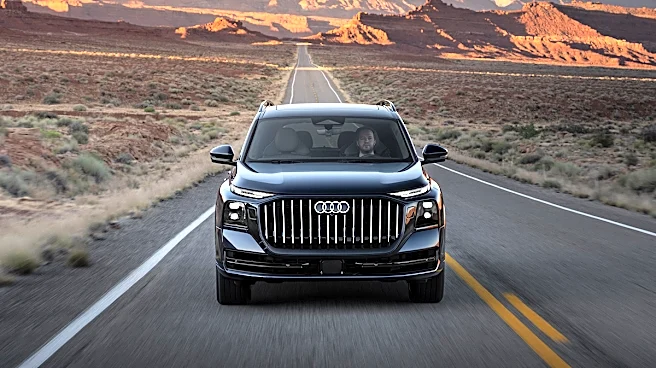
Audi has introduced the Q9 SUV, a large vehicle designed to replace its A8 luxury saloon. The Q9 is aimed primarily at the North American and Middle Eastern markets, featuring substantial dimensions that make it larger than its German competitors, the BMW
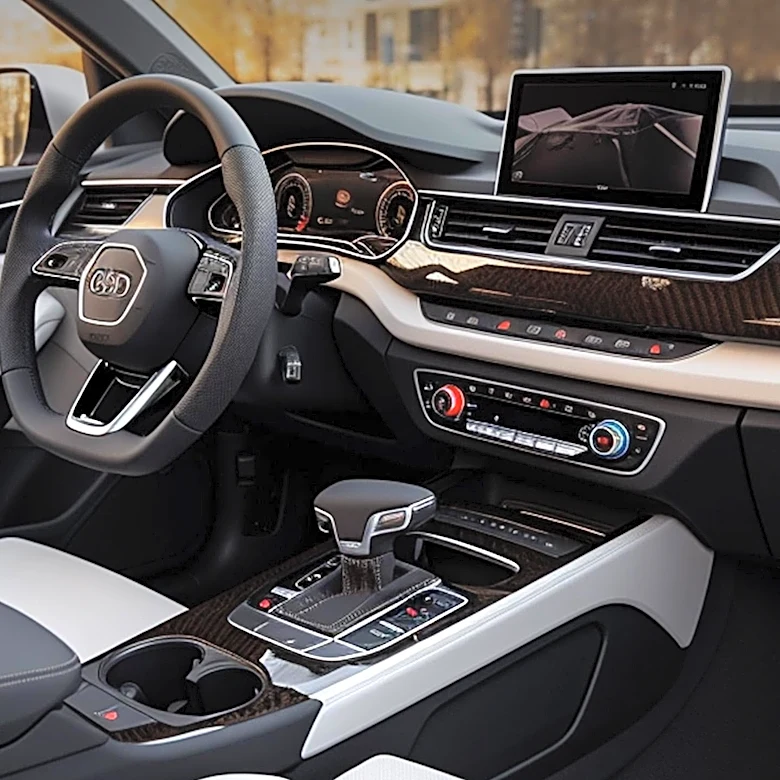
X7 and Mercedes GLS. The SUV offers two interior configurations: a standard seven-seat layout and a six-seat option with individual chairs in the second row. The Q9 includes advanced features such as automatic doors and a digital-heavy interior with multiple touchscreens. Audi's CEO, Gernot Döllner, emphasized that the Q9 represents a shift towards a more digital and luxurious in-car experience, aligning with Audi's 'Vorsprung durch Technik' ethos.
Why It's Important?
The launch of the Audi Q9 SUV signifies a strategic move by Audi to capture a larger share of the luxury SUV market, particularly in regions where larger vehicles are in demand. By replacing the A8 saloon with the Q9, Audi is responding to changing consumer preferences that favor SUVs over traditional sedans. This shift could enhance Audi's competitiveness against rivals like BMW and Mercedes, who have established presences in the luxury SUV segment. The Q9's focus on digital features and luxury aligns with broader industry trends towards more technologically advanced and comfortable vehicles.
What's Next?
Audi's introduction of the Q9 SUV may lead to further developments in its product lineup, potentially influencing the design and features of future models. The company might also explore additional markets for the Q9, depending on its reception in North America and the Middle East. As the automotive industry continues to evolve, Audi's emphasis on digital innovation and luxury could set new standards for competitors. The success of the Q9 could encourage Audi to expand its SUV offerings and further integrate advanced technologies into its vehicles.