




What's Happening?
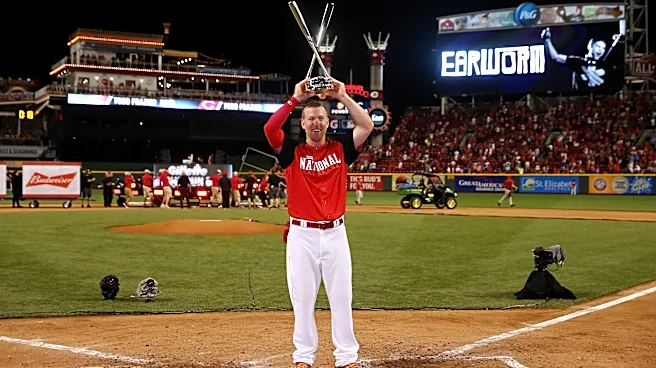
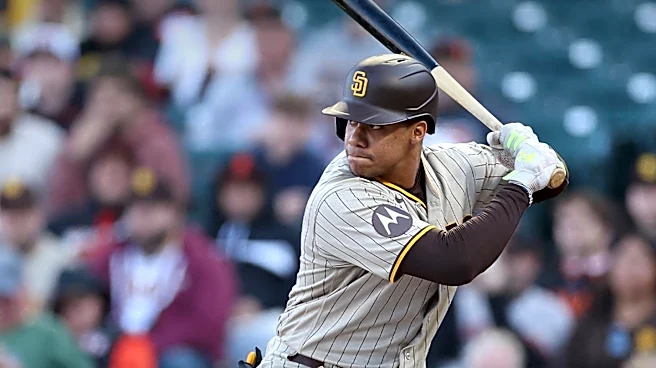
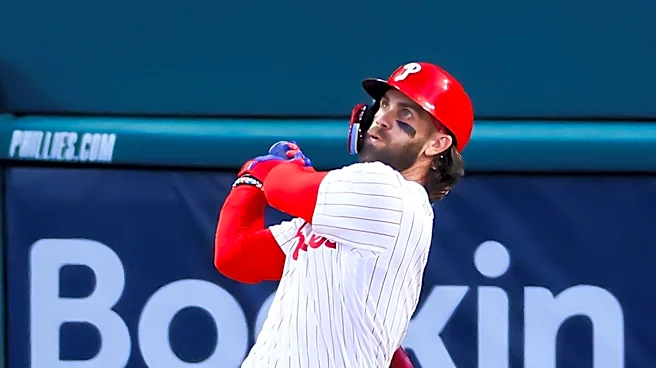
Netflix has partnered with Major League Baseball (MLB) to host the Home Run Derby for the first time, marking a significant shift from ESPN, which had aired the event for over three decades. The event is set to take place in Philadelphia, featuring unique
marketing elements such as bejeweled trucks and appearances by Netflix talent. This collaboration is part of a three-year deal, with Netflix aiming to bring a fresh perspective to the event. Previously, Netflix has streamed MLB games, including the New York Yankees' Opening Day shutout against the San Francisco Giants. Kenny Gersh, MLB's executive vice president of media, business development, and product, highlighted the difference between a regular game and the pageantry of the Home Run Derby, suggesting that Netflix's approach could enhance the event's entertainment value.
Why It's Important?
This partnership between Netflix and MLB represents a strategic move for both entities. For Netflix, it signifies an expansion into live sports broadcasting, a domain traditionally dominated by networks like ESPN. This could potentially attract a new audience segment to Netflix, diversifying its content offerings beyond scripted series and films. For MLB, the collaboration offers an opportunity to reach a broader, possibly younger audience through Netflix's platform, which is known for its innovative content delivery and marketing strategies. The partnership could set a precedent for future collaborations between streaming services and sports leagues, potentially reshaping how sports events are marketed and consumed.
What's Next?
As Netflix embarks on this three-year deal with MLB, the industry will be watching closely to see how the streaming giant handles live sports events. Success in this venture could lead to further partnerships with other sports leagues, expanding Netflix's portfolio and influence in the sports broadcasting arena. Additionally, the response from audiences and advertisers will be crucial in determining the future of such collaborations. If successful, this could encourage other streaming platforms to explore similar partnerships, potentially transforming the landscape of sports broadcasting.