



What's Happening?
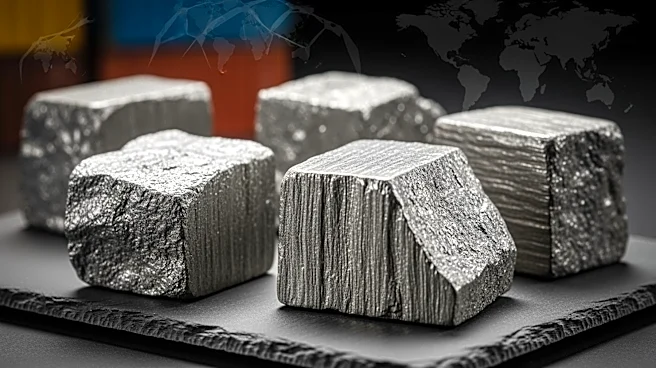
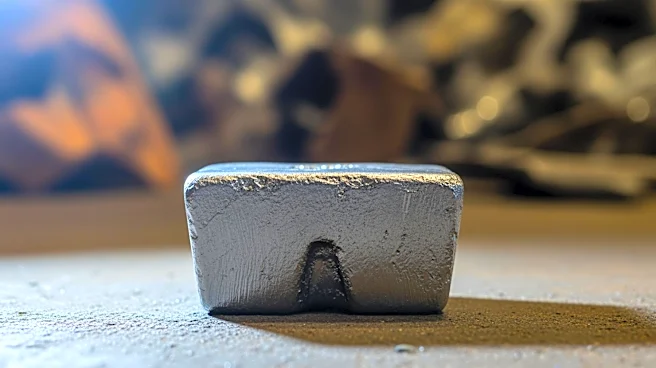
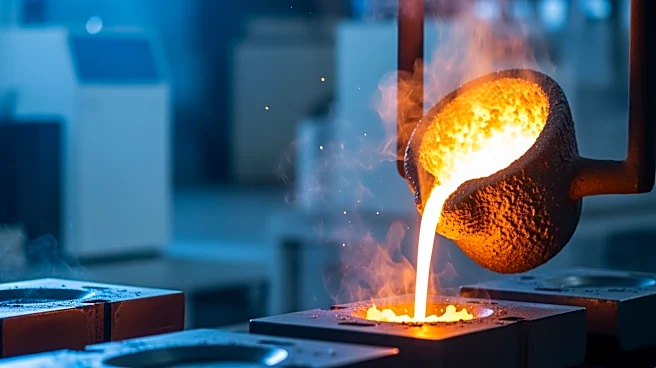
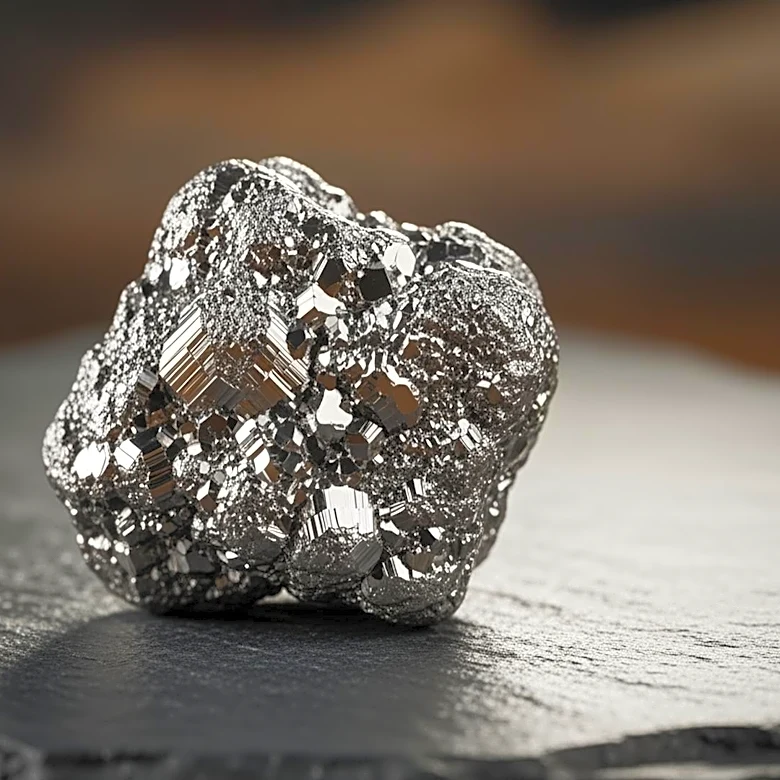
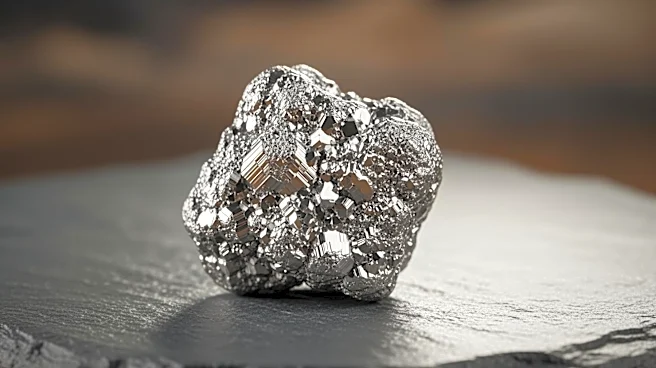
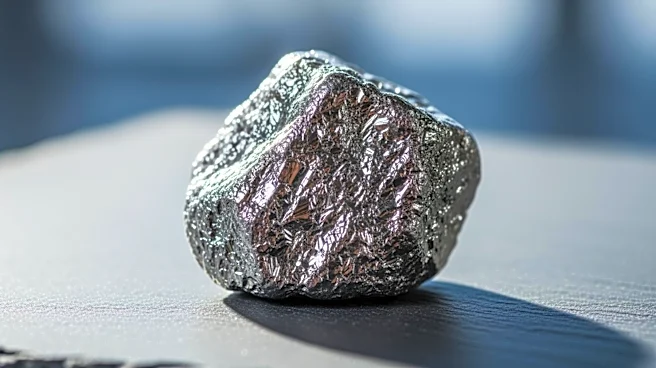
Rio Tinto and China Baowu have concluded trials using a hydrogen-based shaft furnace to produce direct reduced iron (DRI) from Pilbara Blend iron ore. Conducted in China, these trials are part of a collaboration to reduce emissions in steelmaking. The
DRI was transformed into steel using a basic oxygen furnace and tested in a small-scale electric smelting furnace. This process demonstrates the potential of mid-grade ores from Western Australia's Pilbara region for hydrogen-based direct reduction, suggesting a path towards low-carbon steelmaking. The trials fulfill a memorandum of understanding signed in 2023 between the two companies to explore decarbonization technologies.
Why It's Important?
The successful trials represent a significant step towards decarbonizing the steel industry, which is a major source of global emissions. By demonstrating the viability of using mid-grade ores for hydrogen-based reduction, the initiative expands feedstock and fuel options for the industry. This could lead to more sustainable steel production methods, aligning with global efforts to reduce carbon emissions. The collaboration between Rio Tinto and China Baowu highlights the importance of international partnerships in advancing technological innovations for a sustainable future.
What's Next?
Following the successful trials, both companies are expected to continue their collaboration on decarbonization projects. The focus will likely be on scaling up the technology for broader industrial application. This could involve further research and development to optimize the process and integrate it into existing steel production facilities. The outcomes of these efforts could influence industry standards and practices, promoting wider adoption of low-carbon technologies in steelmaking.