




What's Happening?
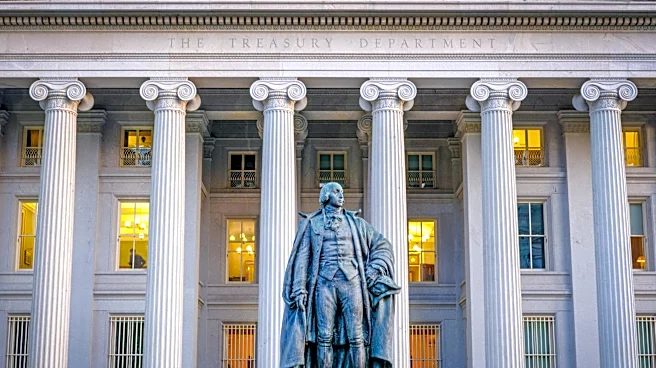
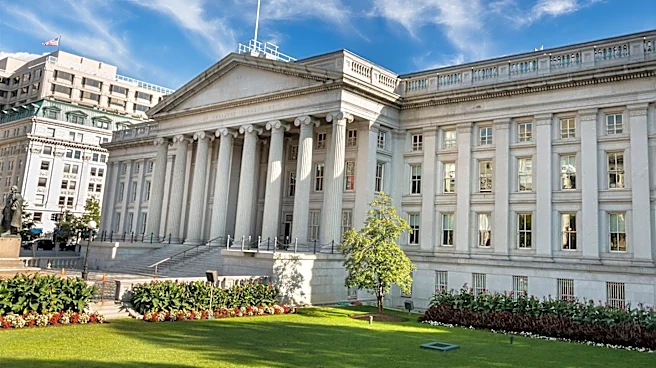
The Government Accountability Office (GAO) has released a report criticizing the U.S. Department of the Treasury for its inconsistent and non-transparent application of the 'Surplus Commodities Rule' (22 U.S.C. § 262h). This rule mandates that the U.S. oppose
funding for projects in Multilateral Development Institutions (MDIs) that increase the production of commodities in surplus on world markets, especially if such exports would harm U.S. producers. The report, requested by Congressmen Comer (R-KY), Higgins (R-LA), and Nehls (R-TX) of the House Oversight Committee, found that Treasury supported at least $200 million in shrimp aquaculture projects between 2015 and 2025 that implicated this rule. These projects contributed to falling prices and rising costs for domestic shrimpers. The GAO identified a lack of clear, actionable criteria within Treasury for determining what commodities are subject to the rule, assessing market surplus, and evaluating substantial injury to U.S. producers. Treasury officials admitted to rarely applying existing criteria and often citing general 'economic and policy considerations' instead of the specific rule when voting against projects.
Why It's Important?
The GAO's findings highlight a significant issue for U.S. industries, particularly the domestic shrimping sector, which has been negatively impacted by foreign aquaculture projects funded with U.S. tax dollars. The inconsistent application of the Surplus Commodities Rule means that a protective measure intended to safeguard American producers is not being effectively utilized. This situation allows foreign competitors, such as Ecuador, to expand their shrimp production with MDI funding, leading to increased global supply and downward pressure on prices, directly harming U.S. shrimpers. The lack of transparency and clear guidelines within the Treasury Department creates an uneven playing field and undermines the intent of the 1986 rule. This also raises questions about accountability and the effective use of U.S. funds in international development, as domestic industries bear the economic consequences.
What's Next?
The GAO has issued four recommendations to the Treasury Department to improve transparency and consistency in applying the Surplus Commodities Rule. These include updating guidance with specific criteria for identifying commodities, assessing market surplus, and evaluating substantial injury to U.S. producers. Additionally, the GAO recommends that Treasury explicitly include in the public voting record when a project implicates the rule. Treasury has concurred with these recommendations and committed to more explicitly identifying when the rule is applied. The Southern Shrimp Alliance has stated it will continue to monitor Treasury's voting decisions and press for full compliance with U.S. laws. The implementation of these recommendations could lead to a more consistent and transparent approach by Treasury, potentially offering greater protection to U.S. industries from foreign competition supported by MDI funding.
Beyond the Headlines
The issues raised by the GAO report extend beyond the immediate impact on the shrimp industry, touching upon broader themes of international trade policy, the role of U.S. influence in multilateral institutions, and the balance between global development and domestic economic protection. The report suggests a systemic issue where a lack of clear internal policy and accountability can lead to unintended consequences for U.S. industries. It highlights the challenge of ensuring that U.S. foreign policy and financial contributions align with domestic economic interests. The situation also underscores the ongoing tension between supporting international development projects and safeguarding specific U.S. sectors from adverse competition. The effectiveness of the Surplus Commodities Rule, despite being 40 years old, depends entirely on its rigorous and transparent application, which the report indicates has been lacking.