

What's Happening?
Homeowners are increasingly considering sheds not just for storage but as versatile spaces that can be converted into additional rooms, according to Houzz. The trend highlights a shift towards maximizing property utility, especially when living space is
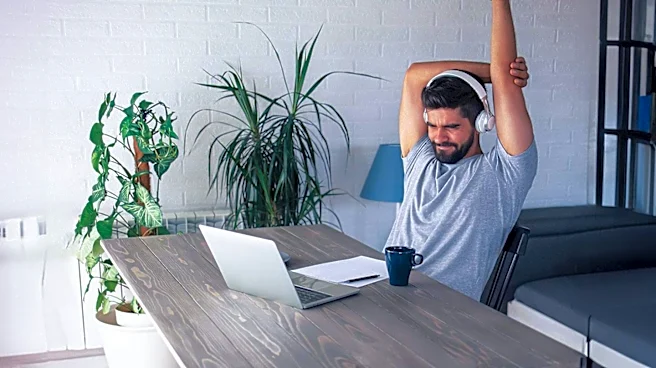
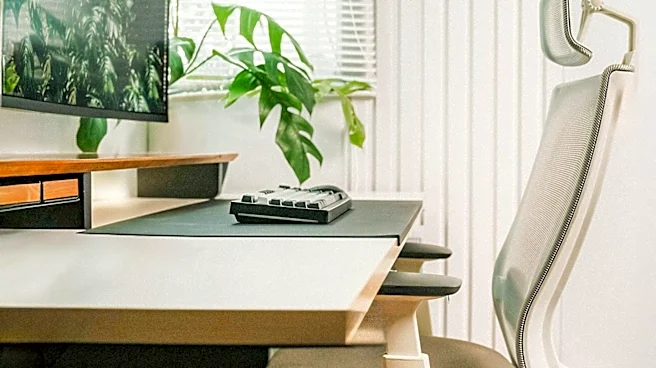
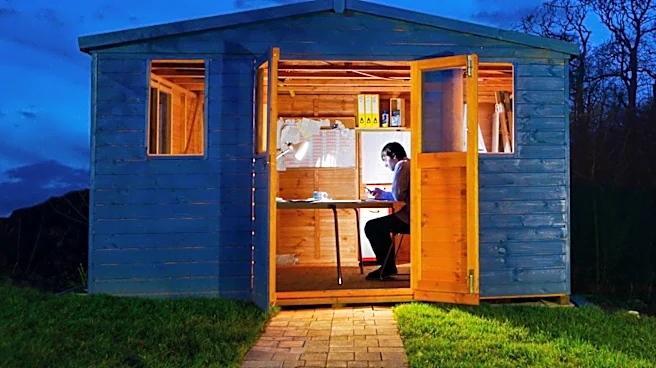
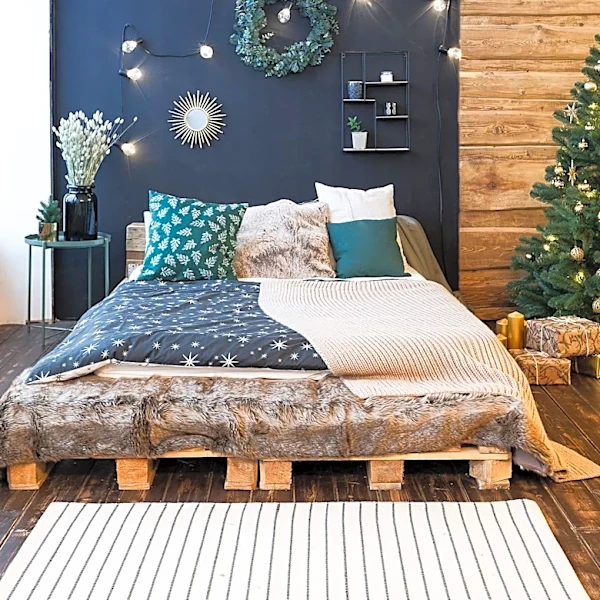
a concern. Sheds are being reimagined as home offices, guest bedrooms, craft rooms, playhouses, or outdoor playrooms. This conversion process requires careful planning, including ensuring compliance with local ordinances, adequate ventilation, proper lighting, and sufficient insulation to accommodate seasonal temperature changes. The design of these converted sheds often mirrors the main home's aesthetic or offers a distinct style, treating the shed as an extension of the living area. Accessories like lofts, windows, skylights, shelves, and workbenches are popular additions to enhance functionality and comfort within these transformed structures.
Why It's Important?
This trend signifies a growing demand for flexible living solutions and efficient use of existing property in the U.S. As housing costs rise and remote work becomes more prevalent, converting sheds offers a cost-effective alternative to traditional home additions or relocations. It provides homeowners with the ability to create dedicated workspaces, private retreats, or recreational areas without undertaking extensive construction projects. This approach can also increase property value by adding functional square footage. The emphasis on compliance with local ordinances underscores the importance of regulatory awareness in home improvement projects, ensuring safety and legality. The versatility of shed conversions caters to diverse household needs, from supporting small businesses run from home to providing extra space for growing families or hobbies.
What's Next?
The continued interest in shed conversions suggests a potential rise in demand for specialized shed designs, modular units, and professional services tailored to these transformations. Manufacturers may offer more customizable shed kits equipped with features like pre-installed insulation, wiring conduits, and enhanced window options. Local municipalities might also see an increase in permit applications for shed conversions, potentially leading to clearer guidelines or streamlined processes for such projects. Furthermore, the market for shed accessories and interior design services for these smaller spaces is likely to expand, offering homeowners more options to personalize their converted sheds. Educational resources and online platforms providing guidance on DIY shed conversions, zoning laws, and design ideas are also expected to grow.
Beyond the Headlines
The repurposing of sheds reflects a broader cultural shift towards sustainability and resourcefulness in homeownership. It encourages a 'make do and mend' mentality, transforming existing structures rather than always building new ones. This trend also touches upon the evolving definition of 'home,' where boundaries between living, working, and leisure spaces become more fluid and integrated within a single property. Ethically, it promotes efficient land use and can reduce the environmental impact associated with larger construction projects. Legally, the varying local ordinances highlight the complex patchwork of regulations governing property modifications, which can be a barrier for some homeowners. Culturally, these backyard studios and offices represent a desire for personal space and autonomy, allowing individuals to carve out dedicated areas for their passions and professions within the confines of their own property.