





What's Happening?
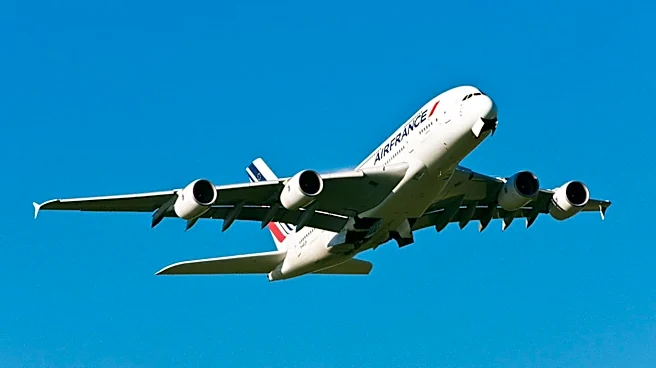
Air France-KLM has reported a significant 71% drop in net profits for the second quarter of 2026, amounting to 190 million euros, compared to 649 million euros in the same period last year. This decline is attributed to a substantial increase in fuel
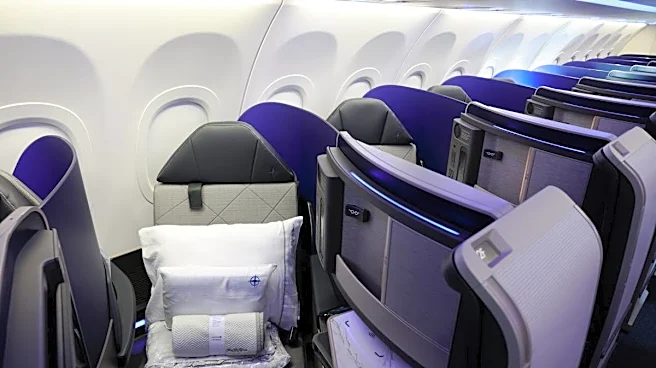
costs, which rose by 804 million euros due to geopolitical instability. Despite this, the airline group managed to increase its revenue by 9.9% year-on-year, reaching 9.3 billion euros, and transported 28.3 million passengers, a 3.9% increase. The group has been able to offset 85% of the fuel cost increase through higher unit revenues, particularly in premium and long-haul segments.
Why It's Important?
The financial performance of Air France-KLM highlights the vulnerability of the airline industry to fluctuations in fuel prices, which remain a significant cost factor. The ability of the group to partially offset these costs through strategic pricing and premium services underscores the importance of flexible business models in the aviation sector. This situation also reflects broader economic challenges faced by airlines globally, as they navigate geopolitical tensions and volatile energy markets. The results may influence investor confidence and strategic decisions within the industry, particularly regarding cost management and service offerings.
What's Next?
Air France-KLM plans to adjust its capacity growth forecast for 2026, now expected to be between 2% and 3%, down from the previous 2% to 4%. The group will continue to focus on premium services and long-haul routes to maintain revenue growth. Additionally, the airline will monitor geopolitical developments and fuel price trends closely, adapting its network and pricing strategies as needed. The ongoing fleet renewal, with a focus on new-generation aircraft, will also be a priority to improve fuel efficiency and reduce operational costs.