







What's Happening?
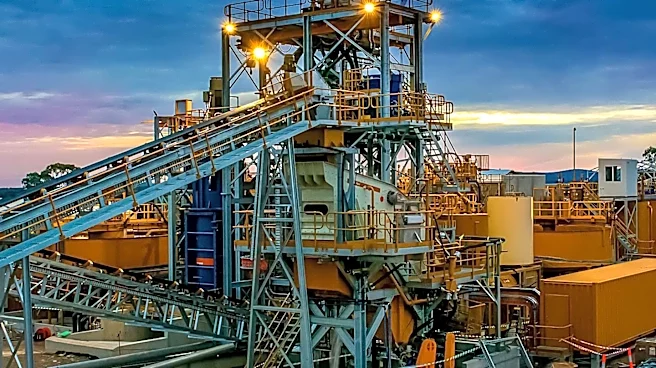
FM Global, a mining insurer, is leveraging AI-powered analytics and extensive site visits to strengthen risk foresight and reduce loss severity in mining operations. Their engineering team conducts over 600 annual visits to mineral sites and facilities,
collecting hundreds of structural data points. This data informs AI models that prioritize actions to most effectively mitigate potential losses. Recent data from FM Global indicates that nearly a third (30%) of losses in Australian mining operations originate from just 2% of locations. Fire is identified as the leading cause of severe losses, with hot work being the primary contributor. The insurer emphasizes the need for comprehensive controls beyond simple permits for hot work, including task-specific hazard analysis, equipment labeling, system isolation, and appropriate timing and supervision. The company's Global Mining Report highlights that losses are often shaped by system interactions and escalation, rather than isolated failures.
Why It's Important?
This initiative by FM Global is significant for the U.S. mining industry and its insurers, as it introduces advanced, data-driven approaches to risk management. By proactively identifying and mitigating high-risk areas and activities, mining companies can potentially reduce operational disruptions, financial losses, and improve safety records. The focus on AI-powered analytics and detailed site assessments offers a more predictive and preventative model compared to traditional reactive insurance approaches. This could lead to more stable insurance premiums for mining companies and a more resilient supply chain for critical minerals. Furthermore, by addressing the root causes of severe losses, such as inadequate hot work controls and equipment failures, the industry can enhance worker safety and environmental protection. The emphasis on business continuity and resilience, driven by understanding restart complexities, is crucial for maintaining operational stability in a sector vital to the U.S. economy.
What's Next?
FM Global plans to continue refining its advanced analytics models by incorporating new engineering and loss data, aiming to strengthen predictive accuracy over time. This ongoing development suggests a continuous evolution in risk management strategies for the mining sector. Mining companies are likely to see increased recommendations and requirements from insurers regarding risk mitigation practices, particularly concerning hot work and maintenance strategies. There may be a push for greater adoption of AI and data analytics within the industry to improve operational resilience. Stakeholders, including regulatory bodies and industry associations, might also consider incorporating these data-driven insights into best practices and safety guidelines, potentially leading to updated industry standards for risk assessment and loss prevention. The focus on understanding restart complexities will likely lead to more detailed contingency planning for operational disruptions.
Beyond the Headlines
The adoption of AI and advanced analytics in mining insurance signifies a broader trend of technological integration across industrial sectors to enhance safety and efficiency. This shift moves beyond traditional risk assessment to a more predictive and proactive paradigm, potentially setting new benchmarks for industrial insurance. The insights gained from FM Global's data, particularly regarding the disproportionate impact of a small percentage of locations on overall losses, could prompt a re-evaluation of resource allocation for risk management. It also highlights the ethical imperative for companies to invest in robust safety protocols, especially for high-risk activities like hot work, to protect both human life and environmental integrity. The long-term implications could include a more resilient and sustainable mining industry, better equipped to handle unforeseen challenges and minimize its footprint.