




What's Happening?
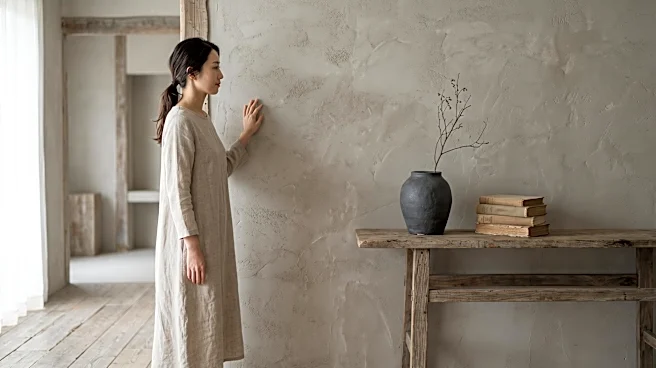
Japandi style, a design philosophy blending Japanese and Scandinavian principles, is gaining prominence for its emphasis on natural, durable materials and warm minimalism. This approach, as described by Anton Wörmann, involves thoughtful material selection
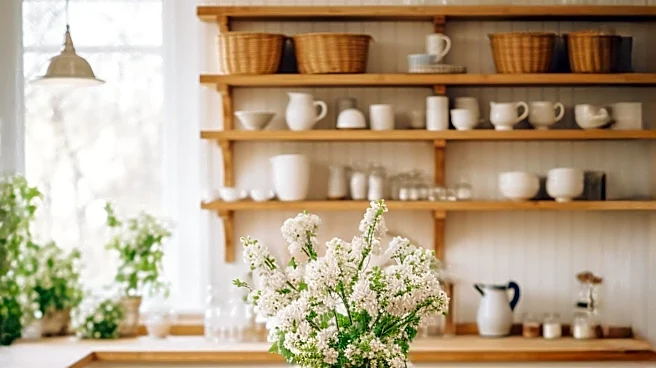
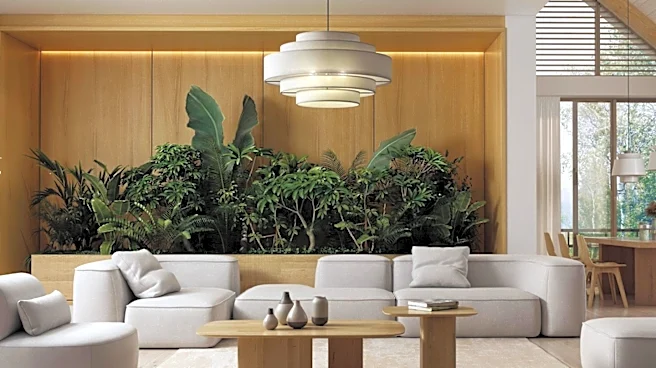
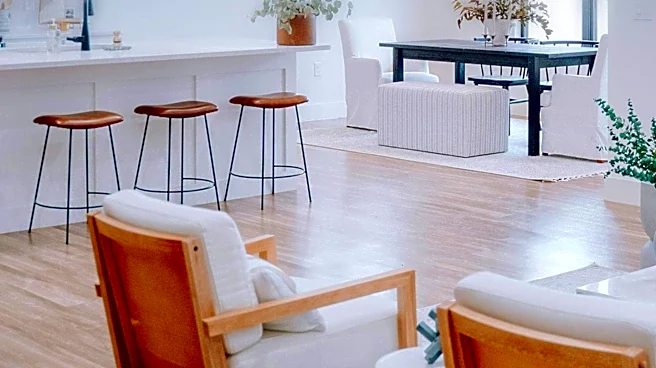
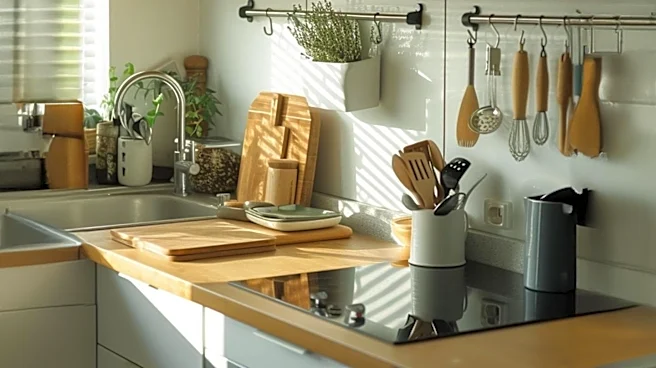
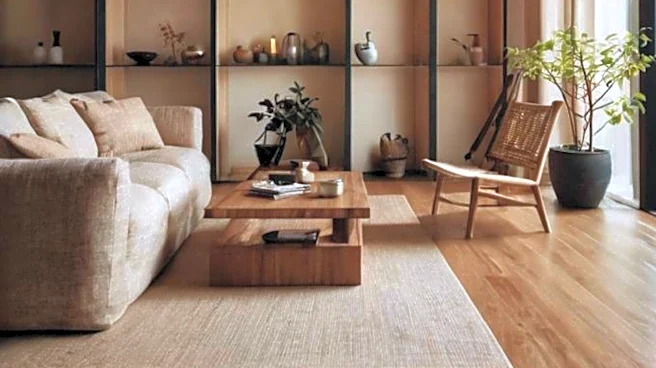
and creating spaces designed to age gracefully. Key elements include tatami rooms, shoji doors, natural wood floors, and Japanese tiles, which are being reintroduced into contemporary designs. The Scandinavian influence contributes to the focus on natural and durable materials, reminiscent of older homes where original wooden floors could be refinished rather than replaced. Wörmann highlights that Japandi is not about slavishly reproducing traditional interiors but rather about elevating a space through good materials and a minimalist aesthetic. This design trend is being applied in various contexts, including the renovation of properties, and is characterized by its grounding effect through textured elements and earthy decor.
Why It's Important?
The rise of Japandi style signifies a broader shift in design preferences towards sustainability, longevity, and a more mindful approach to living spaces. For the U.S. interior design and real estate industries, this trend presents new opportunities and challenges. It encourages the use of high-quality, natural materials, potentially boosting demand for sustainable sourcing and craftsmanship. Consumers are increasingly seeking homes that offer both aesthetic appeal and practical durability, aligning with Japandi's core tenets. This could influence architectural trends, material manufacturing, and even furniture design, as companies adapt to meet the demand for warm minimalism and enduring quality. Furthermore, the emphasis on creating spaces that age well could lead to a reduction in disposable design practices, promoting a more environmentally conscious approach to home decor and construction.
What's Next?
The continued popularization of Japandi style is likely to lead to its broader adoption in U.S. residential and commercial design projects. We can anticipate an increase in interior designers specializing in this aesthetic, as well as a greater availability of Japandi-inspired furniture, textiles, and decor in retail markets. Educational institutions may begin incorporating Japandi principles into their design curricula, further solidifying its presence in the industry. Additionally, as more homeowners and businesses embrace this style, there could be a growing demand for skilled artisans and builders proficient in working with traditional Japanese and Scandinavian materials and techniques. The trend may also influence the renovation market, with a focus on transforming existing spaces into warm, minimalist environments that prioritize natural elements and longevity.
Beyond the Headlines
Beyond its aesthetic appeal, Japandi style embodies a deeper cultural and philosophical integration. It reflects a growing appreciation for the Japanese concept of 'wabi-sabi,' which finds beauty in imperfection and transience, combined with the Scandinavian 'hygge,' emphasizing coziness and well-being. This fusion offers a counter-narrative to fast-paced consumerism, promoting a lifestyle centered on simplicity, functionality, and a connection to nature. The adoption of Japandi in the U.S. could signify a broader cultural shift towards valuing quality over quantity, and a desire for living spaces that foster tranquility and mindfulness. It also highlights the increasing global exchange of design ideas, where distinct cultural aesthetics can merge to create innovative and meaningful environments that resonate with diverse audiences.