





What's Happening?
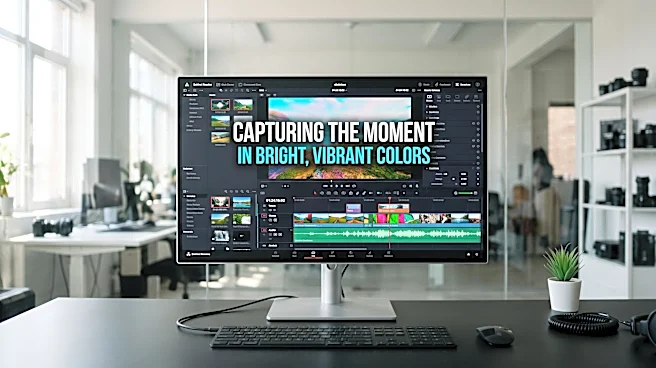
Captelli has launched an auto caption maker designed for video creators to streamline the process of adding subtitles to their content. This tool allows users to convert spoken words into styled video subtitles automatically, edit the text, and refine
the timing without manual transcription. The application is particularly aimed at creators producing short-form videos for platforms like Instagram Reels, TikTok, and YouTube Shorts. It offers features such as speech-to-text recognition, a subtitle editor for fine-tuning captions, and customization options for fonts, text size, colors, outlines, and backgrounds. The goal is to help viewers follow video messages even when watching with the sound off, thereby increasing accessibility and engagement. Creators can save their preferred caption styles for consistent branding across their videos and export captioned videos with subtitles embedded directly into the picture.
Why It's Important?
The introduction of Captelli's auto caption maker is significant for the growing digital content creation industry, particularly for those focusing on short-form video. By automating the captioning process, the tool addresses a critical need for efficiency, allowing creators to spend less time on transcription and more on content creation. This enhanced accessibility is crucial for reaching a broader audience, including individuals who are deaf or hard of hearing, or those who prefer to watch videos without sound in various environments. The ability to customize caption styles also allows creators to maintain brand consistency and visual identity, which is vital in a competitive digital landscape. For businesses and individuals relying on video content for marketing and communication, this tool can lead to increased viewership, better audience retention, and improved overall message delivery, ultimately impacting their reach and potential revenue.
What's Next?
As more creators adopt tools like Captelli, the standard for video accessibility and engagement is likely to rise across social media platforms. The demand for integrated and customizable captioning solutions will continue to grow, potentially leading to further advancements in speech-to-text accuracy and styling options. Content creators will likely integrate such tools into their regular workflow, making captioned videos a norm rather than an exception. This could also prompt social media platforms themselves to enhance their native captioning features or integrate with third-party solutions more seamlessly. The focus on accessibility will continue to expand, influencing how digital content is produced and consumed, with a greater emphasis on inclusive design from the outset.
Beyond the Headlines
The rise of automated captioning tools like Captelli highlights a broader societal shift towards digital inclusivity and accessibility. Beyond the immediate benefits for content creators, these tools contribute to a more equitable digital environment where information is accessible to a wider demographic. This development also touches upon the ethical considerations of AI in content creation, particularly regarding the accuracy and potential biases in speech-to-text recognition. As AI technology advances, the quality and reliability of auto-generated captions will improve, further blurring the lines between human and machine-generated content. This trend could also influence educational content, public service announcements, and corporate communications, making them more universally understandable and compliant with accessibility standards, fostering a more connected and informed society.