




What's Happening?
Robert and Michelle King, the acclaimed creators behind series like 'The Good Wife' and 'The Good Fight,' are launching a new legal drama titled 'Cupertino.' This series aims to critique the power dynamics and ethical issues prevalent in Silicon Valley,
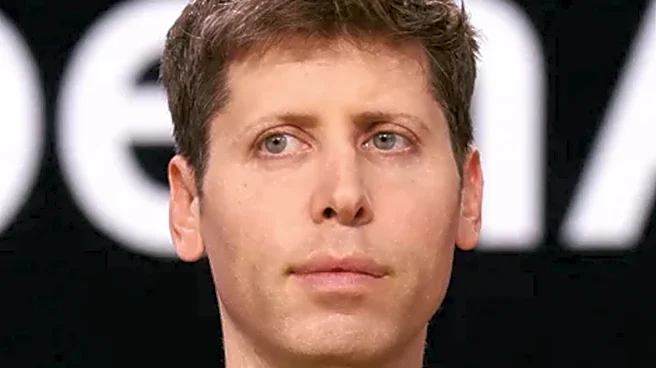
particularly in the age of artificial intelligence. The Kings have openly expressed their critical view of tech billionaires and the unchecked power within the industry. They specifically reference a quote from OpenAI CEO Sam Altman, who stated, 'The world should accept some bad things happening for the benefits of this technology,' using it as a tagline for their show. 'Cupertino' focuses on the 'invisible victims' of Silicon Valley, with each episode centering on individuals who have been negatively impacted by the tech giants. The show features protagonists Michael, an experienced attorney, and Olivia, a junior attorney, who team up to represent these individuals, highlighting issues such as sexism, worker exploitation, and conflicts of interest within the tech world. The Kings, who grew up in the region, draw on personal experiences and observations of Silicon Valley's evolution.
Why It's Important?
The series 'Cupertino' is significant as it brings a critical, mainstream spotlight to the often-unregulated and powerful landscape of Silicon Valley. By focusing on the 'bad things' that can result from rapid technological advancement and unchecked corporate power, the show could influence public perception and spark broader discussions about accountability in the tech industry. The Kings' decision to highlight the 'invisible victims' and the ethical dilemmas faced by individuals against powerful corporations resonates with growing concerns about data privacy, AI ethics, and the social impact of technology. This narrative could empower advocacy groups and policymakers to scrutinize tech practices more closely, potentially leading to increased regulatory pressure or calls for greater corporate responsibility. The show's humorous yet pointed approach may make these complex issues more accessible to a wider audience, fostering a more informed public discourse on the societal implications of technological progress and the concentration of wealth and influence in the hands of a few.
What's Next?
With the premiere of 'Cupertino,' the series is expected to generate significant discussion and potentially controversy, especially among those within the tech industry. The Kings anticipate that their critical portrayal of Silicon Valley will not make them popular among tech executives, but they are prepared for such reactions. The show's episodic structure, focusing on different cases of individuals harmed by tech giants, suggests a continuous exploration of various ethical and legal challenges. As the series progresses, it could inspire real-world conversations about legal reforms, worker protections, and the need for greater transparency in the tech sector. The Kings' previous work has often reflected contemporary political and social issues, indicating that 'Cupertino' will likely continue to draw parallels between its fictional narratives and current events in the tech world. The show's success could also pave the way for more entertainment content that critically examines the tech industry, potentially influencing how these powerful entities are perceived and regulated in the future.
Beyond the Headlines
Beyond its entertainment value, 'Cupertino' delves into profound ethical and cultural dimensions of modern society, particularly the tension between innovation and human welfare. The Kings' decision to 'skewer' Silicon Valley reflects a growing societal unease with the rapid pace of technological change and the perceived lack of accountability among tech leaders. The series implicitly questions the 'move fast and break things' ethos, suggesting that the 'things' being broken are often human lives and societal norms. By portraying tech leaders as 'crazy with power' and 'inhuman nerds,' the show taps into a broader cultural critique of wealth concentration and the disconnect between tech elites and the general populace. This narrative could contribute to a long-term shift in how society views technological progress, moving from uncritical acceptance to a more nuanced understanding of its potential harms. The show also touches on the ethical implications of AI, particularly the fear among creators that AI could replace human creativity, raising questions about the future of work and the value of human ingenuity in an increasingly automated world.