




What's Happening?
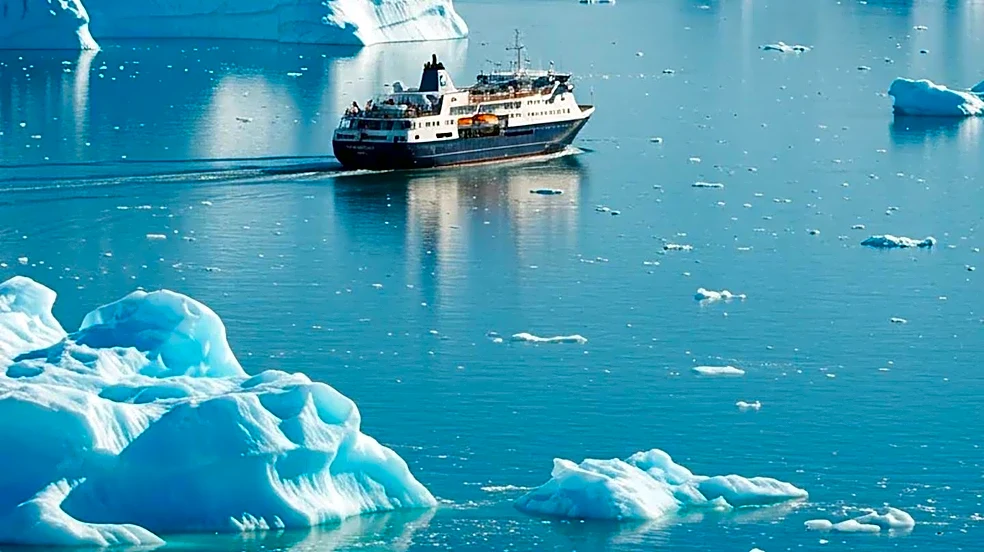
The niche industry of cargo ship tourism, which allowed passengers to travel on working vessels to remote destinations, has significantly declined since the COVID-19 pandemic. Historically, cargo ships offered a unique travel experience, with a peak in the first
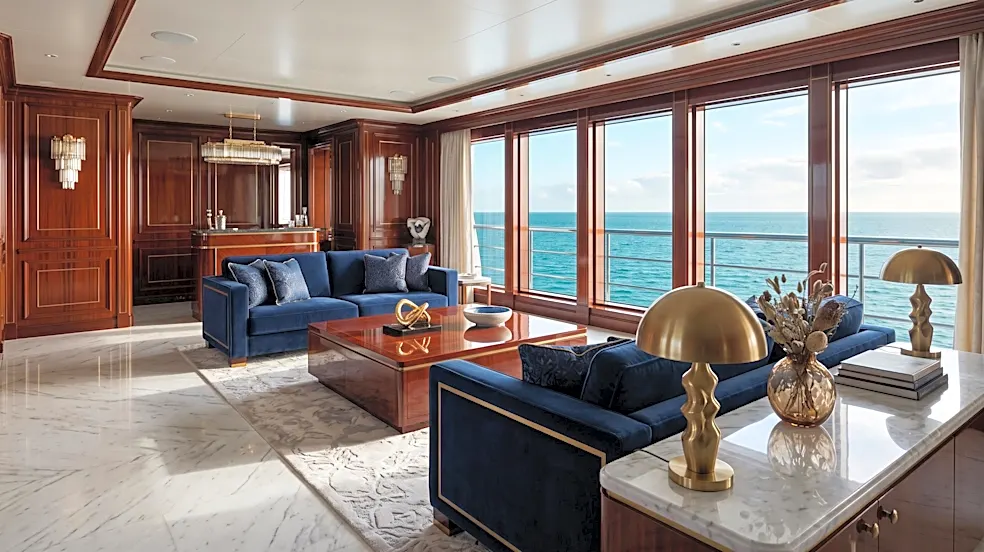
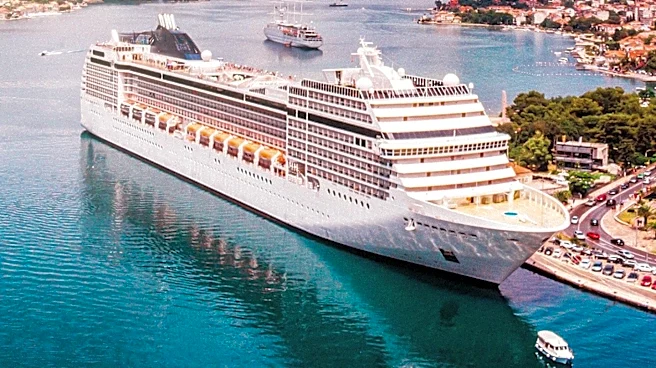
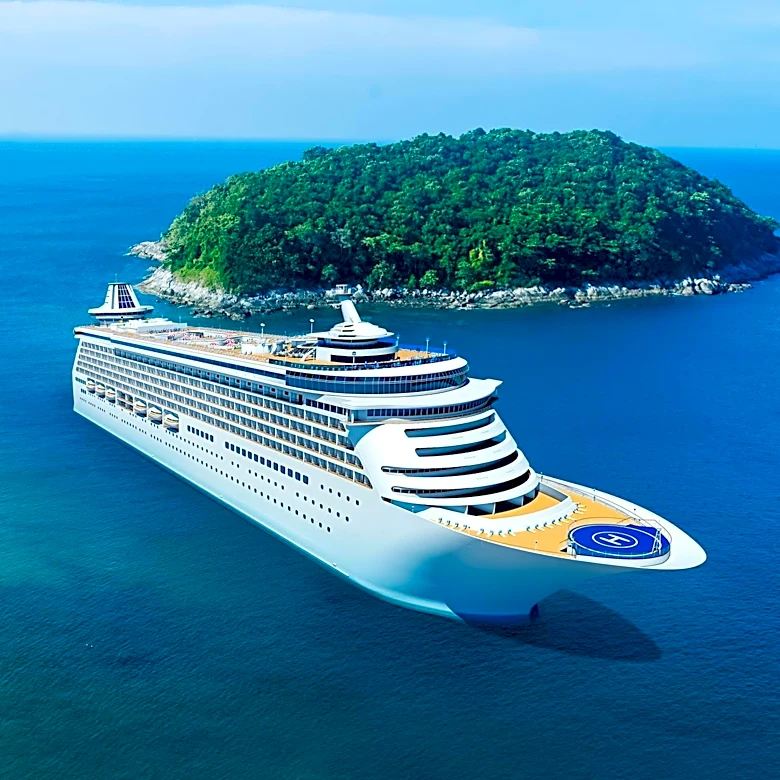
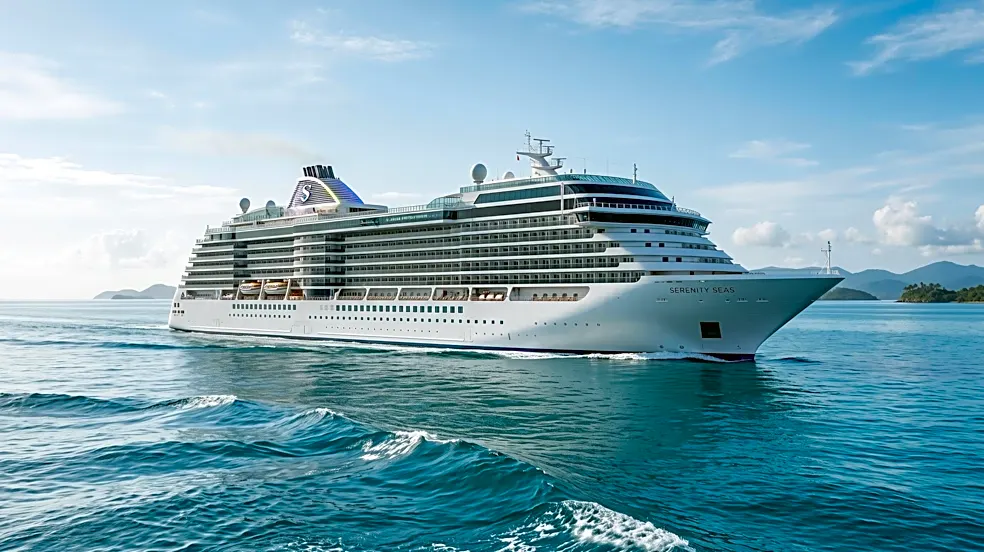
half of the 20th century. However, health and safety concerns during the pandemic, coupled with increased onboard security due to global conflicts and piracy, led many pre-pandemic operators to cease business. Despite this downturn, some companies like Aranui and Neoliner Origin are expanding their cargo-passenger services to destinations such as Namibia, Iceland, and French Polynesia. Concurrently, new travel trends are emerging, including permanent residential cruises, exemplified by the Villa Vie Odyssey, where individuals like retired schoolteacher Sharon Lane have chosen to live afloat. Additionally, 'dark tourism,' involving visits to war zones, radiation sites, or locations of notorious events, is gaining traction among some travelers.
Why It's Important?
The shift in travel trends reflects evolving consumer preferences and global challenges. The decline of cargo ship tourism highlights the vulnerability of niche travel sectors to global health crises and geopolitical instability, impacting smaller operators and unique travel experiences. The rise of permanent residential cruises signifies a growing market for long-term, immersive travel and alternative living arrangements, potentially influencing the cruise industry's future offerings and the concept of retirement. The emergence of 'dark tourism' indicates a segment of travelers seeking profound, often somber, experiences, which could raise ethical considerations for destinations and tour operators regarding the commercialization of tragic sites. These trends collectively point to a diversification of the travel industry, moving beyond traditional leisure models towards more specialized and experiential journeys, with implications for travel agencies, hospitality providers, and destination management.
What's Next?
The cargo ship tourism sector may see a slow recovery, with a focus on operators that can adapt to enhanced security and health protocols, potentially leading to higher costs for passengers. Companies like Aranui and Neoliner Origin, which are expanding, could become key players in this niche market. The residential cruise model, as seen with the Villa Vie Odyssey, is likely to attract more interest, potentially leading to the development of more such vessels and services catering to a demographic seeking a permanent life at sea. This could create new opportunities for long-term hospitality and community building within the cruise industry. For 'dark tourism,' continued growth may prompt discussions on responsible tourism practices, preservation of historical sites, and the psychological impact on both visitors and local communities. Travel agencies may need to diversify their offerings to cater to these specialized segments, requiring new expertise and marketing strategies.
Beyond the Headlines
The evolution of travel beyond conventional vacations reflects deeper societal shifts, including a desire for unique experiences, a re-evaluation of traditional living arrangements, and a growing interest in historical and geopolitical contexts. The decline of cargo ship tourism, once a symbol of adventurous, off-the-grid travel, underscores how global events can rapidly alter established industries and consumer behaviors. The appeal of permanent cruises suggests a quest for community, mobility, and a simplified lifestyle, challenging conventional notions of homeownership and retirement. 'Dark tourism,' while controversial, highlights a human fascination with history, tragedy, and resilience, prompting questions about how societies remember and interpret difficult pasts. These trends collectively indicate a move towards more personalized, meaningful, and sometimes challenging travel experiences, pushing the boundaries of what travel means and how it shapes individual perspectives and global understanding.