






What's Happening?
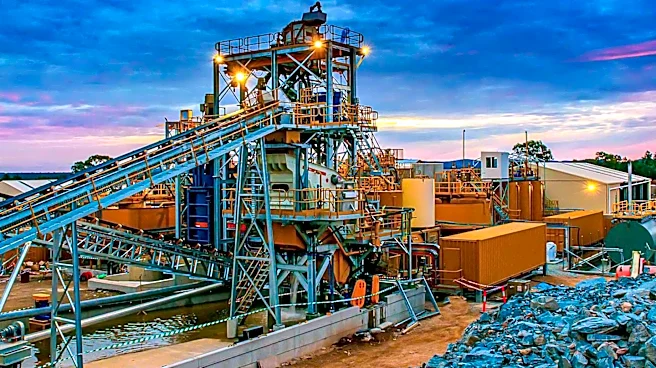
Teck Resources Limited, a diversified mining company headquartered in Canada, is strategically positioned to benefit from elevated copper prices. The company's operations span copper, coal, and zinc commodities, providing revenue diversification. Copper
production is a core revenue driver for Teck, supported by substantial capital investment in mine development and world-class deposit bases across multiple jurisdictions. The demand for copper is driven by several structural growth factors, including renewable energy infrastructure like solar installations, wind turbines, and grid modernization projects, all of which require copper for electrical systems. Additionally, electric vehicle manufacturing incorporates significant quantities of copper in powertrains, wiring harnesses, and charging infrastructure. Building construction also utilizes copper extensively in electrical and mechanical systems. Chinese economic activity heavily influences global copper prices due to the country's dominant consumption share, with infrastructure spending, manufacturing output, and construction activity driving substantial baseline copper consumption. Other emerging economies are also increasing their copper consumption for industrial development and infrastructure expansion.
Why It's Important?
The ability of Teck Resources to capitalize on elevated copper prices has significant implications for the U.S. market and global industries. As a major supplier of copper, Teck's performance can impact the availability and cost of this critical metal, which is essential for the ongoing energy transition and technological advancements in the U.S. The increased demand for copper from renewable energy projects and electric vehicle manufacturing directly supports U.S. climate goals and the growth of its green technology sector. A stable and robust supply of copper is crucial for American manufacturers and infrastructure developers. Furthermore, Teck's diversified commodity portfolio, including coal and zinc, provides a degree of stability against market fluctuations, which can indirectly benefit U.S. industries reliant on these materials. The company's operational excellence and cost management initiatives contribute to its competitiveness, potentially ensuring a more reliable supply chain for U.S. consumers and businesses.
What's Next?
Teck Resources is expected to continue focusing on its copper production and capital allocation decisions, balancing growth investment, debt management, and shareholder returns. Major capital projects will require multi-year development timelines and substantial capital commitments. Exploration activities will target new mineral discoveries to support reserve replacement, which is crucial for long-term supply stability. The company's environmental stewardship throughout the mine life, including closure planning, will remain an essential operational component, reflecting increasing global and U.S. regulatory and societal expectations. The ongoing demand from renewable energy and electric vehicle sectors suggests sustained high demand for copper, which will likely influence Teck's future investment and production strategies. The company's ability to navigate geopolitical factors and energy policy developments affecting coal demand will also be a key factor in its overall performance.
Beyond the Headlines
The sustained demand for copper, as highlighted by Teck Resources' positioning, underscores a broader global shift towards electrification and sustainable technologies. This trend has profound ethical and environmental implications, as the increased mining of copper must be balanced with responsible resource management and minimized ecological impact. The Canadian mining sector, where Teck operates, benefits from strong regulatory frameworks and environmental standards, which could serve as a model for other mining regions. However, the reliance on Chinese economic activity for copper demand also exposes the market to geopolitical risks and supply chain vulnerabilities. The long-term shift towards green technologies necessitates a re-evaluation of global supply chains for critical minerals, potentially leading to increased domestic mining efforts or diversification of sourcing for the U.S. and other developed economies. The interplay between commodity prices, environmental regulations, and technological innovation will continue to shape the future of the mining industry and its impact on global development.