





What's Happening?
The ongoing El Niño phenomenon is creating a significant 'ripple effect' across the U.S. economy, impacting various sectors beyond just weather patterns. According to FOX Weather Meteorologist Steve Bender and FOX Business Network contributor Phil Flynn,
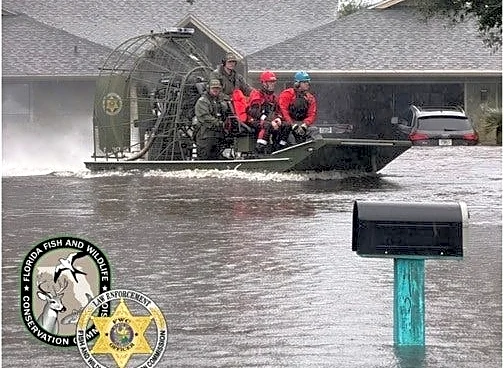
El Niño's influence is evident in commodity prices, agricultural yields, and the insurance and energy industries. While the U.S. has experienced favorable conditions for some crops, leading to a near-record harvest for soybeans and corn, other commodities like coffee and cacao have seen price increases due to El Niño-induced weather extremes in their growing regions. The phenomenon is also affecting livestock, with recent droughts leading to a low in cattle crops, though there's potential to rebuild herds. Furthermore, a stronger El Niño this winter is expected to bring a warmer, wetter season, impacting flood insurance and natural gas prices.
Why It's Important?
El Niño's economic impact is far-reaching, affecting both producers and consumers in the U.S. The agricultural sector faces a mixed bag, with some regions benefiting from ideal growing conditions while others contend with challenges that drive up commodity prices. This directly influences consumer costs for everyday goods. The insurance industry is preparing for potential shifts in risk, particularly with increased flood risks in areas not typically prone to them, which could lead to changes in policy availability and pricing. In the energy sector, a warmer winter could reduce demand for natural gas, potentially leading to lower prices, which benefits consumers but could impact energy producers. These interconnected effects highlight the vulnerability of various U.S. industries to climate variability and the need for adaptive strategies to mitigate economic disruptions.
What's Next?
As El Niño is expected to strengthen further this winter, its impacts on the U.S. economy are likely to intensify. The agricultural sector will continue to monitor weather patterns for potential effects on future harvests and livestock recovery. The insurance industry will need to assess and adjust to changing flood risks, potentially expanding coverage or re-evaluating premiums in affected areas. The energy market will closely watch winter temperatures, as a warmer season could sustain lower natural gas prices. Businesses and consumers alike should anticipate continued volatility in commodity prices due to weather-related supply chain disruptions. Phil Flynn suggests that while some groups might experience harsher impacts, the 'ripple effect' means that the economic consequences are broadly distributed across different sectors and regions.
Beyond the Headlines
The pervasive economic 'ripple effect' of El Niño underscores the intricate relationship between climate and global markets. This phenomenon serves as a natural experiment, revealing the vulnerabilities and interdependencies within the U.S. and global economies. The discussion around commodity prices, from coffee to cattle, highlights how climate events can directly translate into household expenses and business profitability. It also brings to light the long-term challenges faced by industries like agriculture in adapting to increasingly unpredictable weather patterns. The implications for the insurance sector, particularly regarding flood insurance, point to a broader conversation about climate risk assessment and the potential for market adjustments in response to environmental changes. Ultimately, El Niño's influence prompts a deeper consideration of climate resilience in economic planning and policy-making.