








What's Happening?
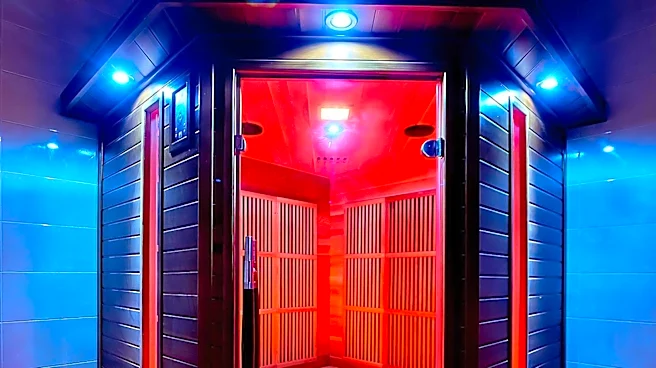
Infrared saunas utilize infrared heat to deliver various therapeutic advantages, including enhanced blood flow, accelerated post-workout muscle recovery, stress reduction, and relaxation. Unlike traditional dry saunas that warm the surrounding air, infrared saunas directly
project light onto the body. These saunas are effective in alleviating muscle tension, stiffness, and soreness. The market offers a diverse range of infrared sauna configurations, such as stationary wooden units, portable sauna tents, and full-spectrum models that integrate different infrared wavelengths. For initial sessions, a duration of 10-15 minutes at temperatures between 100-130°F is recommended. Key factors to consider when selecting an infrared sauna include heater technology, electromagnetic field (EMF) output, and the infrared wavelength spectrum. Far-infrared wavelengths, typically between 5.8 and 9.4 microns, are primarily associated with deep tissue penetration and inducing a sweating response. Brands like SaunaCloud, Sun Home Saunas, and Clearlight are prominent in the market, offering various features such as ultra-low EMF emissions and integrated red light therapy.
Why It's Important?
The growing popularity of infrared saunas signifies a broader trend in the U.S. towards holistic wellness and alternative therapeutic practices for health management. For individuals seeking non-pharmacological methods for pain relief, muscle recovery, and stress reduction, infrared saunas present a viable option. This trend impacts the wellness industry by driving innovation in sauna technology, with manufacturers focusing on features like low EMF emissions, diverse wavelength combinations (full-spectrum), and integrated therapies such as red light. Consumers stand to gain from improved physical well-being and mental relaxation, potentially reducing reliance on conventional treatments for minor ailments. The market for home wellness products is expanding, creating opportunities for businesses specializing in health technology and personal care. As more people prioritize self-care and preventative health, the demand for accessible and effective wellness tools like infrared saunas is likely to continue its upward trajectory, influencing product development and marketing strategies within the health and wellness sector.
What's Next?
The infrared sauna market is expected to continue its evolution with ongoing advancements in heating technology and integrated wellness features. Consumers can anticipate more sophisticated models offering precise control over wavelength output, even lower EMF emissions, and enhanced smart features for personalized experiences. Manufacturers will likely focus on improving energy efficiency and sustainability in their designs, appealing to environmentally conscious buyers. The integration of other therapeutic modalities, such as chromotherapy and aromatherapy, within sauna units may become more commonplace. As awareness of the benefits of infrared therapy grows, there could be an increase in clinical research to further validate its efficacy for various health conditions, potentially leading to broader acceptance within the medical community. This could also drive demand for infrared saunas in commercial settings like spas, gyms, and physical therapy clinics, expanding their market reach beyond individual home users.
Beyond the Headlines
The rise of infrared saunas reflects a deeper societal shift towards personalized health and wellness, where individuals are taking a more proactive role in managing their well-being. This trend highlights a growing consumer interest in technologies that offer therapeutic benefits without the need for medical intervention, aligning with a broader movement towards self-care and preventative health. Ethically, manufacturers face the responsibility of providing transparent information regarding EMF levels, wavelength accuracy, and safety certifications to ensure consumer trust and product efficacy. The legal landscape may also evolve to include more specific regulations or guidelines for wellness devices, particularly as their health claims become more prominent. Culturally, the adoption of infrared saunas signifies a blending of ancient heat therapy practices with modern technological advancements, reflecting a desire for holistic approaches to health that integrate both traditional wisdom and contemporary science. This trend could also influence architectural design, with more homes incorporating dedicated wellness spaces.