










What's Happening?
In the wake of New York's new pied-à-terre tax, concerns were raised about its potential impact on the luxury real estate market. The tax, which targets non-primary residences valued over $1 million, was expected to deter buyers and slow down the market. However,
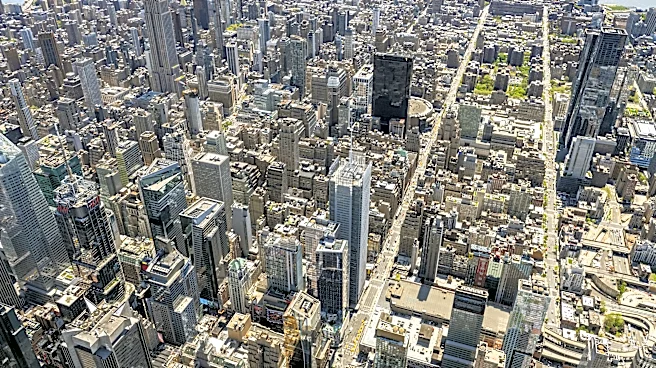
recent data shows that luxury real estate sales in Manhattan have remained robust. In June, 126 contracts were signed for apartments priced at $4 million or more, slightly up from the previous year. The average price of a Manhattan apartment has increased by 5% over the past year, reaching approximately $2.2 million. Despite initial fears, the market has been buoyed by liquidity from recent IPOs and asset price increases.
Why It's Important?
The resilience of Manhattan's luxury real estate market amidst new tax measures highlights the sector's strength and the continued demand for high-end properties. This trend is significant for the city's economy, as real estate plays a crucial role in New York's financial health. The ability of the market to withstand potential deterrents like the pied-à-terre tax suggests a robust demand driven by wealthy buyers who prioritize market timing over tax implications. This could lead to sustained economic activity and job creation in related sectors, such as construction and real estate services.
What's Next?
While the immediate impact of the pied-à-terre tax appears limited, its long-term effects remain uncertain. Legal challenges and adjustments in market strategies by developers and buyers could shape future dynamics. The tax is expected to generate significant revenue for the city, but its actual collection and impact on property values will need to be monitored. Stakeholders, including real estate developers and city officials, will likely continue to assess and respond to these developments as they unfold.