







What's Happening?
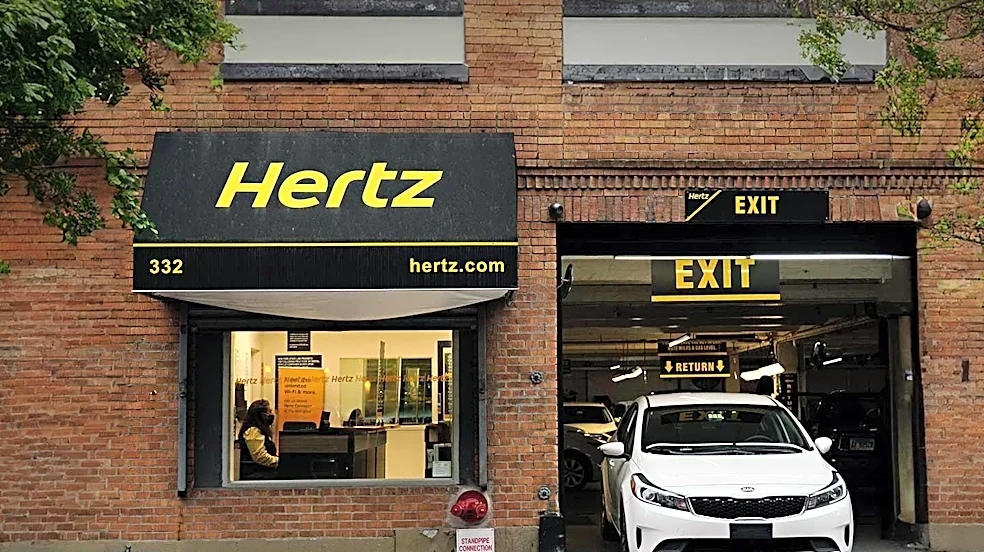
Steve Cohen's family office, Cohen Private Ventures, is leading an $80 million strategic equity funding round for Oro Mobility, a fleet-management subsidiary of Hertz Global Holdings Inc. This investment also includes funds tied to Certares Opportunities
and Knighthead Capital Management. Hertz will maintain majority economic ownership of Oro Mobility, which currently manages approximately 45,000 vehicles in major U.S. cities. Oro Mobility focuses on the back-end infrastructure for commercial fleets, including purchasing vehicles, installing management software, handling maintenance and logistics, and leasing cars to rideshare drivers and technology partners. The capital infusion is intended to fund vehicle purchases, expand depots and charging infrastructure, enhance the company's technology stack, and forge new partnerships. Oro Mobility's target markets encompass rideshare rentals, driver-led fleet management, and infrastructure for autonomous vehicle fleets, including managing Uber's planned Lucid-Nuro robotaxi fleet in San Francisco. Following the announcement, Hertz shares saw a 5% increase in Tuesday morning trading.
Why It's Important?
This significant investment by Steve Cohen's family office highlights a growing recognition of the potential profitability in the operational and logistical aspects of the burgeoning robotaxi and rideshare industry. While much attention has been given to the development of self-driving software, this move underscores the critical need for robust infrastructure to support these advanced fleets. Oro Mobility's focus on vehicle management, maintenance, and charging addresses a fundamental challenge in scaling autonomous and rideshare services. By investing in this 'unglamorous' but essential segment, Cohen Private Ventures and its partners are betting on the long-term value of providing the foundational support for future mobility solutions. This could lead to increased efficiency and reliability in rideshare and autonomous vehicle operations, benefiting both service providers and consumers. For Hertz, the investment validates its broader transformation strategy and positions Oro Mobility as a key player in the evolving mobility market, potentially creating a lucrative new revenue stream beyond traditional car rentals.
What's Next?
The $80 million in strategic equity funding will enable Oro Mobility to significantly expand its operations. This includes increasing its fleet size, developing more charging infrastructure, and advancing its technology. The company is expected to pursue new partnerships, further integrating its services within the rideshare and autonomous vehicle ecosystems. Hertz CEO Gil West, who will serve as executive chairman of Oro, views this investment as a validation of Hertz's turnaround strategy, suggesting that the company will continue to prioritize and support Oro's growth. As demand for ride-hailing services expands and autonomous vehicle deployments accelerate, Oro Mobility is poised to become a critical infrastructure provider. The success of this investment could encourage further capital injections into similar fleet management and infrastructure companies, as investors seek to capitalize on the operational backbone of future mobility. The market will likely watch for Oro's expansion into new cities and its ability to secure additional high-profile partnerships.
Beyond the Headlines
This investment signals a strategic shift in how the future of transportation is being financed and developed. Beyond the flashy headlines of autonomous driving technology, the practicalities of managing, maintaining, and powering these fleets are emerging as equally crucial, if not more so, for widespread adoption. The focus on 'back-end infrastructure' for robotaxis and rideshare services points to a future where the physical assets and logistical networks are as valuable as the software that drives them. This could lead to a new wave of specialized companies focusing solely on fleet operations, creating a complex ecosystem of technology developers, service providers, and infrastructure managers. The ethical implications of large-scale autonomous fleets, such as job displacement for human drivers and the environmental impact of increased vehicle miles traveled, will also become more prominent as these services scale. Furthermore, the investment highlights the growing trend of traditional companies like Hertz adapting to and investing in disruptive technologies to remain relevant in a rapidly changing market.