





What's Happening?
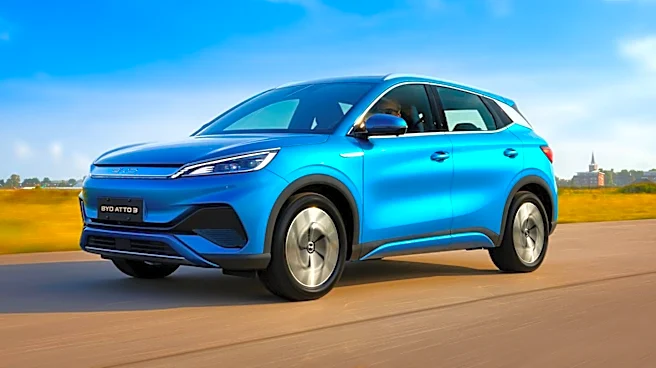
BYD, a prominent Chinese car manufacturer, is reportedly close to commercializing solid-state battery technology for electric vehicles (EVs). Stella Li, BYD's Executive Vice President, stated in an interview with Carwow's Spanish outlet that the company
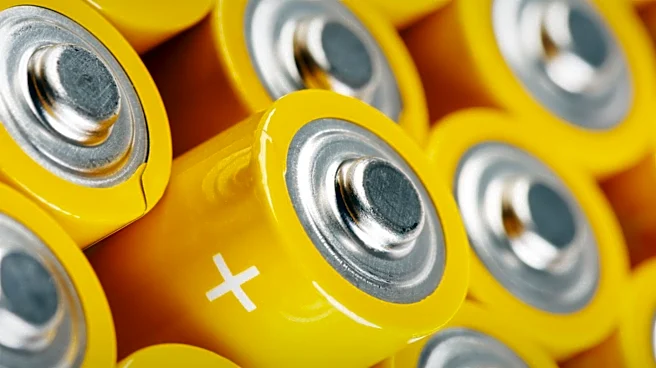
is in a 'leading position' for both the technology and its commercialization. She announced that BYD plans to release its first vehicle equipped with a solid-state battery in 2027. This aligns with previous statements from Sun Huajun, Chief Technology Officer of BYD's battery subsidiary FinDreams, who indicated that demonstration and installation of solid-state batteries would begin in 2027, with mass production anticipated around 2030. While solid-state batteries will initially target high-end models, BYD Chief Scientist Lian Yubo clarified that traditional lithium batteries will continue to be used in vehicles of different levels, empowering each other with the new technology. Solid-state batteries differ from current lithium-ion batteries by replacing liquid electrolytes with solid ones, typically made from oxides, polymers, or sulfides.
Why It's Important?
The advancement and commercialization of solid-state battery technology by a major player like BYD could significantly impact the U.S. automotive industry and its transition to electric vehicles. Solid-state batteries offer several advantages over traditional lithium-ion batteries, including higher energy density, which translates to smaller, lighter batteries and a longer range for EVs. This could address a key concern for U.S. consumers regarding EV range anxiety. Furthermore, solid-state batteries are theoretically safer, being less prone to fire and capable of operating effectively in extreme temperatures, which could enhance consumer confidence and broaden EV adoption across diverse U.S. climates. The initial high cost of this technology means it will likely be introduced in premium EV models first, potentially creating a new segment in the U.S. luxury EV market. This development also intensifies the global race among automakers and battery manufacturers to bring next-generation battery technology to market, influencing research and development investments and strategic partnerships within the U.S. automotive sector.
What's Next?
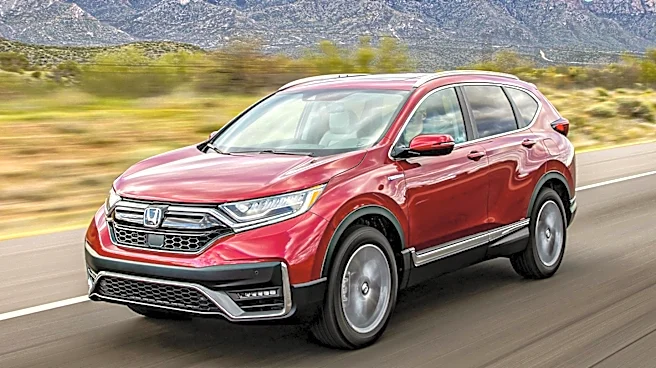
BYD's immediate next step is the planned release of its first vehicle featuring solid-state battery technology in 2027. Following this, the company aims for mass production of these batteries around 2030. This timeline suggests that U.S. consumers could see BYD's solid-state battery-powered vehicles entering the market in the coming years, initially in high-end segments. Other major automakers, including Toyota, Mercedes-Benz, and Stellantis, have also committed to introducing solid-state battery vehicles by the end of the decade, indicating a competitive landscape. Honda has partnered with QuantumScape to develop its own solid-state batteries. The primary challenge for widespread adoption remains the cost of production, which BYD acknowledges will limit initial deployment to more expensive models. As the technology matures and production scales, the cost is expected to decrease, potentially making solid-state batteries more accessible across a wider range of EV models in the U.S. market.
Beyond the Headlines
The shift towards solid-state batteries represents a fundamental change in EV technology, moving beyond incremental improvements in lithium-ion chemistry. This transition could have profound implications for the entire EV ecosystem, from raw material sourcing and manufacturing processes to charging infrastructure and vehicle design. The enhanced safety profile of solid-state batteries, particularly their reduced fire risk, could influence regulatory standards and insurance costs for EVs in the U.S. Moreover, the potential for longer range and faster charging could accelerate the displacement of internal combustion engine vehicles, contributing significantly to U.S. climate goals and energy independence. The development also highlights the increasing technological leadership of Asian companies in the battery sector, prompting U.S. companies and policymakers to consider strategies for fostering domestic innovation and production to maintain competitiveness and supply chain security in this critical industry.