







What's Happening?
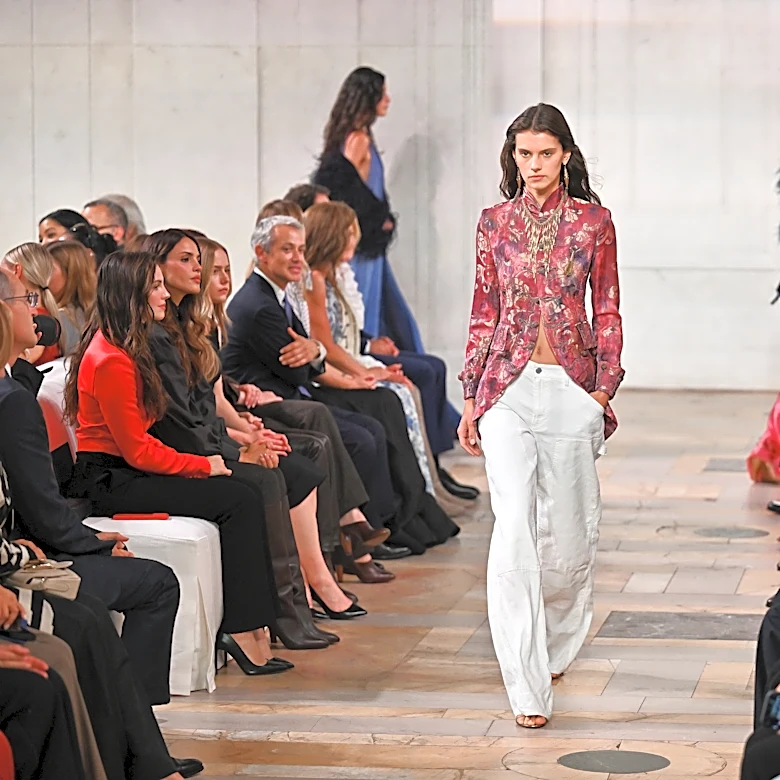
A Vogue investigation has brought to light the forgotten contributions of Black individuals to the origins of Fashion Week, particularly focusing on Ophelia DeVore's pioneering runway shows in Bryant Park as early as 1969. These events, described as 'fashion
extravaganzas' by The Amsterdam News, featured Black, Oriental, and Spanish-speaking models showcasing garments from major manufacturers and designers. This historical context predates the formal establishment of New York's fashion tents by 24 years and challenges the commonly held narrative of Fashion Week's inception. The article highlights a broader pattern of historical amnesia and institutional erasure regarding Black achievements, drawing parallels to the minimizing of 'Black Woodstock.' Even DeVore's own biographies and retrospectives often overlook these significant fashion endeavors, alongside her other impactful work as an image consultant and entrepreneur.
Why It's Important?
This revelation is critically important for a more accurate and inclusive understanding of U.S. fashion history. By uncovering Ophelia DeVore's early contributions, Vogue challenges the prevailing narrative that has historically marginalized or overlooked the foundational roles played by Black innovators. This re-evaluation not only gives credit where it is due but also highlights systemic biases in historical record-keeping and institutional memory. Recognizing these forgotten pioneers can inspire current and future generations of diverse talent within the fashion industry, fostering a more equitable and representative environment. It also prompts a broader discussion about how historical narratives are constructed and the importance of actively seeking out and preserving the stories of underrepresented communities to ensure a complete and truthful account of cultural development.
What's Next?
The findings of this Vogue investigation are likely to spark further research and discussions within the fashion industry and academic circles. There may be increased efforts to digitize and make accessible archives related to Black fashion pioneers, such as Ophelia DeVore's collection at Emory, to prevent future historical erasure. Educational institutions and fashion organizations might revise their curricula and historical accounts to include these previously overlooked contributions. This could lead to a more nuanced understanding of fashion's evolution and its deep roots in diverse cultural expressions. Furthermore, the renewed focus on Black inspiration in fashion history could influence contemporary design, marketing, and diversity initiatives, encouraging a more inclusive and representative industry moving forward.
Beyond the Headlines
The story of Ophelia DeVore and the forgotten Black contributions to Fashion Week delves into profound themes of cultural memory, systemic bias, and the politics of recognition. It illustrates how historical narratives can be shaped by dominant cultural forces, leading to the marginalization of significant achievements from minority groups. The struggle to preserve and acknowledge these histories speaks to the ongoing fight for racial justice and equity, not just in fashion but across all sectors of society. This re-examination encourages a critical look at how institutions collect, preserve, and disseminate information, urging a more proactive approach to inclusivity. Ultimately, it underscores the power of historical reclamation in shaping identity, fostering pride, and challenging entrenched biases that continue to affect contemporary perceptions and opportunities.