


What's Happening?
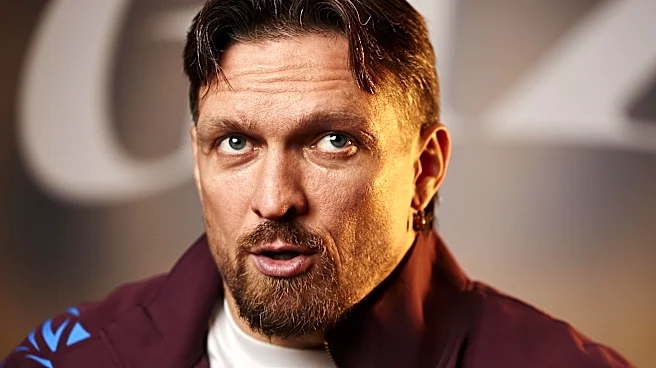
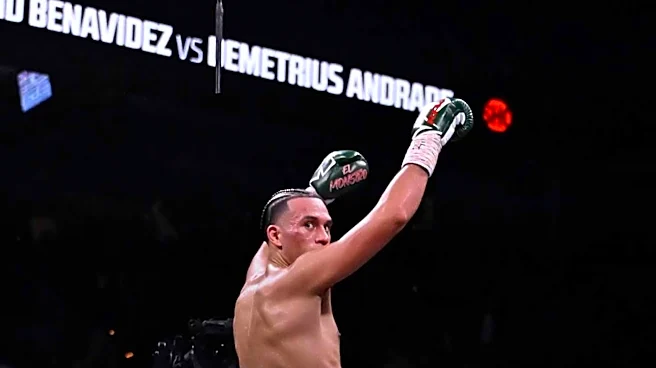
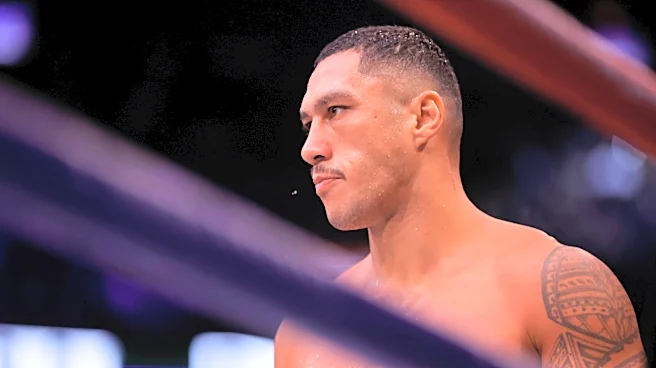
A potential boxing match between Oleksandr Usyk and American David Benavidez in the cruiserweight division may be postponed until the fall of 2027. This delay is due to a recent decision by the World Boxing Council (WBC) naming Australian Jay Opetaia
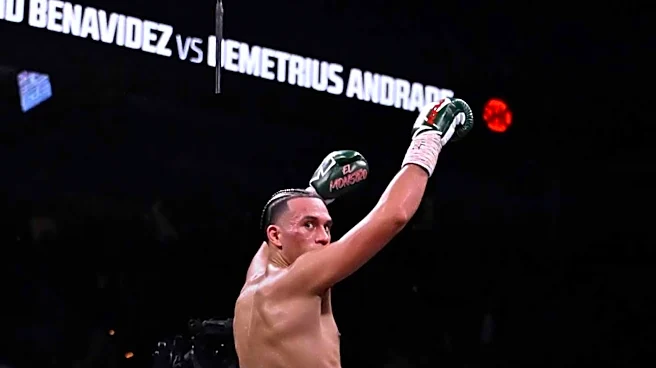
as the mandatory challenger for the cruiserweight title. If David Benavidez defeats Michal Czeslak on December 5 and secures the WBC belt, he will be obligated to face Opetaia. Failure to do so would risk him losing his title. Usyk's advisor, Sergey Lapin, indicated that Usyk is considering a return to the cruiserweight division in 2027, with plans for a fight for the vacant cruiserweight title, followed by a unification bout against Benavidez. However, the WBC's mandatory defense requirement for Benavidez could disrupt these plans, pushing any potential fight with Usyk further into the future. Usyk is also reportedly considering other high-profile opponents, including Tyson Fury, and negotiations for a fight with Deontay Wilder have stalled.
Why It's Important?
This development significantly impacts the cruiserweight boxing landscape and the career trajectories of several prominent fighters, particularly in the U.S. For David Benavidez, a highly anticipated fight against Oleksandr Usyk, which could elevate his status and profile, is now contingent on his performance against Michal Czeslak and his subsequent mandatory defense against Jay Opetaia. This creates a complex path for Benavidez, who aims to be recognized as a top fighter in boxing. The postponement could also affect the financial prospects for all involved, as high-profile fights generate substantial revenue through pay-per-view and endorsements. For American boxing fans, the delay means a longer wait to see a potential clash between one of their own, Benavidez, and a generational talent like Usyk. The WBC's enforcement of mandatory defenses underscores the regulatory power of boxing organizations in shaping the sport's competitive schedule and fighter opportunities, potentially prioritizing divisional integrity over immediate blockbuster matchups.
What's Next?
The immediate next step involves David Benavidez's fight against Michal Czeslak on December 5. If Benavidez wins and secures the WBC title, he will then be required to defend it against Jay Opetaia. This mandatory defense will likely take precedence over any immediate plans for a fight with Oleksandr Usyk. Consequently, negotiations for a Usyk-Benavidez bout are expected to be postponed until at least the fall of 2027, assuming Benavidez successfully navigates his upcoming fights. Oleksandr Usyk's team will likely continue to explore other potential high-profile matchups, including a possible third fight against Tyson Fury, given the stalled negotiations with Deontay Wilder. The boxing world will be closely watching Benavidez's performance and the subsequent decisions by the WBC to understand the future of the cruiserweight division and the potential for these major fights.
Beyond the Headlines
The situation highlights the intricate balance between fighter ambitions, promotional strategies, and the regulatory demands of boxing organizations. Oleksandr Usyk's consideration of returning to cruiserweight, a division he previously dominated, after achieving undisputed status at heavyweight, reflects a unique pursuit of legacy and challenge. However, this ambition is now clashing with the WBC's mandate, which prioritizes the integrity of its titles and the progression of mandatory challengers. This scenario also underscores the financial complexities of boxing, where disagreements over money and contract terms, as seen in the stalled Deontay Wilder negotiations, can derail major fights. The involvement of multiple champions and mandatory challengers across different organizations often leads to a fragmented landscape, making it challenging to arrange undisputed title fights and clear pathways for top contenders. This dynamic can frustrate fans eager for definitive matchups and impact the overall marketability of the sport.