







What's Happening?
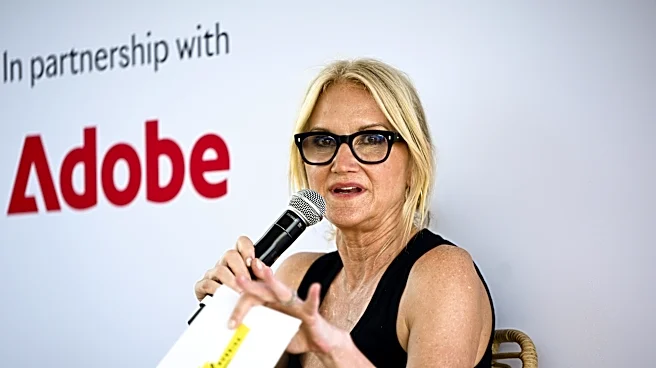
Mel Robbins, the host of 'The Mel Robbins Podcast,' recently disclosed her diagnosis of Attention-Deficit/Hyperactivity Disorder (ADHD) at the age of 47. Robbins shared her personal journey, detailing years of struggling with focus, emotional regulation,
anxiety, depression, and difficulties with deadlines and starting projects, which she initially attributed to personality traits or other conditions like postpartum depression and perimenopause. In a podcast episode featuring psychiatrist and ADHD expert Dr. Sasha Hamdani, Robbins explored why ADHD is often overlooked in women and girls. Dr. Hamdani explained that the diagnostic criteria for ADHD were originally developed based on observations of hyperactive young boys, leading to a narrow stereotype that often misses the less visible presentations of ADHD in females, such as inattentiveness, internal struggles, and emotional dysregulation. Robbins described her diagnosis as both a relief and a source of grief and anger, as it provided clarity for her lifelong challenges.
Why It's Important?
Mel Robbins' public disclosure of her ADHD diagnosis at 47 is significant as it sheds light on a widespread issue: the underdiagnosis of ADHD in adult women. This often leads to years of misdiagnosis, self-blame, and ineffective treatments for co-occurring conditions like anxiety and depression. The podcast discussion highlights how traditional ADHD stereotypes fail to capture the diverse ways the condition manifests, particularly in women who may internalize their struggles or develop coping mechanisms that mask their symptoms. This can result in women being labeled as 'too emotional,' 'disorganized,' or 'not trying hard enough,' impacting their self-esteem, relationships, and professional lives. By sharing her experience, Robbins helps to destigmatize ADHD and encourages more women to seek proper evaluation, potentially leading to earlier diagnoses and appropriate support. This conversation is crucial for shifting the medical community's understanding of ADHD beyond outdated stereotypes and improving diagnostic accuracy for women.
What's Next?
The revelation of Mel Robbins' ADHD diagnosis is likely to spark increased awareness and conversations around ADHD in adult women. This could lead to more women recognizing their own symptoms and seeking professional evaluations, potentially increasing diagnosis rates. Healthcare providers may face a greater demand for ADHD assessments, prompting a need for updated training and resources to better identify the condition in female patients. The podcast's emphasis on the nuanced presentation of ADHD in women could also influence how medical professionals approach diagnosis, moving beyond the traditional hyperactive stereotype. Furthermore, the discussion may encourage more research into ADHD in women, leading to more tailored diagnostic tools and treatment strategies. Support groups and online communities for women with ADHD may also see increased engagement as individuals seek connection and shared experiences following such high-profile disclosures.
Beyond the Headlines
Mel Robbins' story delves into deeper societal and medical biases that have historically overlooked women's health issues. The fact that ADHD diagnostic criteria were primarily based on male presentations reflects a broader pattern in medical research where male physiology has often been the default. This gender bias has led to significant gaps in understanding and treating conditions that manifest differently in women. Ethically, it raises questions about equitable healthcare and the need for inclusive research that considers diverse populations. Culturally, Robbins' openness contributes to breaking down stigmas associated with neurodevelopmental disorders, fostering a more understanding and accepting environment. Her experience also highlights the emotional toll of living with an undiagnosed condition, including feelings of inadequacy and frustration. Long-term, this increased visibility could drive systemic changes in medical education and practice, advocating for a more comprehensive and gender-sensitive approach to mental health and neurodevelopmental diagnoses.