





What's Happening?
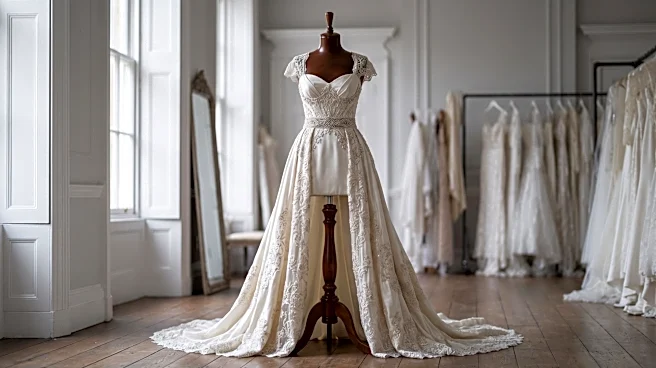
Lexie Ippolito, a 28-year-old bride-to-be from the Chicago area, embarked on a determined search for her mother's missing wedding dress, which she had hoped to wear for her own upcoming wedding. Her plans were disrupted when she discovered that the gown
returned by a dress-preservation company years ago was not her mother's, but a different dress entirely. Ippolito launched an online campaign on Facebook and TikTok to locate her mother's original Michelangelo-style strapless dress. While her efforts did not immediately yield her own mother's gown, her online sleuthing inadvertently led her to solve a long-standing mystery for another family. Ippolito successfully traced the dress she had mistakenly received, identifying it as belonging to Heidi Webber McClellan, who wore it at her 2007 wedding before her passing two years later from a failed bone marrow transplant. This discovery brought unexpected closure and joy to McClellan's mother, Sue Webber-Brown, who believed she would never see her daughter's wedding dress again.
Why It's Important?
This story highlights the profound sentimental value attached to wedding dresses and family heirlooms, demonstrating how such items can carry deep emotional significance across generations. For Lexie Ippolito, the desire to wear her mother's dress symbolizes a connection to her family's past and a personal touch for her own significant life event. For Sue Webber-Brown, the return of her late daughter's wedding dress represents a tangible piece of her daughter's memory, offering comfort and a sense of retrieval of a lost treasure. The incident also underscores the potential for errors in specialized services like dress preservation and the challenges consumers face when such mistakes occur. Furthermore, it showcases the power of social media and online communities in solving personal mysteries and connecting individuals across vast distances, turning a personal quest into a heartwarming resolution for others.
What's Next?
While Heidi Webber McClellan's wedding dress is now en route to her family in California, Lexie Ippolito's search for her own mother's gown continues. The original dress preservation company, Memories Gown Preservation in Houston, Texas, which was sold last year, stated that records from 2010 are unavailable, making it difficult to determine what went wrong with the dress swap. Colby Shapiro, whose family now owns the business, indicated that such incidents are not common. Ippolito remains hopeful that her continued efforts might still lead to the recovery of her mother's dress. The story may encourage other individuals who have experienced similar issues with preservation services to investigate their own situations, potentially leading to more discoveries of misplaced heirlooms. The emotional impact of this story could also inspire greater diligence within the garment preservation industry.
Beyond the Headlines
This event transcends a simple lost-and-found narrative, touching upon themes of grief, legacy, and unexpected human connection. The accidental exchange of wedding dresses created a void for two families, one seeking to honor a living legacy and the other grappling with the loss of a cherished memory. Ippolito's dedication to finding her mother's dress, even when faced with a different garment, speaks to a deeper sense of responsibility and empathy that led her to reunite a grieving mother with her daughter's last tangible link. The story subtly critiques the impersonal nature of commercial services when dealing with highly personal items, highlighting how a procedural error can have profound emotional consequences. It also serves as a testament to the enduring power of community and individual initiative in rectifying oversights and bringing unexpected solace.