







What's Happening?
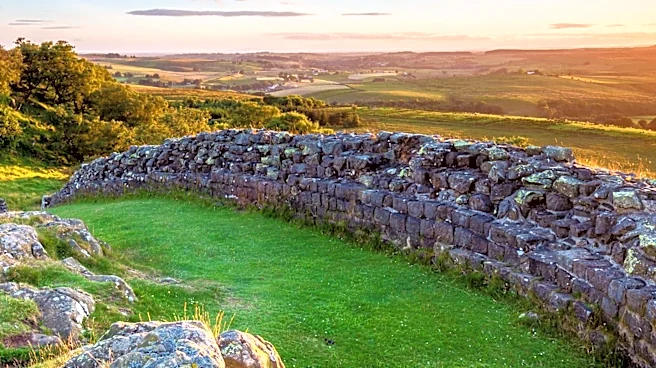
The article delves into the history and cultural significance of New England's stone walls, which are remnants of a bygone era when they served as boundary markers and livestock fences. These walls, built primarily in the 18th and 19th centuries, are now
cherished as iconic features of the Yankee landscape. The author shares a personal journey of restoring a stone wall on a Vermont property, highlighting the craftsmanship and historical context of these structures. The narrative explores the transformation of these walls from functional agricultural tools to ornamental and cultural symbols.
Why It's Important?
New England's stone walls represent a tangible connection to the region's agricultural past and the labor of early settlers. Their preservation and restoration offer insights into historical land use and community development. As cultural artifacts, these walls contribute to the identity and aesthetic of the New England landscape, attracting interest from historians, architects, and tourists. The story underscores the value of preserving historical structures and the role they play in understanding regional heritage and fostering a sense of place.