







What's Happening?
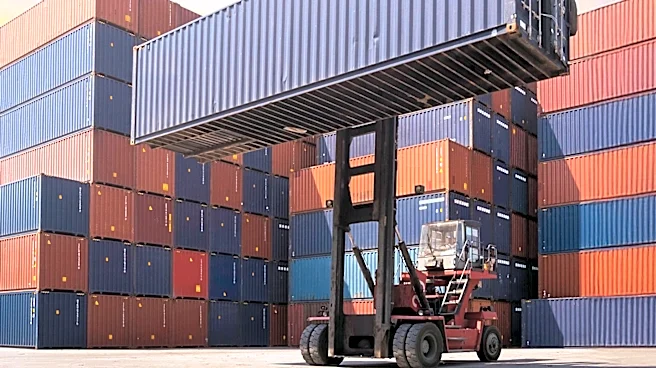
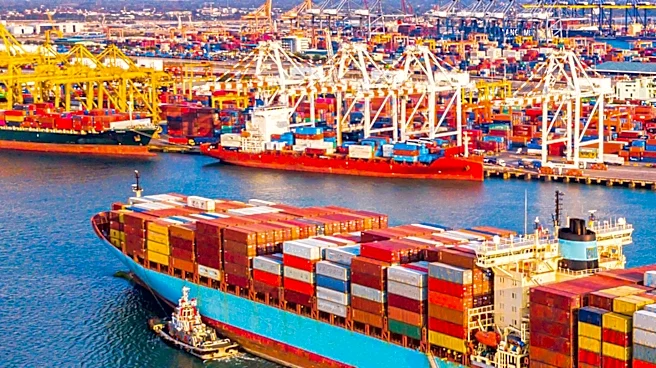
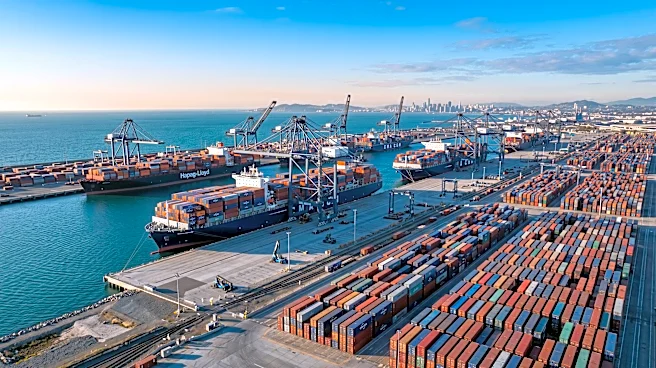
Global supply chain disruptions, caused by factors such as geopolitical instability, adverse weather, port congestion, labor shortages, and cyberattacks, are significantly impacting small businesses. Unlike larger corporations that can absorb shocks,
small businesses face increased operational and inflationary costs, inventory shortages, and negative impacts on cash flow and customer relations. The cost of transport, fuel surcharges, and raw materials rise during disruptions, and small businesses, lacking the purchasing power of larger entities, incur higher wholesale costs. This often leads to out-of-stock items, unpredictable delivery times, and lost revenue, as customers may turn to larger competitors with more consistent inventory. Delays also tie up funds, affecting cash flow needed for operational expenses and marketing.
Why It's Important?
The vulnerability of small businesses to global supply chain disruptions has broad implications for the U.S. economy. Small businesses are a vital component of the American economic landscape, driving innovation, employment, and local economies. When they struggle with increased costs, inventory issues, and reduced cash flow, it can lead to business closures, job losses, and a decrease in overall economic activity. The inability of small businesses to compete with larger firms during periods of disruption can also lead to market consolidation, reducing consumer choice and potentially stifling competition. Furthermore, the stress on customer relations and brand image for small businesses can have long-term effects, eroding trust and loyalty, which are crucial for their survival and growth.
What's Next?
To mitigate the impact of supply chain disruptions, small businesses are advised to implement several strategic solutions. These include diversifying their supplier networks to reduce reliance on a single source or location, adopting a "Just-In-Case" inventory strategy instead of an ultra-lean "Just-In-Time" approach to maintain safety stock, and utilizing modern predictive technologies like AI CRM solutions to forecast customer demand and inventory needs more accurately. Additionally, maintaining open channels of communication with both vendors and consumers is crucial for transparency and managing expectations regarding potential delays or shortages. By proactively addressing these areas, small businesses can build greater resilience and better navigate the volatile market conditions.
Beyond the Headlines
The challenges faced by small businesses due to global supply chain disruptions highlight a fundamental shift in how businesses must operate in an increasingly interconnected yet unpredictable world. The traditional focus on efficiency and cost-cutting, exemplified by "Just-In-Time" inventory, is being re-evaluated in favor of resilience and adaptability. This shift could foster greater localization of supply chains and encourage innovation in logistics and inventory management technologies, particularly AI-driven solutions. Moreover, it underscores the need for supportive policies and resources for small businesses to help them invest in these resilience-building strategies. The long-term outcome could be a more robust and diversified economic ecosystem, less susceptible to single points of failure in the global supply chain, but it requires a significant re-thinking of business models and government support.