







What's Happening?
RoomAI, an AI interior design application, is transforming how users approach home renovation and decor. Available on iPhone and iPad, the app allows individuals to redesign rooms, test renovation concepts, and generate home decor ideas rapidly. Users
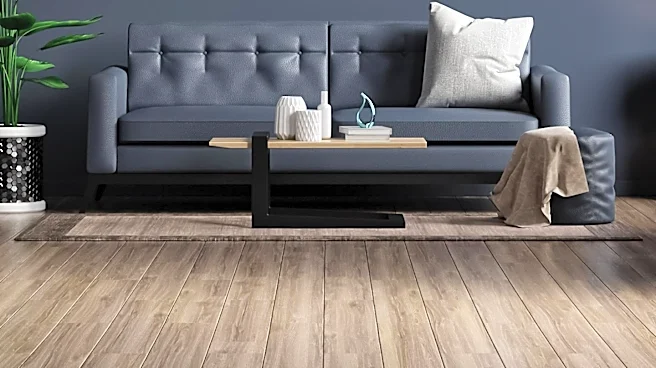
can upload a photo of their room, specify a desired style or change, and receive fresh design suggestions. The application offers functionalities such as redesigning an entire room, replacing or adding furniture and decor objects, repainting selected areas like walls, floors, and ceilings, adjusting lighting, and previewing new flooring, doors, and windows. This suite of tools aims to provide a practical solution for visualizing interior changes before implementation, making it accessible for a wide range of users from casual decorators to those planning significant renovations.
Why It's Important?
The emergence of AI-powered interior design tools like RoomAI signifies a notable shift in the home improvement and design industry. For consumers, these applications democratize access to professional-grade design capabilities, allowing them to experiment with various styles and layouts without the cost or commitment of physical changes. This can lead to more informed decisions, potentially reducing renovation errors and increasing satisfaction with final designs. For businesses in the interior design and home furnishing sectors, such tools present both opportunities and challenges. They can serve as powerful visualization aids for clients, streamlining the design process and enhancing client engagement. However, they also necessitate an adaptation of traditional business models, as consumers become more self-sufficient in the initial design phases. The broader impact includes fostering innovation in AI applications for creative fields and potentially influencing consumer expectations for personalized and interactive design experiences.
What's Next?
The continued development of AI interior design platforms is expected to bring more sophisticated features and broader integration with other smart home technologies. Future iterations of apps like RoomAI may incorporate augmented reality (AR) for real-time visualization within a user's actual space, or integrate with e-commerce platforms to directly link design choices with purchasable furniture and decor. The competitive landscape will likely see more players entering the market, pushing for advancements in AI accuracy, user-friendliness, and customization options. Additionally, there may be an increased demand for remote interior design coordinators proficient in these AI-assisted tools, indicating a shift in the skill sets required within the professional design community. The evolution of these platforms will likely continue to empower users with greater control over their living spaces, making design more accessible and personalized.
Beyond the Headlines
The rise of AI in interior design extends beyond mere aesthetics, touching upon deeper implications for creativity, accessibility, and the future of work. Ethically, these tools raise questions about the role of human designers versus AI algorithms in creative processes. While AI can generate concepts, the nuanced understanding of human needs, cultural contexts, and emotional responses often requires human intuition. Legally, issues surrounding intellectual property for AI-generated designs and data privacy for user-uploaded room images will become increasingly relevant. Culturally, these tools could standardize certain design trends or, conversely, foster a greater diversity of personalized styles by making experimentation easier. Long-term, the widespread adoption of AI interior design could lead to a more dynamic and personalized approach to living spaces, where homes are constantly evolving to meet changing preferences, driven by intelligent design assistance. This could fundamentally alter how individuals interact with and perceive their personal environments.