






What's Happening?
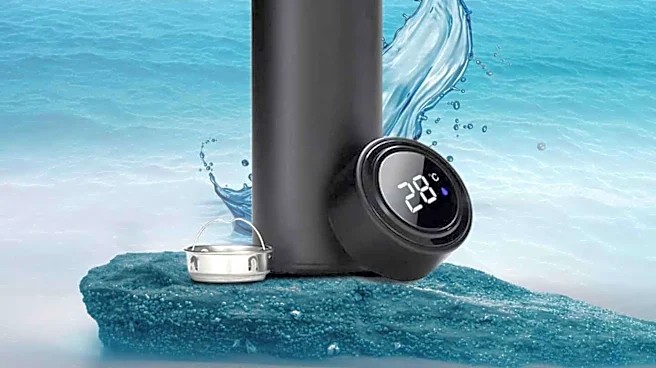
The market for smart water bottles is experiencing significant growth, driven by increasing consumer focus on health and wellness. These bottles integrate technology to offer features such as hydration reminders, tracking apps, and even temperature control.
For instance, the LARQ Bottle PureVis™ 2 includes smart sensors that automatically monitor water intake and sync with a companion app to provide users with insights and progress. Many smart water bottles also come with practical design elements like double-wall insulation to keep water cold, detachable handles for portability, and USB-C charging ports for convenience. The rise in demand reflects a shift in consumer behavior, with individuals willing to invest in products that enhance their health and well-being through technological innovation. The global smart water bottle market is projected to reach $1.5 billion by 2025, indicating a sustained trend in this sector.
Why It's Important?
The growing popularity of smart water bottles signifies a broader trend in the U.S. consumer market towards health-conscious products and technology-driven solutions for everyday habits. This trend impacts the consumer goods industry, particularly in the health and wellness sector, by creating new demand for innovative hydration products. Companies that prioritize integrating smart technology with user-friendly designs stand to gain significant market share. The emphasis on hydration tracking and personalized goals can lead to improved public health outcomes by encouraging consistent water intake, which is often overlooked in busy lifestyles. Furthermore, the integration of features like UV sterilization in some models addresses concerns about water purity, especially for outdoor enthusiasts, potentially influencing product development and safety standards in the portable beverage container market.
What's Next?
The future of hydration technology is expected to see further advancements, including integrated hydration analytics and personalized recommendations tailored to individual activity levels. These innovations will likely enhance the user experience and provide more sophisticated insights into hydration habits, pushing manufacturers to continuously evolve their product offerings. As consumer awareness of hydration's importance continues to grow, the demand for smart water bottles with advanced tracking capabilities is anticipated to rise. Brands that focus on innovation and user experience will likely lead the market, influencing purchasing decisions and potentially setting new industry standards for smart health devices. This could also lead to increased competition and diversification of features, making smart water bottles an even more integral part of health and wellness routines.
Beyond the Headlines
The shift towards smart water bottles highlights a deeper cultural integration of technology into personal health management. This trend extends beyond simple hydration, reflecting a broader societal embrace of data-driven approaches to well-being. The emphasis on tracking and personalized goals can foster a more proactive approach to health, but it also raises questions about data privacy and the potential for over-reliance on technology for basic bodily functions. As these devices become more sophisticated, there could be ethical considerations regarding the collection and use of personal health data. Moreover, the market's growth underscores a consumer willingness to pay a premium for convenience and perceived health benefits, potentially widening the gap between those who can afford advanced health tech and those who cannot, thus impacting health equity.