







What's Happening?
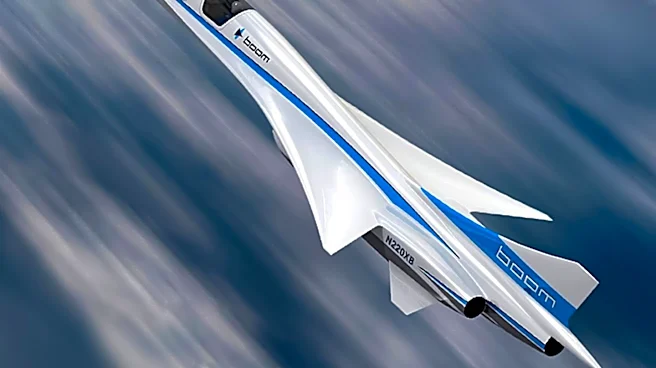
The Federal Aviation Administration (FAA) has proposed a new regulatory framework to allow supersonic flights overland in the United States. This proposal aims to replace existing regulations that prohibit such flights, introducing a noise-based certification
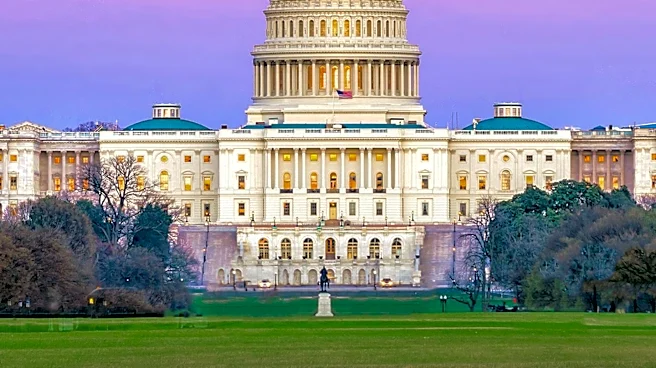
standard instead. The move is part of a broader strategy to advance supersonic and hypersonic aviation technology, supported by the Supersonic Aviation Modernization Act (SAM Act) currently under consideration in Congress. The SAM Act, sponsored by bipartisan lawmakers, seeks to establish statutory deadlines for implementing these regulatory changes.
Why It's Important?
The proposed changes could significantly impact the aviation industry by facilitating the development and deployment of supersonic and hypersonic technologies. This could lead to faster commercial flights and advancements in military aviation capabilities. The regulatory shift aligns with a federal mandate to position the U.S. as a leader in supersonic flight, potentially boosting innovation and investment in the sector. The changes could also influence international aviation standards and practices, as the U.S. seeks to align with global noise standards while maintaining domestic progress.
What's Next?
The FAA has opened the proposal for public comment until August 17, 2026. Stakeholders, including aviation companies and environmental groups, are expected to provide feedback on the proposed noise standards and compliance methods. The SAM Act's progress in Congress will be closely watched, as its enactment could accelerate the regulatory changes. The FAA plans to finalize noise certification standards by June 2027, which will be crucial for the future of supersonic flight in the U.S.