






What's Happening?
Stonyfield Organic is emphasizing its commitment to producing organic yogurt drinks for children, specifically highlighting the 'Stonyfield Organic Kids Zero Grams Added Sugar Mango Apple Lowfat Yogurt Drinks.' The company states that its products are
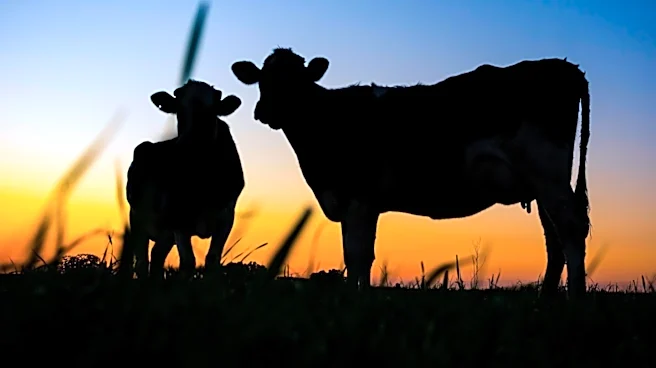
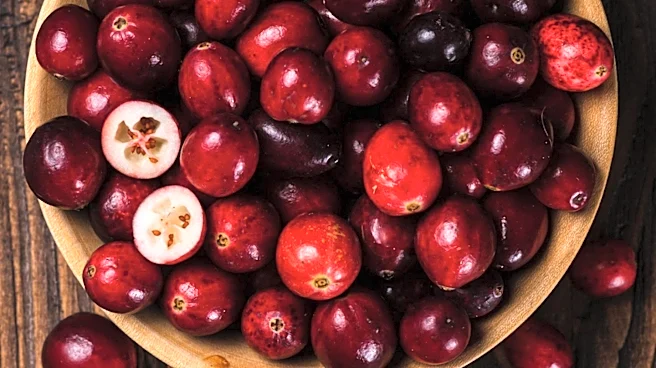
made with high-quality ingredients, without the use of toxic persistent pesticides, antibiotics, artificial growth hormones, or genetically modified organisms (GMOs). These yogurt drinks are crafted from organic milk sourced from pasture-raised cows and real organic fruit. The company aims to provide a nutritious and delicious snack option for children, ensuring that their products are good for consumers, the planet, and taste. This focus on organic certification means that the agricultural practices involved avoid synthetic pesticides on plants, contributing to sustainable farming.
Why It's Important?
The emphasis on organic certification and the absence of toxic persistent pesticides in products like Stonyfield Organic Kids Yogurt Drinks is significant for U.S. consumers and the food industry. For consumers, particularly parents, it offers a clear choice for products perceived as healthier and safer for their children, addressing concerns about chemical exposure in food. This trend can drive demand for organic products, influencing other food manufacturers to adopt similar practices or face competitive pressure. For the agricultural sector, it reinforces the economic viability of organic farming, which promotes sustainable practices, improved nutrient absorption in soil, and reduced nutrient runoff. This commitment also supports a broader movement towards environmentally friendly food production, potentially leading to policy discussions around agricultural subsidies and environmental regulations. The success of brands like Stonyfield Organic can serve as a model for how companies can align profitability with health and environmental stewardship.
What's Next?
The continued success and marketing of organic products like Stonyfield Organic Kids Yogurt Drinks are likely to further solidify the organic food market in the U.S. Consumers can expect to see more brands highlighting their organic certifications and pesticide-free claims as this becomes a stronger purchasing driver. This could lead to increased investment in organic farming methods and supply chains across the country. Regulatory bodies might also face pressure to enhance or clarify organic standards, ensuring transparency and preventing 'greenwashing.' Furthermore, the focus on 'zero grams added sugar' in these products suggests a broader industry trend towards healthier, less processed foods for children, which could influence dietary guidelines and public health campaigns. Businesses that fail to adapt to these evolving consumer preferences for organic and healthier options may see a decline in market share.
Beyond the Headlines
The movement towards organic products, exemplified by Stonyfield Organic, extends beyond mere food safety; it touches upon deeper ethical and environmental considerations. The rejection of toxic persistent pesticides speaks to a growing societal awareness of ecological impact and long-term health. This shift encourages a re-evaluation of conventional farming practices, prompting discussions about biodiversity, soil health, and the welfare of agricultural workers. The demand for organic products also highlights a consumer desire for transparency and traceability in the food supply chain, fostering a more conscious relationship between consumers and their food sources. Ultimately, the success of organic brands like Stonyfield Organic contributes to a cultural shift where food choices are increasingly viewed through the lens of sustainability, health, and ethical production, potentially influencing broader societal values and consumption patterns.